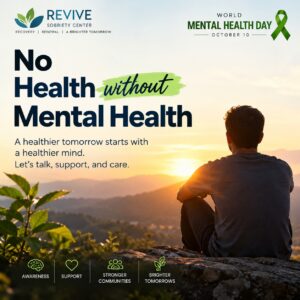
No Health Without Mental Health: Why Your Mind Matters
Research consistently shows that family involvement plays a vital role in addiction treatment outcomes. According to NIDA, supportive family relationships can improve treatment engagement, reduce relapse risk, and encourage long-term recovery. Similarly, UNODC emphasizes that addiction is a health condition requiring compassion, treatment, and ongoing support—not punishment or stigma.

Family Guide to Handling a Loved One with Addiction: Do’s and Don’ts
Research consistently shows that family involvement plays a vital role in addiction treatment outcomes. According to NIDA, supportive family relationships can improve treatment engagement, reduce relapse risk, and encourage long-term recovery. Similarly, UNODC emphasizes that addiction is a health condition requiring compassion, treatment, and ongoing support—not punishment or stigma.

How Families Can Prevent Relapse: A Practical Guide to Supporting Long-Term Recovery
Families can help prevent relapse by encouraging continued treatment, creating a drug-free home, recognising early warning signs, maintaining healthy communication, supporting aftercare, and avoiding behaviours.
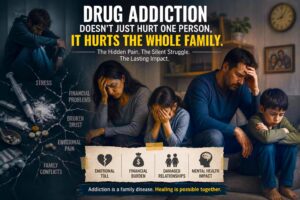
How Drug Addiction Affects Families: The Hidden Pain Behind Substance Abuse
When people think about drug addiction, they often focus on the individual battling substance use. However, addiction rarely affects just one person. It creates emotional, psychological, financial, and social challenges that ripple.

Avoid Enabling Behaviors: How Families Can Support Recovery Without Making Addiction Worse
Enabling behaviors are actions that protect a person from experiencing the consequences of their addiction. Although these actions are usually motivated by love and concern, they can unintentionally prolong substance use…….

Myths and Facts of Addiction: Separating Truth from Misconceptions
Every day, families delay seeking treatment because they believe addiction is simply a lack of willpower. Unfortunately, these myths often keep people from getting help until the addiction becomes far more severe. Addiction remains one of the most misunderstood health conditions worldwide.
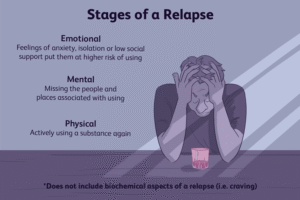
What Is Relapse? Understanding Why It Happens and How It Can Be Prevented
Relapse is a gradual process that begins with emotional and mental changes before a person returns to substance use. Recognizing the early warning signs and seeking help promptly can reduce the risk of a full relapse. It is the process of returning to unhealthy thoughts, emotions, behaviors, and/or substance use after a period of recovery.
What Is Recovery in Addiction? Understanding the Journey Beyond Sobriety
Recovery is much more than simply stopping the use of drugs or alcohol. It is an ongoing process of improving physical health, mental well-being, relationships, and overall quality of life after addiction. While sobriety is an important first step, true recovery involves learning to live a healthy, meaningful, and productive life without relying on substances.

My Husband Is Addicted to Heroin: What Should I Do?
Has your husband become distant, secretive, or financially irresponsible? Have you started finding excuses for his behaviour while quietly wondering whether heroin is involved? If so, you are not alone. Many families recognise the warning signs only after addiction has already taken hold.