
Assist. Prof.
Dr. Muhammad Shoaib Zafar
- Psychiatrist, Addiction Specialist
- M.B.B.S, M.D. (Psychiatry), B.Sc, Addiction Specialist
- 17 Years of Experience
Latest Blog Post
-
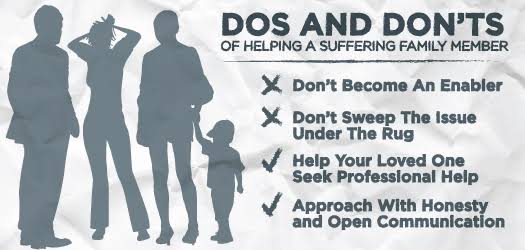 Family Guide to Handling a Loved One with Addiction: Do's and Don'ts15 Jul 2026 Mental Health
 -
 How Families Can Prevent Relapse: A Practical Guide to Supporting Long-Term Recovery15 Jul 2026 Mental Health
 -
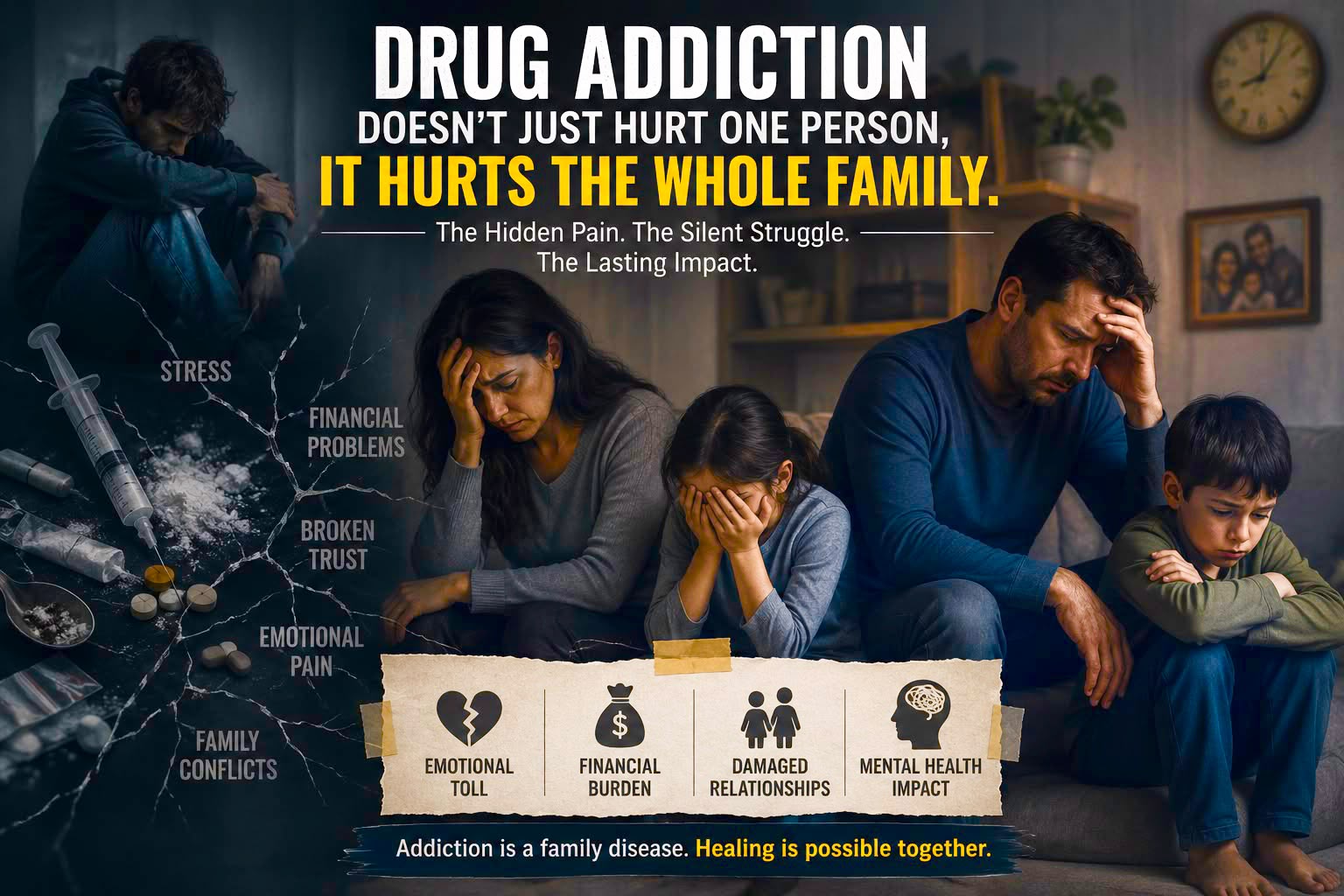 How Drug Addiction Affects Families: The Hidden Pain Behind Substance Abuse15 Jul 2026 Drug Addiction
 -
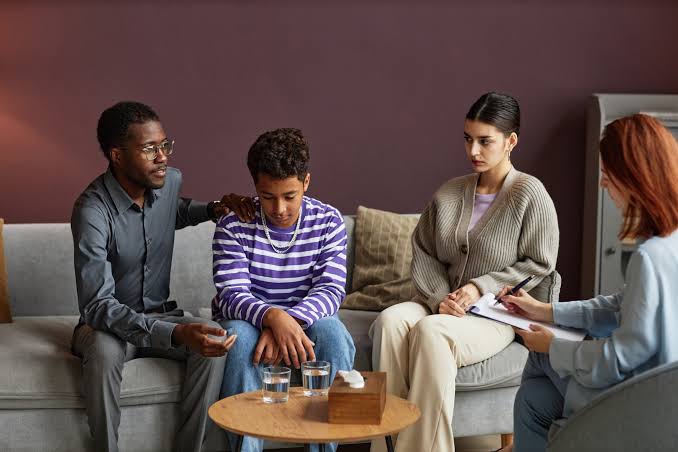 Avoid Enabling Behaviors: How Families Can Support Recovery Without Making Addiction Worse15 Jul 2026 Drug Addiction
 -
 Myths and Facts of Addiction: Separating Truth from Misconceptions22 Jun 2026 Drug Addiction
Home » My Husband Is Addicted to Heroin: What Should I Do?
My Husband Is Addicted to Heroin: What Should I Do?
- Written By Dr. Hamza Hafeez
- Date: 21-06-2026
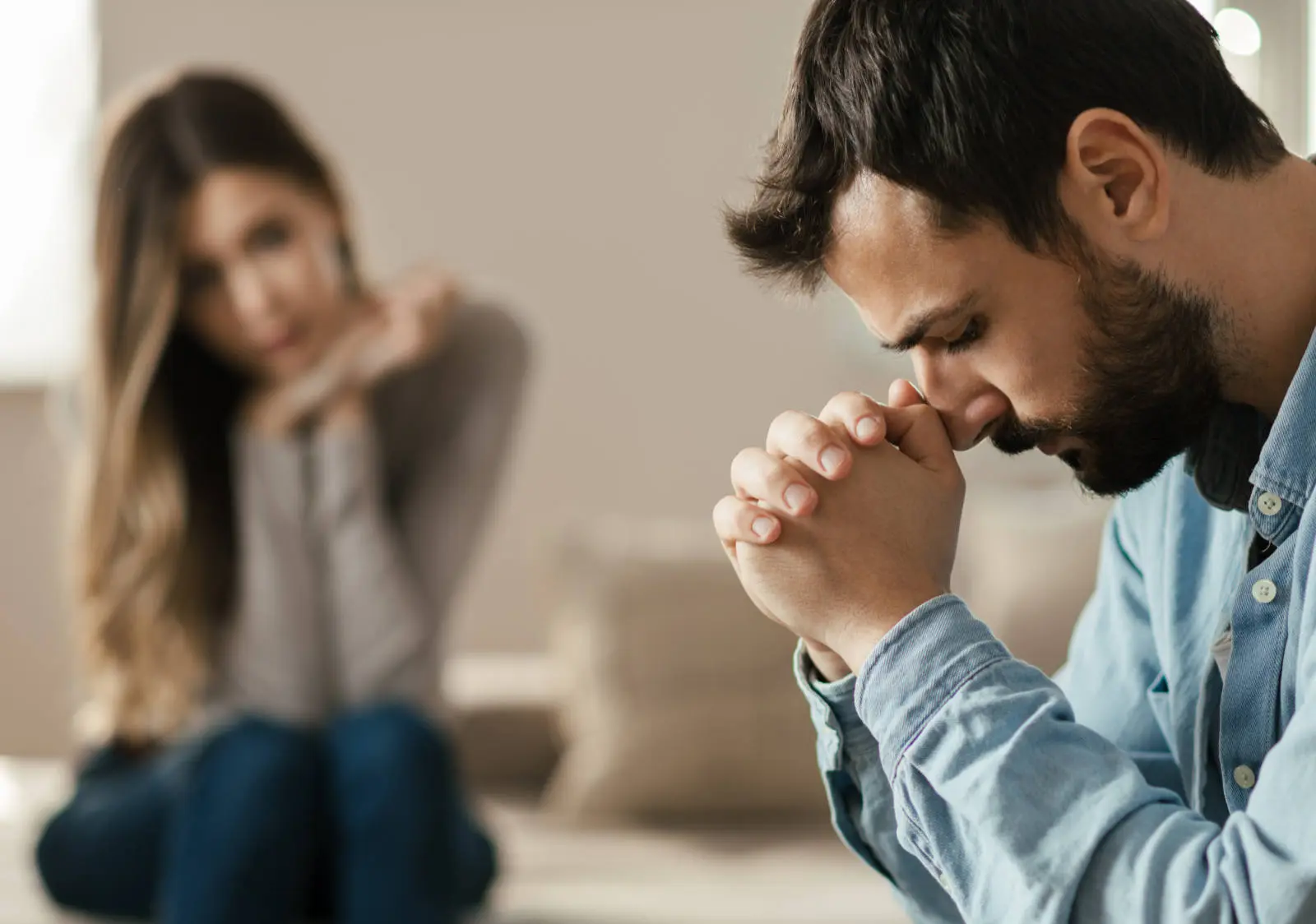
Learn how to recognize heroin addiction, support your husband safely, avoid common mistakes, and explore professional heroin addiction treatment options in Lahore.
What Should You Do If Your Husband Is Addicted to Heroin?
Has your husband become distant, secretive, or financially irresponsible? Have you started finding excuses for his behaviour while quietly wondering whether heroin is involved? If so, you are not alone. Many families recognise the warning signs only after addiction has already taken hold.
Discovering that your husband is addicted to heroin can leave you feeling frightened, angry, confused, and helpless. You may have noticed changes in his behavior, finances, work performance, or relationships long before learning the truth. While these emotions are completely understandable, it is important to know that heroin addiction is a serious medical condition—not simply a lack of willpower—and recovery is possible with the right treatment and family support.
Meaning In Urdu:
اگر آپ کو لگتا ہے کہ آپ کے شوہر ہیروئن کے عادی ہیں تو گھبرانے کے بجائے بروقت مدد حاصل کرنا بہت ضروری ہے۔ ہیروئن کی لت ایک سنگین مگر قابلِ علاج بیماری ہے، اور مناسب علاج، خاندانی تعاون، اور پیشہ ورانہ بحالی کے ذریعے صحت یابی ممکن ہے۔

Assist. Prof. Dr.
Muhammad Shoaib Zafar
- Psychiatrist, Addiction Specialist
- M.B.B.S, M.D.(Psychiatry), Addiction Specialist
- 17 Years of Experience
How Do You Know If Your Husband Is Addicted to Heroin?
Heroin alters the brain’s reward pathways, reducing impulse control and making drug-seeking behavior a priority over family, work, and personal responsibilities.
Some common warning signs include:
- Frequent drowsiness or “nodding off”
- Pinpoint pupils
- Sudden mood swings or irritability
- Secretive behavior and lying
- Missing money or unexplained financial problems
- Loss of interest in family responsibilities
- Poor hygiene and declining health
- Needle marks or drug paraphernalia
- Repeated promises to quit followed by relapse
If several of these signs are present, it is important to seek professional advice as early intervention often leads to better outcomes.
What Should You Avoid Doing?
Family members often act out of love but unintentionally make the situation worse. Avoid:
- Covering up your husband’s behavior
- Giving money without knowing how it will be used
- Making threats you cannot enforce
- Constantly arguing when he is under the influence
- Believing that love alone can overcome addiction
These responses may unintentionally enable the addiction instead of encouraging recovery.
How Can You Help Your Husband?
Support begins with calm, honest communication. Choose a time when he is sober and express your concerns using compassionate language rather than blame.
You can say:
“I’m worried about your health and our family’s future. I want to help you get the treatment you deserve.”
Encourage him to speak with addiction professionals who can assess his condition and recommend the most appropriate treatment plan.
Why Professional Treatment Matters
Heroin addiction is more than a physical dependence on a drug. It changes the brain’s reward system, making it extremely difficult to stop using heroin through willpower alone. Withdrawal symptoms—including severe cravings, muscle aches, anxiety, nausea, insomnia, and restlessness—often lead people back to heroin within days of trying to quit without professional support.
Effective heroin addiction treatment follows several important stages, each designed to help individuals build a strong foundation for lasting recovery.
1. Comprehensive Assessment: Understanding the Root Causes
Treatment begins with a thorough assessment by addiction professionals. This includes evaluating the person’s physical health, mental health, history of drug use, previous treatment attempts, family circumstances, and any co-occurring conditions such as depression or anxiety. The assessment helps create an individualized treatment plan rather than a one-size-fits-all approach.
2. Safe Detoxification
Detox is the first step in recovery and focuses on helping the body safely eliminate heroin. During this period, medical professionals monitor withdrawal symptoms, provide supportive care, and help manage discomfort. While detox alone does not treat addiction, it prepares patients for the next stages of rehabilitation.
3. Inpatient Rehabilitation
For many individuals with heroin addiction, inpatient rehabilitation offers the best opportunity for recovery. Living in a structured, drug-free environment removes access to substances while allowing patients to focus entirely on healing. Daily routines typically include counseling, therapy, educational sessions, healthy activities, and medical supervision.
4. Individual and Group Counseling
Counseling helps patients understand the emotional, psychological, and behavioral factors contributing to addiction. Individual therapy focuses on personal challenges, while group therapy provides encouragement, accountability, and support from others facing similar struggles. Together, these approaches help individuals develop healthier coping skills and improve decision-making.
5. Family Therapy: Rebuilding Trust Together
Addiction affects the entire family, not just the person using drugs. Family therapy helps rebuild trust, improve communication, establish healthy boundaries, and educate loved ones about addiction and recovery. When families participate in treatment, patients often experience stronger support and better long-term outcomes.
6. Relapse Prevention
Recovery continues long after detox is complete. Patients learn to recognize personal triggers, manage cravings, avoid high-risk situations, and develop practical strategies for maintaining sobriety. A personalized relapse prevention plan gives individuals the confidence to handle everyday challenges without returning to heroin.
7. Aftercare and Long-Term Support
Successful recovery is an ongoing process rather than a single event. After completing rehabilitation, many people benefit from continuing care through outpatient counseling, recovery support groups, regular follow-up appointments, and family involvement. These services help reinforce healthy habits, identify early warning signs of relapse, and provide encouragement during the transition back to daily life.
Professional rehabilitation addresses both the physical dependence and the underlying emotional and psychological causes of heroin addiction. By combining medical care, evidence-based therapy, family involvement, and long-term aftercare, individuals have a much greater chance of achieving lasting recovery and rebuilding healthy, fulfilling lives.
8. Can Your Marriage Recover?
Many families believe addiction has permanently destroyed their relationship. Fortunately, countless marriages have recovered when treatment begins early and both partners commit to the recovery process.
Rebuilding trust takes time, consistency, and professional guidance. Family therapy helps improve communication, establish healthy boundaries, and support long-term sobriety.
Recovery is not just about stopping heroin—it is about restoring health, relationships, and hope.
Frequently Asked Questions:
1. Can someone recover from heroin addiction?
Yes. With evidence-based treatment, counseling, relapse prevention, and ongoing support, many people achieve lasting recovery.
2. Should I force my husband into rehab?
Open communication and professional intervention are generally more effective than confrontation. If there is an immediate risk of overdose or harm, seek emergency medical assistance without delay.
3. Can my husband quit heroin without going to rehab?
Some people attempt to quit heroin on their own, but withdrawal symptoms and intense cravings make relapse very common. Professional rehabilitation provides medical supervision, counseling, and relapse prevention strategies that greatly improve the chances of long-term recovery.
4. How long does heroin withdrawal last?
Withdrawal symptoms usually begin within 6–12 hours after the last dose, peak within 2–3 days, and gradually improve over 5–10 days. However, cravings and emotional symptoms may continue for weeks or months, making ongoing treatment and support essential.
5. Is heroin addiction a disease or a choice?
Medical experts recognize heroin addiction as a chronic brain disorder that affects decision-making, self-control, and behavior. While the initial decision to use drugs may be voluntary, addiction changes brain function and often requires professional treatment for recovery.
6. Can heroin addiction be cured permanently?
There is no instant cure for heroin addiction, but many people achieve lifelong recovery through evidence-based treatment, counseling, healthy lifestyle changes, and ongoing support. Recovery is a long-term process that becomes stronger with continued commitment.
7. How can I protect my children if my husband is addicted?
Ensure your children are in a safe environment, avoid exposing them to drug use or conflict, and seek professional guidance if necessary. Honest, age-appropriate conversations and emotional support can help reduce the impact of addiction on children.
8. Should I give my husband money if he says he needs help?
It is generally better to avoid giving cash if there is a risk it could be used to buy drugs. Instead, offer practical support such as arranging medical appointments, providing transportation, or helping him access professional treatment.
9. What if my husband refuses to get help?
Remain calm, set healthy boundaries, and continue encouraging treatment without enabling the addiction. If his behavior places himself or others in immediate danger, seek emergency medical assistance or advice from addiction professionals.
10. Can heroin addiction affect mental health?
Yes. Heroin addiction is often linked with depression, anxiety, trauma, and other mental health conditions. Effective treatment should address both substance use and any co-occurring mental health disorders.
11. How long does heroin recovery take?
Recovery is different for everyone. Detox may take about a week, while rehabilitation can last several weeks to months. Maintaining sobriety is an ongoing journey supported by counseling, family involvement, and relapse prevention strategies.
12. When should I contact a rehabilitation center?
You should seek professional help as soon as you notice signs of heroin addiction, repeated failed attempts to quit, overdose risk, severe withdrawal symptoms, or significant effects on family life, work, or health. Early intervention often leads to better recovery outcomes.
13. Is relapse a sign that treatment failed?
No. Relapse can occur in many chronic health conditions. It often indicates that the treatment plan needs adjustment and additional support rather than being a failure.
Compassionate Help for Families in Lahore
If your husband is struggling with heroin addiction, you do not have to face it alone. Early treatment can prevent further harm and offer a realistic path toward recovery. Seeking professional help today may be the first step toward rebuilding your husband’s health, protecting your family, and creating a safer future together.
Every day that treatment is delayed, addiction can become more difficult to overcome. Reaching out today could be the first step toward restoring your husband’s health, rebuilding your family’s trust, and creating a future free from heroin.
 Revive Sobriety Center – Addiction Recovery, Detoxification & Rehabilitation (Lahore)
 127 Google reviewsPosted on Google
 safa ijaz25. August, 2026Great experience.Posted on Google
 hira ijaz23. August, 2026Had a wonderful time at the “Meet Yourself”workshop today facilitated by the very multitalented Hamza, from Ables Mind cafe along with one of the incredible doctors in Lahore Dr Ejaz Hussain at Revive Sobriety Centre Lahore. Such a therapeutic & creative experience it was to get to know our actual emotions in a serene environment, along with likeminded people. ❤️❤️❤️Posted on Google
 Dr Ejaz23. August, 2026Got chance to moderate a workshop on "Meet yourself" at revive sobriety centre with Hamza Khan sherwani, today it was wonderful experience..Posted on Google
 Shazil Saleem23. August, 2026My first-time experience was excellent, and I felt very good mentally.Posted on Google
 Waseem Ali23. August, 2026Highly RecommendedPosted on Google
 Ghazala Malik23. August, 2026Happened to attend a workshop by Enable mind cafe and it came out to be a good learning event. Started with activities and ended with a delicious coffee by Hamza made specially for the attendies and a token plant by Revive. Loved the workshop. Thank you Dr.Ijaz, Hamza and team.