Latest Blog Post
-
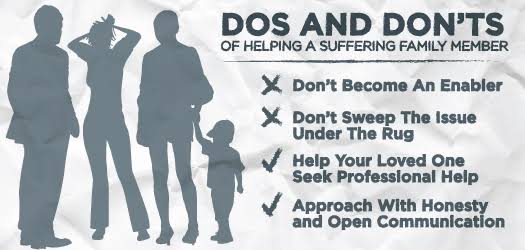 Family Guide to Handling a Loved One with Addiction: Do's and Don'ts15 Jul 2026 Mental Health
 -
 How Families Can Prevent Relapse: A Practical Guide to Supporting Long-Term Recovery15 Jul 2026 Mental Health
 -
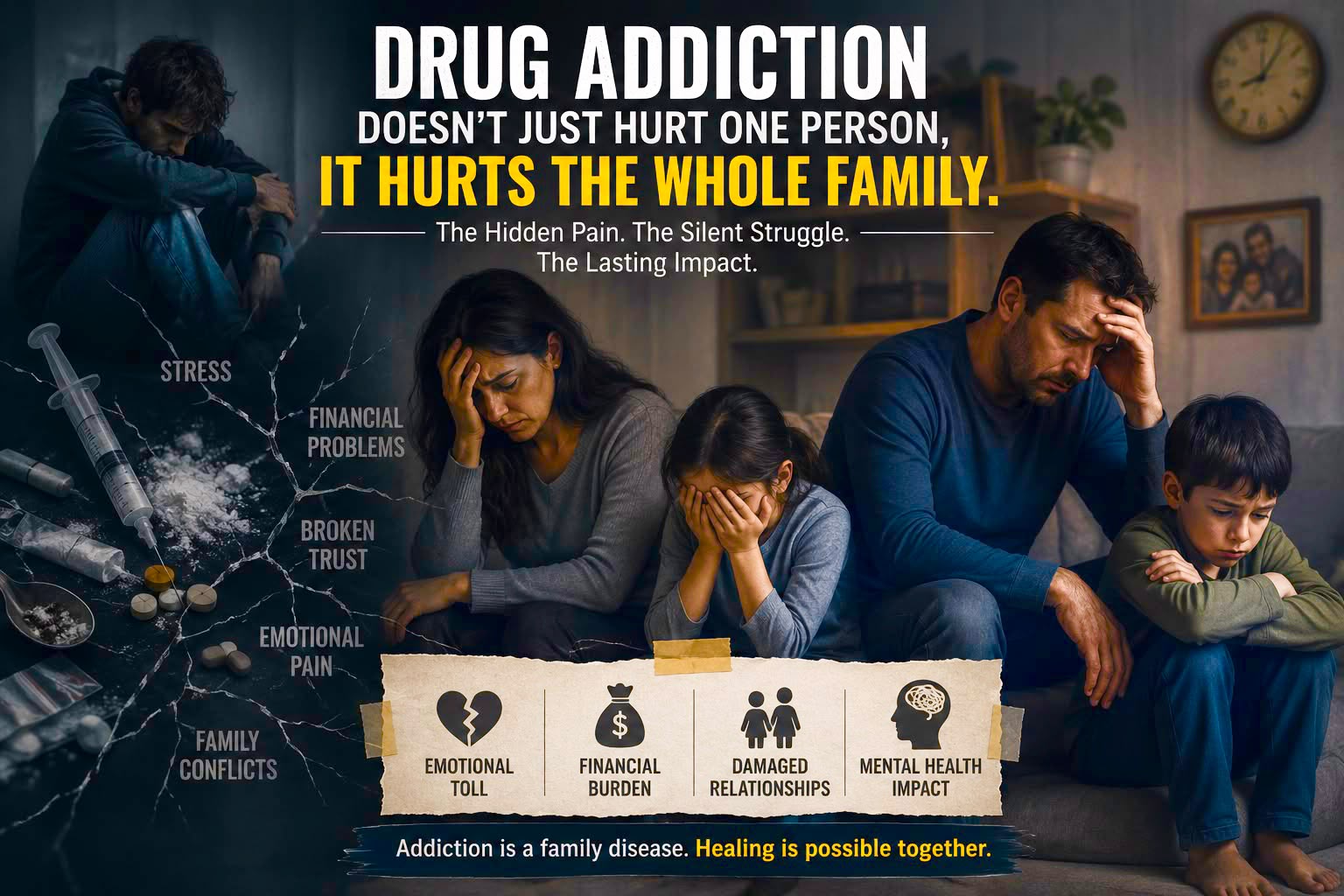 How Drug Addiction Affects Families: The Hidden Pain Behind Substance Abuse15 Jul 2026 Drug Addiction
 -
 Avoid Enabling Behaviors: How Families Can Support Recovery Without Making Addiction Worse15 Jul 2026 Drug Addiction
 -
 Myths and Facts of Addiction: Separating Truth from Misconceptions22 Jun 2026 Drug Addiction

Ms. Shanzey Nadeem
- Child Psychologist, Clinical Psychologist
- B.S(Hon), MS(Clinical Psychology)
- 2 Years of Experience
Home » What Is Relapse? Understanding Why It Happens and How It Can Be Prevented
What Is Relapse? Understanding Why It Happens and How It Can Be Prevented
- Written By Ms. Shanzay Nadeem
- Date: 21-06-2026
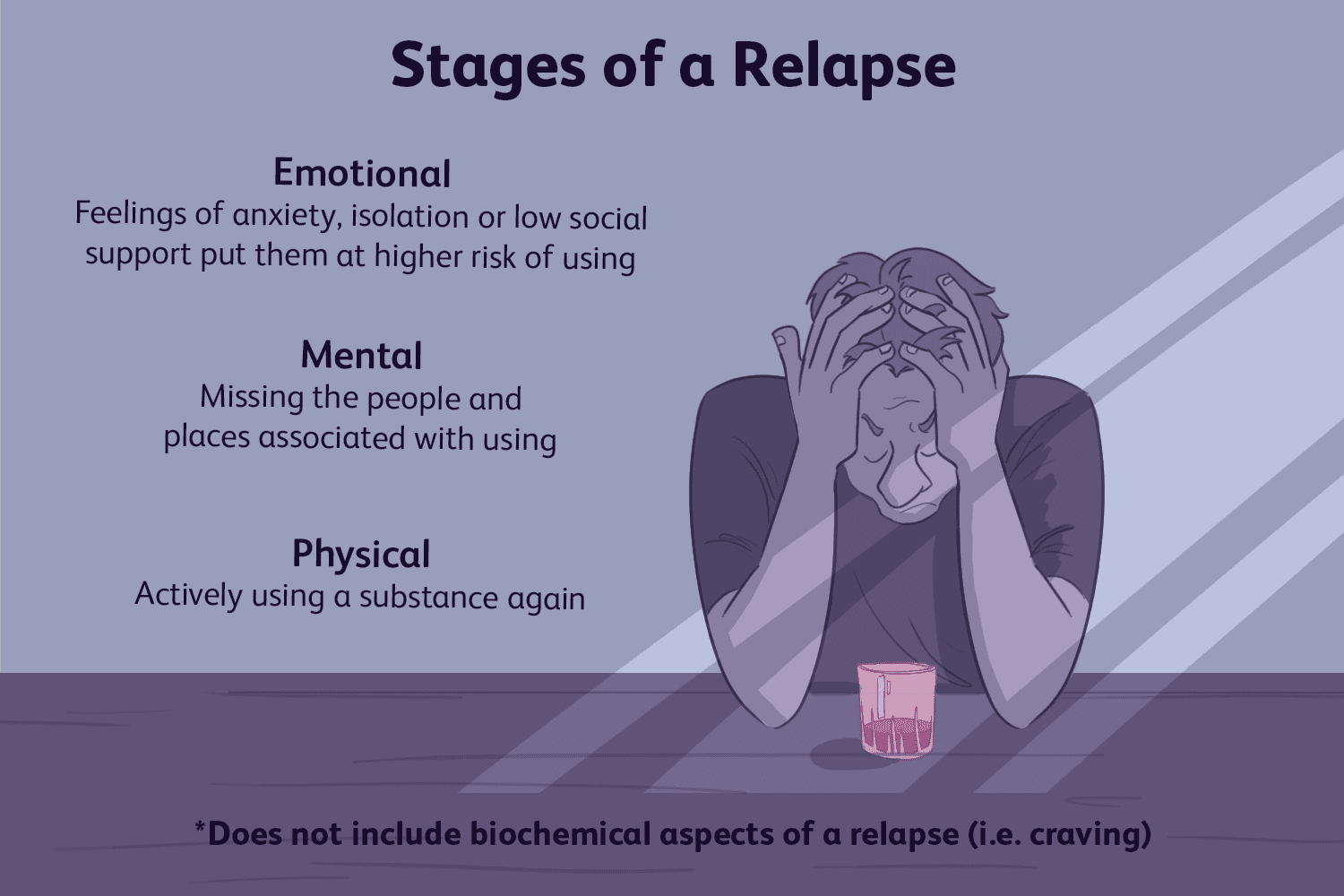
Learn what relapse is, why it happens, the early warning signs, and how professional addiction treatment in Lahore can help prevent relapse and support long-term recovery.
What Is Relapse?
Relapse is a gradual process that begins with emotional and mental changes before a person returns to substance use. Recognizing the early warning signs and seeking help promptly can reduce the risk of a full relapse.
It is the process of returning to unhealthy thoughts, emotions, behaviors, and/or substance use after a period of recovery. Although many people think relapse only means using drugs or alcohol again, addiction specialists recognize that it often begins much earlier with emotional and mental changes. Identifying these early warning signs can help prevent a return to substance use.
Many people mistakenly believe that relapse means treatment has failed, but addiction specialists recognize relapse as a common challenge in the recovery journey. Like other chronic health conditions, addiction may involve setbacks that require adjustments to treatment and continued support.
According to the National Institute on Drug Abuse (NIDA), addiction is a chronic but treatable disease that affects the brain and behavior. Recovery is an ongoing process, and while relapse can occur, it is not inevitable. With the right treatment and relapse prevention strategies, many individuals achieve lasting recovery.
Meaning In Urdu:
ریلیپس (Relapse) صرف دوبارہ نشہ شروع کرنے کا نام نہیں، بلکہ یہ ایک بتدریج عمل ہے جو پہلے جذباتی اور ذہنی تبدیلیوں سے شروع ہوتا ہے۔ ابتدائی علامات کو بروقت پہچان کر مناسب علاج اور مسلسل مدد حاصل کی جائے تو دوبارہ نشے کی طرف جانے کے خطرے کو کافی حد تک کم کیا جا سکتا ہے۔
Ms. Shanzey Nadeem
- Child Psychologist, Clinical Psychologist
- B.S(Hon), MS(Clinical Psychology)
- 2 Years of Experience
Why Does Relapse Happen?
Relapse rarely occurs suddenly. It usually develops gradually due to a combination of emotional, psychological, social, and environmental factors.
Modern addiction medicine describes relapse as a process, not a single event. The return to drug or alcohol use is the final stage of relapse, but relapse often begins much earlier with emotional and mental changes.
Why Early Recognition Matters
Families often believe relapse happens the moment someone uses drugs again. In reality, recognizing emotional and mental relapse early provides an opportunity to intervene before substance use resumes.
Common relapse triggers include:
- Stress and anxiety
- Depression or loneliness
- Family or relationship conflicts
- Returning to old friends who use drugs
- Visiting places associated with substance use
- Overconfidence after a period of sobriety
- Stopping counseling or support meetings too early
Recognizing these triggers allows individuals to take action before a lapse becomes a full relapse.
The Three Stages of Relapse
Recovery experts often describe relapse as occurring in three stages:
1. Emotional Relapse
The person is not thinking about using drugs but may neglect self-care, isolate themselves, suppress emotions, or experience increased stress.
2. Mental Relapse
Conflicting thoughts begin to develop. The individual may start romanticizing past drug use, bargaining with themselves, or thinking about using “just once.”
3. Physical Relapse
The individual returns to using alcohol or drugs. Early intervention during the emotional or mental stages can often prevent this stage.
How Can Relapse Be Prevented?
The United Nations Office on Drugs and Crime (UNODC) recommends long-term, evidence-based treatment that includes relapse prevention planning, counseling, family involvement, and ongoing recovery support.
Effective relapse prevention strategies include:
- Identifying personal triggers
- Following a structured daily routine
- Attending counseling and support groups
- Managing stress through exercise and mindfulness
- Building healthy relationships
- Continuing follow-up care after rehabilitation
- Asking for help at the first warning signs
Professional addiction treatment in Lahore can help individuals develop these skills while providing continued medical and psychological support.
Is Relapse a Failure?
No. Relapse does not mean that recovery has failed or that a person cannot achieve long-term sobriety. Instead, it signals that the treatment plan may need to be reviewed and strengthened. Many people who achieve lasting recovery have experienced one or more relapses before maintaining long-term abstinence.
The important thing is to seek help immediately rather than allowing a lapse to become a prolonged return to substance use.
Frequently Asked Questions:
1. What is the difference between a lapse and a relapse?
A lapse is a brief or isolated return to substance use, while a relapse is a return to regular or problematic drug or alcohol use. Seeking help immediately after a lapse can often prevent a full relapse.
2. What are the first warning signs of relapse?
Common warning signs include increased stress, mood changes, isolation, skipping counseling sessions, cravings, poor sleep, and reconnecting with people or places associated with previous substance use.
3. Can relapse be prevented?
Although relapse cannot always be completely prevented, evidence-based treatment, counseling, relapse prevention planning, family support, and healthy lifestyle habits can significantly reduce the risk.
4. How should families respond if someone relapses?
Families should remain calm, avoid blame or punishment, and encourage the individual to seek professional help immediately. Early intervention often prevents a temporary setback from becoming a prolonged relapse.
5. When should someone seek professional help?
Professional help should be sought as soon as warning signs of relapse appear or if a lapse occurs. Early treatment can help individuals regain control, strengthen coping skills, and continue their recovery journey.
6. Can someone recover after a relapse?
Yes. A relapse does not mean recovery has failed. Many people regain sobriety by seeking help promptly, reviewing their treatment plan, and strengthening relapse prevention strategies.
References
- National Institute on Drug Abuse (NIDA). Drugs, Brains, and Behavior: The Science of Addiction.
- National Institute on Drug Abuse (NIDA). Principles of Drug Addiction Treatment: A Research-Based Guide.
- United Nations Office on Drugs and Crime (UNODC) & World Health Organization (WHO). International Standards for the Treatment of Drug Use Disorders.
 Revive Sobriety Center – Addiction Recovery, Detoxification & Rehabilitation (Lahore)
 132 Google reviewsPosted on Google
 Arslan Ahmad9. October, 2026Revive Sobriety Center is a place that offers hope, support, and a fresh start to people struggling with addiction. The staff deserves appreciation for their dedication, care, and efforts to help individuals work toward recovery and rebuild their lives. A supportive and understanding environment can make a real difference during such a challenging journey. I highly appreciate the important work they do and would recommend Revive Sobriety Center to anyone looking for support on the road to recovery. Wishing the entire team continued success in helping people build healthier, happier lives.Posted on Google
 Hafiza Uswah9. October, 2026Revive Sobriety Centre is a highly recommended centre for addiction treatment especially for ice and other drugs. Dr Ejaz, Dr Shoaib and Dr Shanzey are appreciated for their professional guidance and support. If you are looking for an addiction treatment centre for ice and other drugs Revive Sobriety Centre is worth considering.Posted on Google
 Maryam Shabbir9. October, 2026Revive Sobriety Center is a great place for addiction treatment, especially for ICE and other drugs. Dr. Shoaib Zafar, Dr. Ejaz Hussain, and Shanzay (Clinical Psychologist) are doing a great job helping people on their recovery journey. Highly recommended for anyone looking for professional support and care!Posted on Google
 Eman Fatima Psychology9. October, 2026Revive sobitey center is best for addiction treatment center for ice and other drugs Dr.shoaib,Dr Ejaz Hussain and Shanzey Clinical psychologistPosted on Google
 Malaika Rajput9. October, 2026Revive sobriety centre is best ice,addiction and other drugs treatment centre dr Shoaib zafar is the head of this centre Dr Ejaz Hussain he’s the best instructor and Ms shanzay shes very professional and passionate psychologistPosted on Google
 safa ijaz25. August, 2026Great experience.Posted on Google
 hira ijaz23. August, 2026Had a wonderful time at the “Meet Yourself”workshop today facilitated by the very multitalented Hamza, from Ables Mind cafe along with one of the incredible doctors in Lahore Dr Ejaz Hussain at Revive Sobriety Centre Lahore. Such a therapeutic & creative experience it was to get to know our actual emotions in a serene environment, along with likeminded people. ❤️❤️❤️