
Assist. Prof.
Dr. Muhammad Shoaib Zafar
- Psychiatrist, Addiction Specialist
- M.B.B.S, M.D. (Psychiatry), B.Sc, Addiction Specialist
- 17 Years of Experience
Latest Blog Post
-
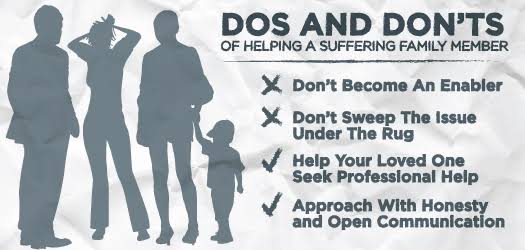 Family Guide to Handling a Loved One with Addiction: Do's and Don'ts15 Jul 2026 Mental Health
 -
 How Families Can Prevent Relapse: A Practical Guide to Supporting Long-Term Recovery15 Jul 2026 Mental Health
 -
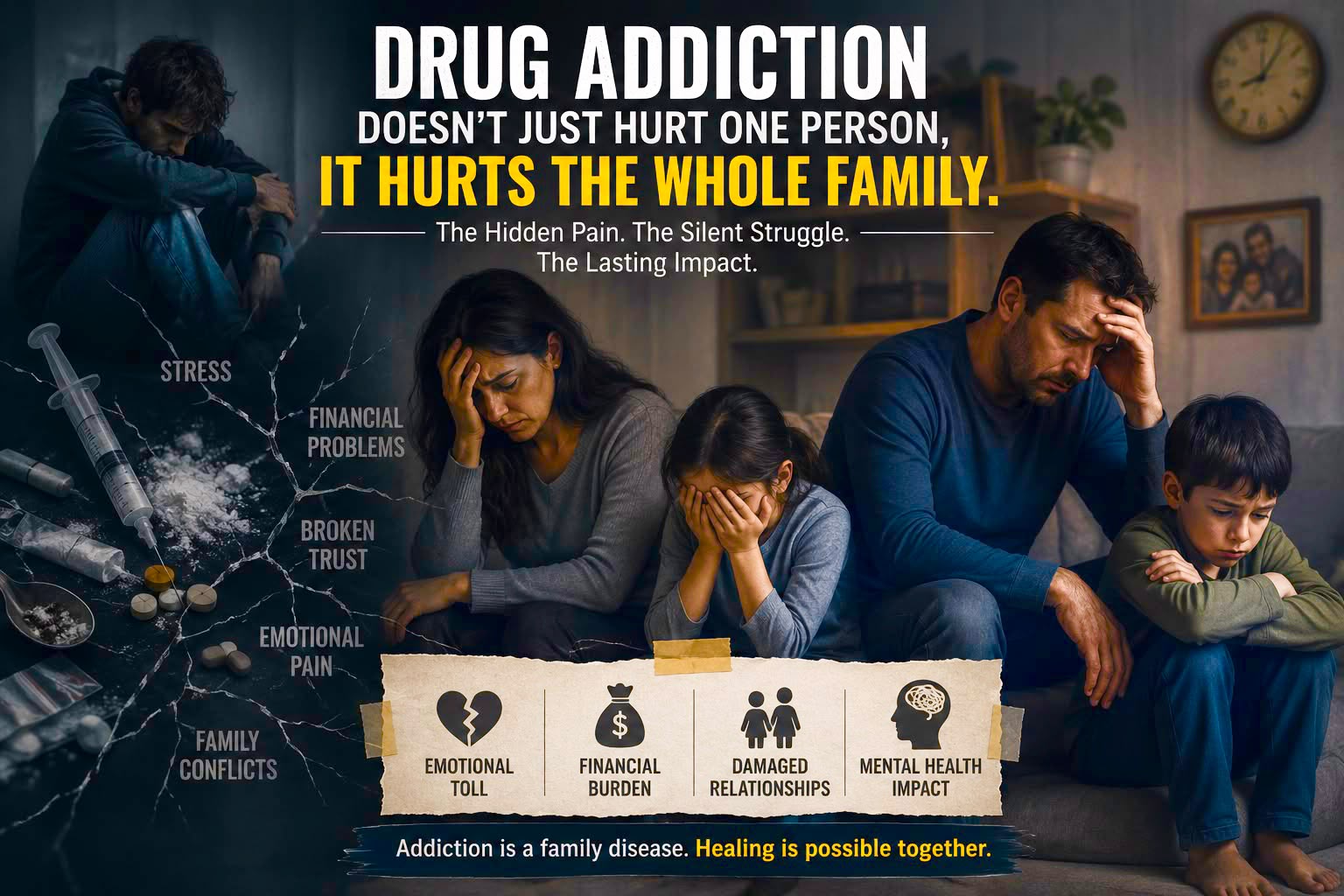 How Drug Addiction Affects Families: The Hidden Pain Behind Substance Abuse15 Jul 2026 Drug Addiction
 -
 Avoid Enabling Behaviors: How Families Can Support Recovery Without Making Addiction Worse15 Jul 2026 Drug Addiction
 -
 Myths and Facts of Addiction: Separating Truth from Misconceptions22 Jun 2026 Drug Addiction
Home » How Drug Addiction Affects Families: The Hidden Pain Behind Substance Abuse
How Drug Addiction Affects Families: The Hidden Pain Behind Substance Abuse
- Written By Hira Ijaz
- Date: 15-07-2026
When people think about drug addiction, they often focus on the individual battling substance use. However, addiction rarely affects just one person. It creates emotional, psychological, financial, and social challenges that ripple through the entire family. Parents lose sleep worrying about their children. Spouses struggle with broken trust and uncertainty. Children grow up carrying emotional burdens they should never have to bear. Siblings often feel neglected or overwhelmed. Addiction is not simply an individual’s illness, it is a family crisis.
How drug addiction affects families is an important step towards breaking stigma and encouraging recovery for everyone involved.
Meaning In Urdu:
منشیات کی لت صرف متاثرہ فرد کو ہی نہیں بلکہ پورے خاندان کو جذباتی، ذہنی، مالی اور سماجی مشکلات میں مبتلا کر دیتی ہے۔ والدین، شریکِ حیات، بچوں اور بہن بھائیوں کو مسلسل پریشانی، عدم اعتماد اور جذباتی دباؤ کا سامنا کرنا پڑ سکتا ہے۔ اس لیے نشے کی لت کو صرف فرد کی بیماری نہیں بلکہ پورے خاندان کا بحران سمجھنا ضروری ہے۔ خاندان پر اس کے اثرات کو سمجھنا بدنامی کم کرنے اور سب کی بحالی کی طرف اہم قدم ہے۔

Assist. Prof. Dr.
Muhammad Shoaib Zafar
- Psychiatrist, Addiction Specialist
- M.B.B.S, M.D.(Psychiatry), Addiction Specialist
- 17 Years of Experience
Why Is Addiction Called a Family Disease?
Addiction changes the way families communicate, solve problems, and relate to one another. As substance use progresses, family life often becomes centred around managing the addiction rather than enjoying healthy relationships.
Many families experience constant stress and anxiety, unpredictable behaviour at home, frequent arguments and conflict, loss of trust, emotional exhaustion as well as social isolation.
Over time, family members may unknowingly adjust their lives around the addiction, often sacrificing their own mental and emotional wellbeing.
One of the greatest emotional consequences of addiction is the pain experienced by loved ones. Family members often live with questions that have no easy answers such as:
- Will they come home safely tonight?
- Will this be the overdose that changes everything?
- How long can we keep living like this?
The uncertainty creates chronic stress, which can lead to anxiety disorders, depression, sleep problems, and even physical health issues.
Many relatives also experience grief because addiction has changed the person they once knew. The parents carry an invisible burden, watching a son or daughter struggle with addiction is one of the most heartbreaking experiences a parent can face. Parents frequently blame themselves, asking whether they missed warning signs or somehow caused the problem.
In reality, addiction develops through a complex interaction of genetics, mental health, trauma, environment, and social influences. Parents may experience persistent guilt, fear of overdose, financial strain from repeated crises, emotional burnout as well as depression and anxiety.
Despite their best efforts, many parents feel powerless as they watch addiction take control of someone they deeply love.
Substance abuse often damages the foundation of intimate relationships also. Promises are broken, trust erodes, financial problems increase, and communication becomes defensive or hostile. Partners may spend years trying to help while neglecting their own emotional needs.
Common relationship challenges include; dishonesty, emotional distance, frequent conflict, domestic instability and fear of relapse.
Without professional support, these patterns can become increasingly difficult to break.
What Do Leading Health Organisations Say About Addiction and Families?
Leading health organisations around the world recognise that addiction is not simply an individual’s struggle but a condition that affects entire families and communities. The National Institute on Drug Abuse (NIDA) describes addiction as a chronic but treatable brain disorder that changes how people think, make decisions, and control their behaviour. Because addiction affects relationships as well as physical and mental health, NIDA emphasises that involving family members in treatment can improve recovery outcomes and reduce the risk of relapse.
Similarly, the Substance Abuse and Mental Health Services Administration (SAMHSA) encourages a family-centred approach to addiction treatment. According to SAMHSA, educating families about addiction, improving communication, and establishing healthy boundaries can strengthen long-term recovery while reducing stress and conflict within the home.
The World Health Organization (WHO) identifies substance use disorders as a major global public health concern that affects not only individuals but also their families, workplaces, and communities. WHO highlights that early identification, evidence-based treatment, and ongoing psychosocial support are essential for improving health outcomes and restoring family well-being.
The United Nations Office on Drugs and Crime (UNODC) also recognises that substance use can have profound social and economic consequences, including family breakdown, financial hardship, child neglect, and reduced quality of life. UNODC recommends accessible treatment services and family involvement as key components of comprehensive addiction care.
The American Society of Addiction Medicine (ASAM) reinforces that addiction is a medical disease rather than a moral failing. Recovery requires evidence-based treatment, compassion, accountability, and sustained support from healthcare professionals and loved ones.
These recommendations share a common message: families should not face addiction alone. Seeking professional help early, participating in treatment where appropriate, and accessing reliable support services can improve outcomes for both the individual experiencing addiction and the family members affected by it.
References
- National Institute on Drug Abuse (NIDA). Drugs, Brains, and Behavior: The Science of Addiction.
- Substance Abuse and Mental Health Services Administration (SAMHSA). Treatment Improvement Protocol (TIP): Family Therapy.
- World Health Organization (WHO). Mental Health and Substance Use.
- United Nations Office on Drugs and Crime (UNODC). World Drug Report.
- American Society of Addiction Medicine (ASAM). Definition of Addiction.
How Drug Addiction Affects Children, Finances, Relationships, and Family Recovery
Children are among the most vulnerable members of families affected by addiction. Even when parents try to shield them, children often sense tension, unpredictability, and fear. Growing up in an environment affected by substance abuse may increase the risk of anxiety, depression, behavioural difficulties, poor academic performance low self-esteem and future substance use problems.
Some children become “parentified” taking on adult responsibilities long before they are emotionally ready. Early intervention and family support can significantly reduce these long-term effects.
If we talk about the financial cost of drug addiction, the consequences of addiction extend well beyond purchasing drugs. Families may struggle with, loss of employment, reduced household income, medical expenses, rehabilitation costs, legal fees, debt and financial insecurity. Money problems often increase household tension, creating additional barriers to recovery. One of the most painful effects of addiction is the gradual breakdown of trust. Broken trust takes time to heal.
To maintain substance use, individuals may hide information, make promises they cannot keep, or lie about their behaviour. While these actions are symptoms of addiction rather than evidence of a lack of love, they deeply affect relationships.
Recovery is not only about stopping drug use, but it also involves rebuilding honesty, accountability, and trust over time.
The stigma keeps families silent. Many families avoid discussing addiction because they fear judgement from relatives, friends, or their community. Unfortunately, this silence often delays treatment. Addiction is a recognised medical condition, not a moral failing or lack of willpower. Seeking professional help demonstrates strength, not weakness.
When communities replace judgement with compassion, more families are willing to reach out for support. Family therapy plays a vital role in recovery, successful addiction treatment often includes the entire family. Family therapy helps loved ones understand addiction while improving communication and rebuilding healthier relationships.
Benefits of family therapy include:
- Better communication
- Healthier boundaries
- Reduced conflict
- Education about addiction
- Improved coping skills
- Stronger long-term recovery outcomes
Healing together allows families to move beyond blame and begin rebuilding trust. Although addiction can deeply affect families, recovery is always possible. Every day, families rebuild relationships through treatment, counselling, support groups, and consistent recovery efforts. Healing takes patience. Trust returns gradually. Emotional wounds require time and understanding. But recovery can restore hope, strengthen relationships, and create healthier futures for everyone involved. No family has to face addiction alone.
Understanding how drug addiction affects families reminds us that addiction is far more than an individual’s struggle. It impacts relationships, mental health, finances, and the emotional well-being of everyone involved.
If someone you love is struggling with substance use, seeking professional help early can make a life-changing difference. Treatment not only supports the person experiencing addiction but also provides families with the tools they need to heal, communicate, and move forward together.
Recovery is possible and every family deserves the opportunity to find hope again.
Frequently Asked Questions:
1. Can addiction affect the mental health of family members?
Yes. Family members often experience anxiety, depression, chronic stress, sleep problems, and emotional exhaustion while coping with a loved one’s addiction.
2. Should families participate in addiction treatment?
Whenever appropriate, family involvement can improve communication, strengthen relationships, and support long-term recovery through education and therapy.
3. Can trust be rebuilt after addiction?
Yes. Rebuilding trust takes time, honesty, accountability, and consistent recovery. Family counselling can help repair damaged relationships.
4. What should I do if a loved one refuses treatment?
Continue offering support while maintaining healthy boundaries. Avoid enabling behaviours, encourage professional help, and seek guidance from an addiction specialist or family support group for yourself.
Compassionate Help for Families in Lahore
At Revive Sobriety Center, we provide confidential, evidence-based treatment for addiction, including assessment, detoxification, residential rehabilitation, counselling, family therapy, relapse prevention, and long-term aftercare.
Every day treatment is delayed, addiction can become more deeply rooted. Reaching out today could be the first step toward restoring your daughter’s health, rebuilding your family’s trust, and creating a future free from addiction.
 Revive Sobriety Center – Addiction Recovery, Detoxification & Rehabilitation (Lahore)
 132 Google reviewsPosted on Google
 Arslan Ahmad9. October, 2026Revive Sobriety Center is a place that offers hope, support, and a fresh start to people struggling with addiction. The staff deserves appreciation for their dedication, care, and efforts to help individuals work toward recovery and rebuild their lives. A supportive and understanding environment can make a real difference during such a challenging journey. I highly appreciate the important work they do and would recommend Revive Sobriety Center to anyone looking for support on the road to recovery. Wishing the entire team continued success in helping people build healthier, happier lives.Posted on Google
 Hafiza Uswah9. October, 2026Revive Sobriety Centre is a highly recommended centre for addiction treatment especially for ice and other drugs. Dr Ejaz, Dr Shoaib and Dr Shanzey are appreciated for their professional guidance and support. If you are looking for an addiction treatment centre for ice and other drugs Revive Sobriety Centre is worth considering.Posted on Google
 Maryam Shabbir9. October, 2026Revive Sobriety Center is a great place for addiction treatment, especially for ICE and other drugs. Dr. Shoaib Zafar, Dr. Ejaz Hussain, and Shanzay (Clinical Psychologist) are doing a great job helping people on their recovery journey. Highly recommended for anyone looking for professional support and care!Posted on Google
 Eman Fatima Psychology9. October, 2026Revive sobitey center is best for addiction treatment center for ice and other drugs Dr.shoaib,Dr Ejaz Hussain and Shanzey Clinical psychologistPosted on Google
 Malaika Rajput9. October, 2026Revive sobriety centre is best ice,addiction and other drugs treatment centre dr Shoaib zafar is the head of this centre Dr Ejaz Hussain he’s the best instructor and Ms shanzay shes very professional and passionate psychologistPosted on Google
 safa ijaz25. August, 2026Great experience.Posted on Google
 hira ijaz23. August, 2026Had a wonderful time at the “Meet Yourself”workshop today facilitated by the very multitalented Hamza, from Ables Mind cafe along with one of the incredible doctors in Lahore Dr Ejaz Hussain at Revive Sobriety Centre Lahore. Such a therapeutic & creative experience it was to get to know our actual emotions in a serene environment, along with likeminded people. ❤️❤️❤️