Latest Blog Post
-
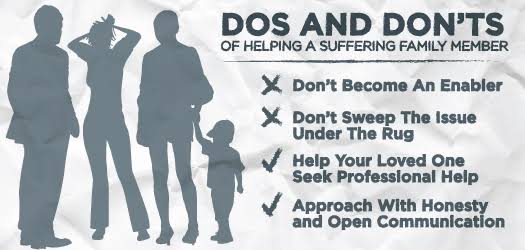 Family Guide to Handling a Loved One with Addiction: Do's and Don'ts15 Jul 2026 Mental Health
 -
 How Families Can Prevent Relapse: A Practical Guide to Supporting Long-Term Recovery15 Jul 2026 Mental Health
 -
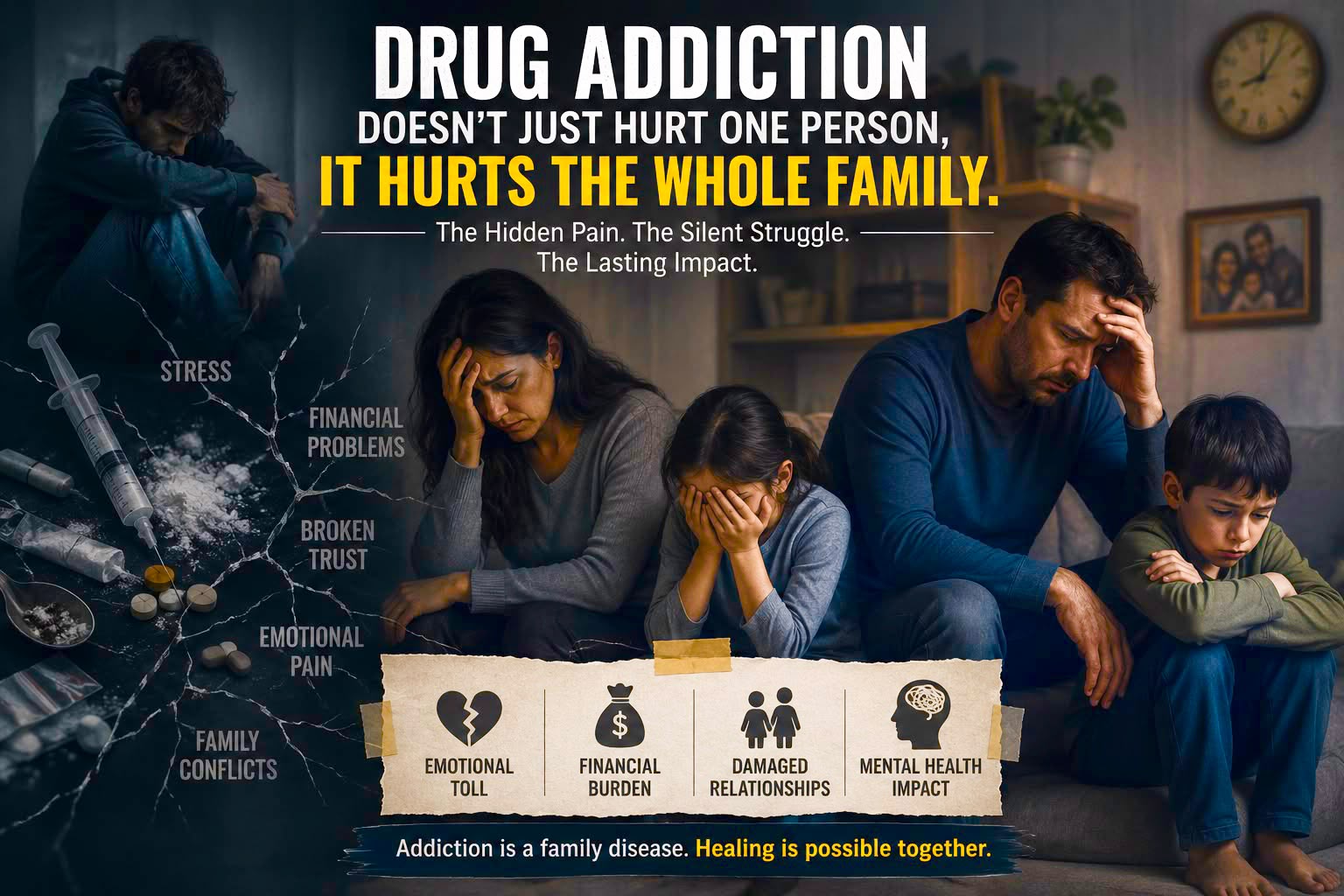 How Drug Addiction Affects Families: The Hidden Pain Behind Substance Abuse15 Jul 2026 Drug Addiction
 -
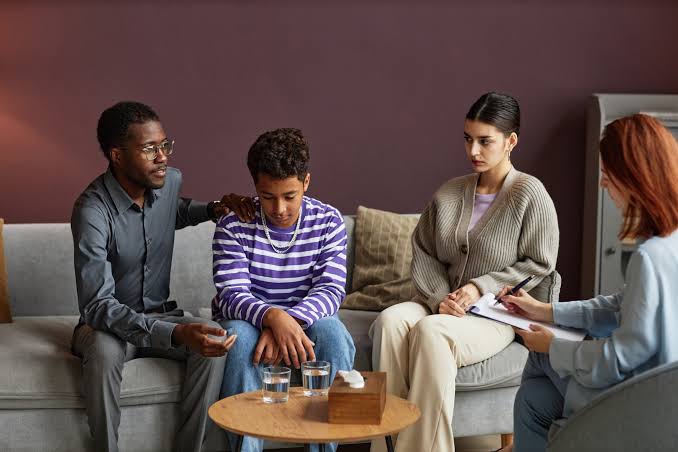 Avoid Enabling Behaviors: How Families Can Support Recovery Without Making Addiction Worse15 Jul 2026 Drug Addiction
 -
 Myths and Facts of Addiction: Separating Truth from Misconceptions22 Jun 2026 Drug Addiction

Assist. Prof.
Dr. Muhammad Shoaib Zafar
- Psychiatrist, Addiction Specialist
- M.B.B.S, M.D. (Psychiatry), B.Sc, Addiction Specialist
- 17 Years of Experience
Home » Family Guide to Handling a Loved One with Addiction: Do’s and Don’ts
Family Guide to Handling a Loved One with Addiction: Do's and Don'ts
- Written By Hira Ijaz
- Date: 15-07-2026
Addiction affects more than the individual using substances—it impacts the entire family. Watching someone you care about struggle with substance use can be emotionally exhausting, leaving family members feeling helpless, frustrated, or even guilty. While you cannot force someone to recover, your actions can significantly influence their willingness to seek treatment and maintain recovery.
This guide outlines the essential do’s and don’ts for families dealing with addiction, based on evidence-based recommendations from leading organizations such as the National Institute on Drug Abuse (NIDA) and the United Nations Office on Drugs and Crime (UNODC).
Why Family Support Matters in Addiction Recovery
Research consistently shows that family involvement plays a vital role in addiction treatment outcomes. According to NIDA, supportive family relationships can improve treatment engagement, reduce relapse risk, and encourage long-term recovery. Similarly, UNODC emphasizes that addiction is a health condition requiring compassion, treatment, and ongoing support—not punishment or stigma.
Meaning In Urdu:
نشہ صرف فرد کو نہیں بلکہ پورے خاندان کو متاثر کرتا ہے۔ خاندان کی محبت، سمجھداری اور مثبت تعاون علاج کی طرف آنے اور مستقل بحالی میں اہم کردار ادا کرتے ہیں۔ NIDA اور UNODC کے مطابق نشہ ایک طبی مسئلہ ہے، جس کے لیے ہمدردی، علاج اور مسلسل تعاون ضروری ہے، نہ کہ سزا یا بدنامی۔

Assist. Prof. Dr.
Muhammad Shoaib Zafar
- Psychiatrist, Addiction Specialist
- M.B.B.S, M.D.(Psychiatry), Addiction Specialist
- 17 Years of Experience
The Do's: Healthy Ways to Support a Loved One
1. Educate Yourself About Addiction
Understanding addiction as a chronic but treatable medical condition helps families respond with empathy rather than judgment. Learning about withdrawal, relapse, triggers, and recovery prepares you to offer informed support instead of reacting emotionally.
Knowledge also helps reduce myths and misconceptions surrounding substance use disorders.
2. Communicate with Compassion
Choose calm, respectful conversations instead of arguments or accusations. Use “I” statements such as:
- I’m worried about your health.
- I want to help you find support.
Avoid yelling, blaming, or bringing up past mistakes during conversations.
3. Encourage Professional Treatment
Recovery often requires medical care, counseling, behavioral therapy, or rehabilitation programs. Encourage your loved one to seek help from qualified addiction professionals rather than trying to manage the problem alone.
Offer practical support by helping research treatment centers, scheduling appointments, or providing transportation if appropriate.
4. Set Healthy Boundaries
Supporting someone does not mean accepting harmful behavior.
Healthy boundaries may include:
- Refusing to provide money for substances.
- Not allowing substance use inside the home.
- Protecting children and vulnerable family members.
- Clearly communicating consequences if boundaries are violated.
Boundaries protect both your well-being and your loved one’s recovery.
5. Take Care of Yourself
Families often neglect their own physical and emotional health while focusing entirely on the addicted individual.
Practice self-care by:
- Seeking counseling.
- Joining family support groups.
- Maintaining hobbies and friendships.
- Managing stress through healthy activities.
A healthier family creates a stronger support system.
The Don'ts: Common Mistakes Families Should Avoid
1. Don't Enable the Addiction
Enabling means removing the natural consequences of substance use.
Examples include:
- Giving money that may be used for drugs or alcohol.
- Covering up legal or financial problems.
- Making excuses for repeated harmful behavior.
- Frequently rescuing the person from avoidable consequences.
Although these actions may come from love, they can unintentionally prolong addiction.
2. Don't Shame or Blame
Statements like:
- You have no willpower.
- You’re ruining everyone’s life.
May increase feelings of guilt, hopelessness, and isolation. Instead, focus on expressing concern while encouraging treatment.
3. Don't Ignore Warning Signs
Addiction rarely improves without intervention.
Watch for signs such as:
- Increasing secrecy
- Financial problems
- Sudden mood changes
- Poor work or school performance
- Physical health decline
- Risky behaviors
Early intervention often leads to better treatment outcomes.
4. Don't Expect Instant Recovery
Recovery is a long-term process, and relapse can occur. According to NIDA, relapse rates for substance use disorders are similar to those for other chronic illnesses such as diabetes or hypertension.
A relapse should be viewed as a signal that treatment may need adjustment—not as proof that recovery has failed.
5. Don't Sacrifice Your Own Safety
If substance use leads to violence, threats, or dangerous behavior, prioritize your own safety and the safety of others.
Seek professional guidance if the situation becomes unsafe.
Supporting Recovery After Treatment
Recovery continues long after rehabilitation ends.
Families can help by:
- Encouraging healthy routines.
- Celebrating recovery milestones.
- Promoting open communication.
- Supporting attendance at counseling or recovery meetings.
- Avoiding environments associated with substance use.
Consistency, patience, and understanding help strengthen long-term recovery.
Final Thoughts
Supporting a loved one through addiction is challenging, but families can make a meaningful difference by combining compassion with healthy boundaries. Remember that addiction is a medical condition—not a moral failure. Encouraging professional treatment, maintaining respectful communication, and protecting your own well-being create the best environment for recovery.
No family has to face addiction alone. Reaching out to qualified healthcare providers, addiction specialists, and evidence-based treatment programs can provide the guidance and support needed for lasting recovery.
References
- National Institute on Drug Abuse (NIDA). Drugs, Brains, and Behavior: The Science of Addiction.
- National Institute on Drug Abuse (NIDA). Principles of Drug Addiction Treatment: A Research-Based Guide.
- United Nations Office on Drugs and Crime (UNODC). International Standards for the Treatment of Drug Use Disorders.
- World Health Organization (WHO). Management of Substance Abuse.
What makes addiction different from other illnesses is its powerful psychological grip, rapid impact on behavior, and high risk of severe mental health complications.
Recovery is possible, but early treatment is essential. If you or someone you love is struggling with ice addiction, seeking professional help can be the first step toward rebuilding health, relationships, and long-term well-being.
Need help with addiction treatment in Lahore? Revive Sobriety Center provides confidential addiction treatment, family support, and recovery programs designed to help individuals achieve lasting sobriety.
 Revive Sobriety Center – Addiction Recovery, Detoxification & Rehabilitation (Lahore)
 132 Google reviewsPosted on Google
 Arslan Ahmad9. October, 2026Revive Sobriety Center is a place that offers hope, support, and a fresh start to people struggling with addiction. The staff deserves appreciation for their dedication, care, and efforts to help individuals work toward recovery and rebuild their lives. A supportive and understanding environment can make a real difference during such a challenging journey. I highly appreciate the important work they do and would recommend Revive Sobriety Center to anyone looking for support on the road to recovery. Wishing the entire team continued success in helping people build healthier, happier lives.Posted on Google
 Hafiza Uswah9. October, 2026Revive Sobriety Centre is a highly recommended centre for addiction treatment especially for ice and other drugs. Dr Ejaz, Dr Shoaib and Dr Shanzey are appreciated for their professional guidance and support. If you are looking for an addiction treatment centre for ice and other drugs Revive Sobriety Centre is worth considering.Posted on Google
 Maryam Shabbir9. October, 2026Revive Sobriety Center is a great place for addiction treatment, especially for ICE and other drugs. Dr. Shoaib Zafar, Dr. Ejaz Hussain, and Shanzay (Clinical Psychologist) are doing a great job helping people on their recovery journey. Highly recommended for anyone looking for professional support and care!Posted on Google
 Eman Fatima Psychology9. October, 2026Revive sobitey center is best for addiction treatment center for ice and other drugs Dr.shoaib,Dr Ejaz Hussain and Shanzey Clinical psychologistPosted on Google
 Malaika Rajput9. October, 2026Revive sobriety centre is best ice,addiction and other drugs treatment centre dr Shoaib zafar is the head of this centre Dr Ejaz Hussain he’s the best instructor and Ms shanzay shes very professional and passionate psychologistPosted on Google
 safa ijaz25. August, 2026Great experience.Posted on Google
 hira ijaz23. August, 2026Had a wonderful time at the “Meet Yourself”workshop today facilitated by the very multitalented Hamza, from Ables Mind cafe along with one of the incredible doctors in Lahore Dr Ejaz Hussain at Revive Sobriety Centre Lahore. Such a therapeutic & creative experience it was to get to know our actual emotions in a serene environment, along with likeminded people. ❤️❤️❤️