
Latest Blog Post
-
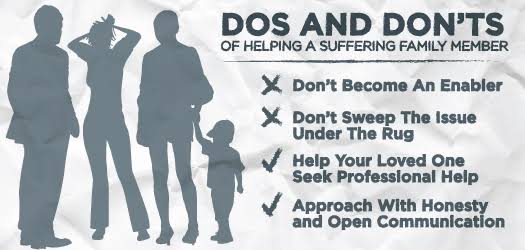 Family Guide to Handling a Loved One with Addiction: Do's and Don'ts15 Jul 2026 Mental Health
 -
 How Families Can Prevent Relapse: A Practical Guide to Supporting Long-Term Recovery15 Jul 2026 Mental Health
 -
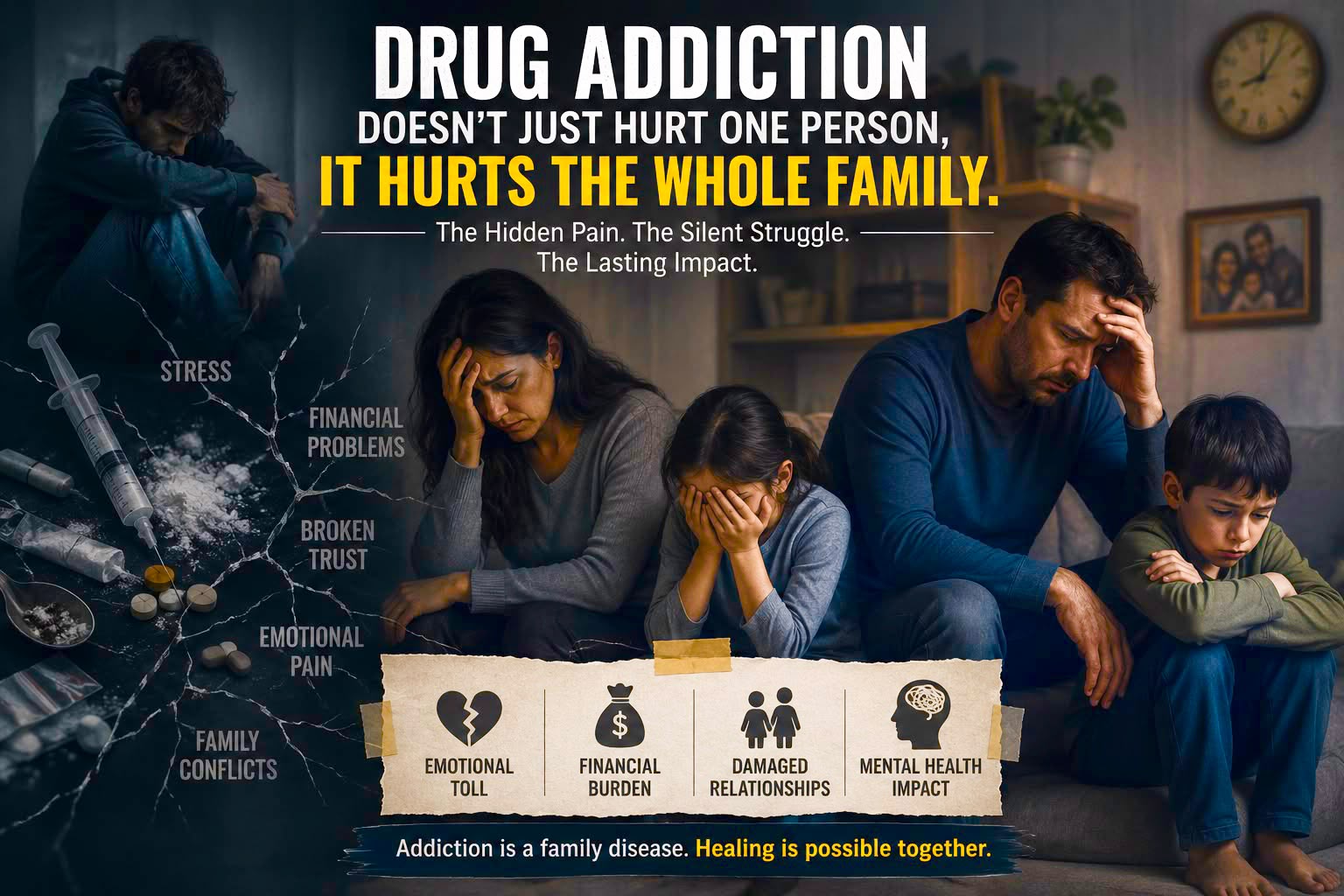 How Drug Addiction Affects Families: The Hidden Pain Behind Substance Abuse15 Jul 2026 Drug Addiction
 -
 Avoid Enabling Behaviors: How Families Can Support Recovery Without Making Addiction Worse15 Jul 2026 Drug Addiction
 -
 Myths and Facts of Addiction: Separating Truth from Misconceptions22 Jun 2026 Drug Addiction

Assist. Prof.
Dr. Muhammad Shoaib Zafar
- Psychiatrist, Addiction Specialist
- M.B.B.S, M.D. (Psychiatry), B.Sc, Addiction Specialist
- 17 Years of Experience
Home » How Families Can Prevent Relapse: A Practical Guide to Supporting Long-Term Recovery
How Families Can Prevent Relapse: A Practical Guide to Supporting Long-Term Recovery
- Written By Dr. Hamza Hafeez
- Date: 15-07-2026
Learn how families can help prevent relapse after addiction treatment. Discover practical strategies, warning signs, and family support tips for long-term recovery in Lahore.
Completing indoor addiction treatment is a significant milestone, but recovery does not end when someone leaves rehabilitation. The weeks and months following treatment are often the most challenging, as individuals adjust to daily life without drugs or alcohol. During this time, families play one of the most important roles in helping prevent relapse.
A supportive home environment cannot guarantee recovery, but it can greatly improve the chances of maintaining long-term sobriety. By understanding relapse, recognizing early warning signs, and learning healthy ways to provide support, families can become powerful partners in the recovery journey.
Quick Answer:
Families can help prevent relapse by encouraging continued treatment, creating a drug-free home, recognising early warning signs, maintaining healthy communication, supporting aftercare, and avoiding behaviours that enable addiction. Recovery is strongest when the entire family works together.
Meaning In Urdu:
نشے کے علاج کے بعد دوبارہ نشے کی طرف واپسی کو روکنے میں خاندان کا کردار بہت اہم ہوتا ہے، خاص طور پر علاج کے بعد کے ابتدائی ہفتوں اور مہینوں میں۔ خاندان ایک مثبت اور منشیات سے پاک ماحول فراہم کرکے، ابتدائی علامات کو پہچان کر اور مسلسل علاج و Aftercare کی حوصلہ افزائی کرکے مدد کر سکتا ہے۔ صحت مند گفتگو، مناسب حدود اور مستقل تعاون بحالی کے سفر کو مضبوط بناتے ہیں۔ جب پورا خاندان مل کر کام کرتا ہے تو طویل مدتی بحالی اور دوبارہ نشے سے بچاؤ کے امکانات بہتر ہو جاتے ہیں۔

Assist. Prof. Dr.
Muhammad Shoaib Zafar
- Psychiatrist, Addiction Specialist
- M.B.B.S, M.D.(Psychiatry), Addiction Specialist
- 17 Years of Experience
Understanding Relapse
Relapse does not usually happen overnight. It is often a gradual process that begins long before someone starts using drugs again.
Experts generally describe relapse in three stages:
1. Emotional Relapse
The individual may appear stressed, withdrawn, irritable, or overwhelmed. Although they are not thinking about using drugs, they may stop practising healthy recovery habits.
2. Mental Relapse
The person begins struggling with cravings and may start thinking about past drug use, romanticising addiction, or considering “just one more time.”
3. Physical Relapse
This is the stage where the individual returns to using drugs or alcohol.
Recognizing emotional and mental relapse early gives families the opportunity to encourage support before substance use begins.
Create a Safe and Drug-Free Home
The home environment has a significant impact on recovery.
Families should:
- Remove alcohol, illegal drugs, and drug paraphernalia from the home.
- Avoid keeping unnecessary prescription medications accessible.
- Encourage healthy daily routines.
- Reduce unnecessary stress whenever possible.
A safe environment helps minimise exposure to triggers during early recovery.
Encourage Continued Treatment
Many people mistakenly believe that rehabilitation is the final step in recovery. In reality, ongoing support is essential.
Encourage your loved one to continue:
- Individual counselling
- Family therapy
- Support group meetings
- Psychiatric follow-up when recommended
- Relapse prevention counselling
Recovery is a long-term process that benefits from continued professional guidance.
Learn the Early Warning Signs of Relapse
Families often notice changes before the individual recognises them.
Watch for signs such as:
- Missing counselling appointments
- Isolating from family
- Increased irritability
- Mood swings
- Sleeping too much or too little
- Contact with former drug-using friends
- Loss of interest in healthy activities
- Dishonesty or secretive behaviour
- Increased stress without healthy coping strategies
Recognising these changes early allows families to encourage help before a relapse occurs.
Communicate with Compassion
Recovery thrives in an environment of respect and understanding.
Instead of criticism, try supportive statements like:
“We’ve noticed you seem stressed lately. Is there anything we can do to help?“
Avoid statements such as:
“You’re going to relapse again.“
Judgment often increases shame, while supportive conversations encourage honesty and trust.
Avoid Enabling Behaviors
Supporting recovery does not mean protecting someone from the consequences of addiction.
Families should avoid:
- Giving money without accountability
- Making excuses for addictive behaviour
- Covering up mistakes
- Ignoring warning signs
- Solving every problem on the person’s behalf
Healthy boundaries promote responsibility while still demonstrating love and care.
Encourage Healthy Daily Habits
Long-term recovery is built on consistent healthy routines.
Encourage your loved one to:
- Exercise regularly
- Eat nutritious meals
- Maintain good sleep habits
- Develop new hobbies
- Spend time with supportive friends
- Practise stress management techniques
- Set realistic personal goals
A structured lifestyle reduces boredom, improves mental health, and strengthens recovery.
Participate in Family Therapy
Addiction affects the entire family, not just the individual.
Family therapy helps:
- Improve communication
- Resolve conflict
- Rebuild trust
- Establish healthy boundaries
- Educate relatives about addiction
When families heal together, individuals often experience greater motivation to remain sober.
Know When to Seek Help
If you notice persistent warning signs or believe your loved one may be at risk of relapse, do not wait until drug use resumes.
Early professional intervention can often prevent a temporary struggle from becoming a full relapse.
Seeking help early is a sign of strength—not failure.
Evidence-Based Recommendations
Research consistently shows that family involvement is one of the strongest protective factors in long-term addiction recovery. According to the National Institute on Drug Abuse, addiction is a chronic but treatable medical condition, and continued treatment, family support, and ongoing recovery management significantly improve long-term outcomes. The United Nations Office on Drugs and Crime also emphasizes that recovery is most successful when treatment is comprehensive and includes family participation, psychosocial support, and structured aftercare. Studies published in peer-reviewed addiction journals have similarly found that positive family engagement, healthy communication, and participation in counselling can reduce relapse risk and improve treatment retention.
Key evidence supports:
- Family involvement improves treatment engagement and long-term recovery.
- Continuing counselling and aftercare after rehabilitation lowers the likelihood of relapse.
- Early recognition of emotional and behavioural warning signs allows timely intervention before substance use resumes.
- Recovery is a long-term process that benefits from ongoing professional and family support.
Suggested References
Include these at the end of your article:
- National Institute on Drug Abuse. Drugs, Brains, and Behavior: The Science of Addiction.
- United Nations Office on Drugs and Crime. International Standards for the Treatment of Drug Use Disorders.
- World Health Organization. Management of Substance Abuse.
- McLellan AT, Lewis DC, O’Brien CP, Kleber HD. Drug Dependence, a Chronic Medical Illness. JAMA. 2000;284(13):1689–1695.
- Kelly JF, Humphreys K, Ferri M. Alcoholics Anonymous and other 12-step programs for alcohol use disorder. Cochrane Database of Systematic Reviews. 2020.
Frequently Asked Questions:
1. Is relapse common after rehabilitation?
Relapse can occur, particularly during the first year of recovery. However, continued treatment, family involvement, and strong relapse prevention strategies significantly reduce the risk.
2. Can families prevent relapse completely?
No family can completely prevent relapse. Recovery ultimately depends on the individual’s commitment, but supportive families can greatly improve long-term recovery outcomes.
3. What should I do if I think my loved one is about to relapse?
Talk openly and calmly, encourage them to contact their counsellor or treatment provider, and avoid judgment or confrontation. Early intervention often prevents relapse.
4. Should families attend counselling too?
Yes. Family counselling helps relatives understand addiction, improve communication, reduce conflict, and learn effective ways to support recovery.
5. Is relapse a sign that treatment failed?
No. Addiction is a chronic medical condition, and relapse can occur just as symptoms can return in other long-term illnesses. It usually means the recovery plan needs adjustment and additional support.
6. How long should relapse prevention continue?
Relapse prevention should continue throughout recovery. Many addiction specialists recommend regular counselling and aftercare for at least the first year after rehabilitation, with ongoing support whenever needed.
Supporting Recovery Is a Family Journey
Recovery is not achieved by one person alone. Families who educate themselves about addiction, maintain healthy communication, encourage continued treatment, and respond quickly to warning signs can make a meaningful difference in their loved one’s recovery journey.
At Revive Sobriety Center, we believe successful recovery includes the entire family. Our comprehensive treatment programmes include family education, counselling, relapse prevention planning, and long-term aftercare to help individuals and their loved ones build healthier, stronger futures together.
If someone you love is recovering from addiction and you are looking for professional guidance in Lahore, our experienced team is here to support you every step of the way.
 Revive Sobriety Center – Addiction Recovery, Detoxification & Rehabilitation (Lahore)
 132 Google reviewsPosted on Google
 Arslan Ahmad9. October, 2026Revive Sobriety Center is a place that offers hope, support, and a fresh start to people struggling with addiction. The staff deserves appreciation for their dedication, care, and efforts to help individuals work toward recovery and rebuild their lives. A supportive and understanding environment can make a real difference during such a challenging journey. I highly appreciate the important work they do and would recommend Revive Sobriety Center to anyone looking for support on the road to recovery. Wishing the entire team continued success in helping people build healthier, happier lives.Posted on Google
 Hafiza Uswah9. October, 2026Revive Sobriety Centre is a highly recommended centre for addiction treatment especially for ice and other drugs. Dr Ejaz, Dr Shoaib and Dr Shanzey are appreciated for their professional guidance and support. If you are looking for an addiction treatment centre for ice and other drugs Revive Sobriety Centre is worth considering.Posted on Google
 Maryam Shabbir9. October, 2026Revive Sobriety Center is a great place for addiction treatment, especially for ICE and other drugs. Dr. Shoaib Zafar, Dr. Ejaz Hussain, and Shanzay (Clinical Psychologist) are doing a great job helping people on their recovery journey. Highly recommended for anyone looking for professional support and care!Posted on Google
 Eman Fatima Psychology9. October, 2026Revive sobitey center is best for addiction treatment center for ice and other drugs Dr.shoaib,Dr Ejaz Hussain and Shanzey Clinical psychologistPosted on Google
 Malaika Rajput9. October, 2026Revive sobriety centre is best ice,addiction and other drugs treatment centre dr Shoaib zafar is the head of this centre Dr Ejaz Hussain he’s the best instructor and Ms shanzay shes very professional and passionate psychologistPosted on Google
 safa ijaz25. August, 2026Great experience.Posted on Google
 hira ijaz23. August, 2026Had a wonderful time at the “Meet Yourself”workshop today facilitated by the very multitalented Hamza, from Ables Mind cafe along with one of the incredible doctors in Lahore Dr Ejaz Hussain at Revive Sobriety Centre Lahore. Such a therapeutic & creative experience it was to get to know our actual emotions in a serene environment, along with likeminded people. ❤️❤️❤️