

Assist. Prof.
Dr. Muhammad Shoaib Zafar
- Psychiatrist, Addiction Specialist
- M.B.B.S, M.D. (Psychiatry), B.Sc, Addiction Specialist
- 17 Years of Experience
Latest Blog Post
-
 Myths and Facts of Addiction: Separating Truth from Misconceptions22 Jun 2026 Mental Health
 -
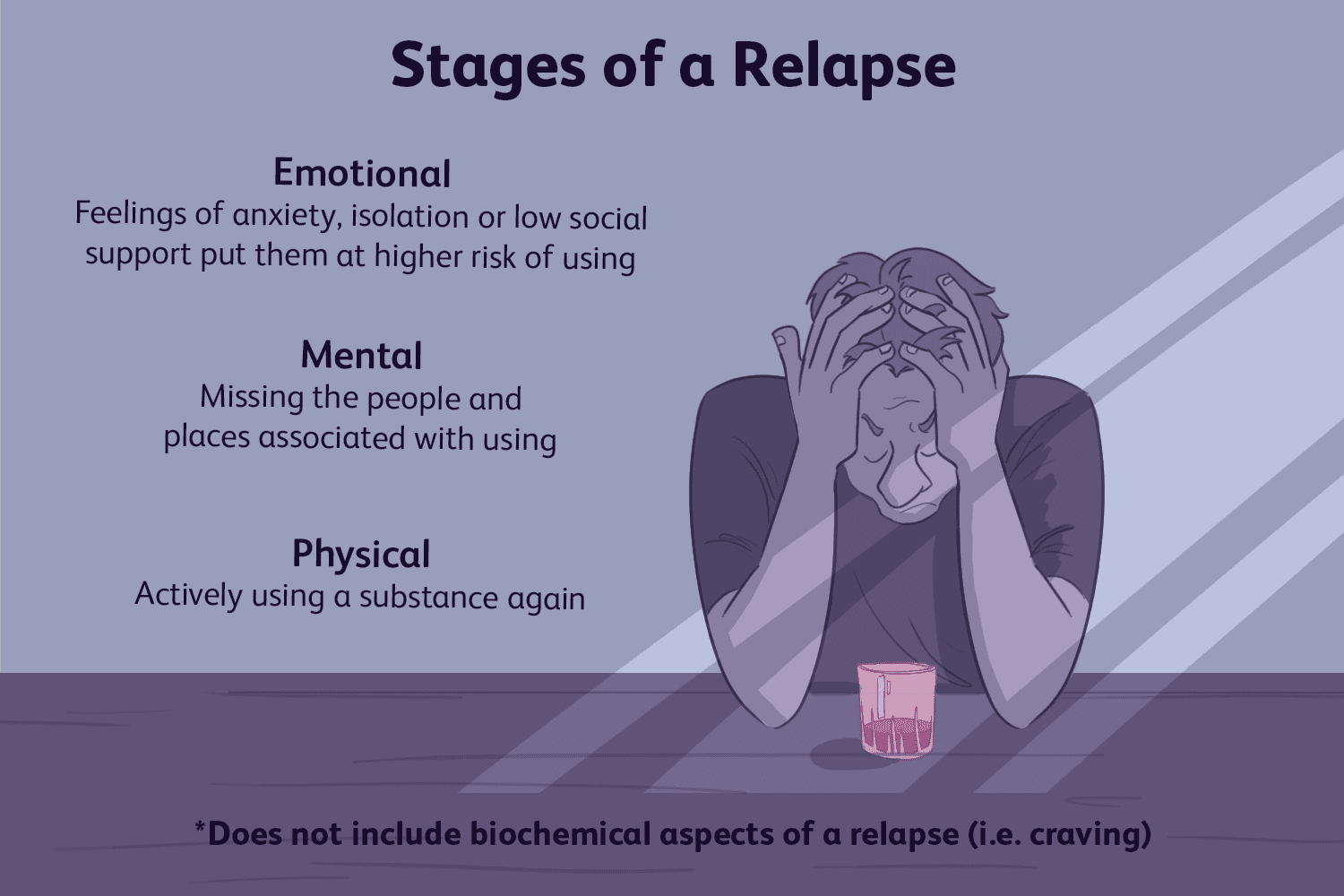 What Is Relapse? Understanding Why It Happens and How It Can Be Prevented21 Jun 2026 Mental Health
 -
 What Is Recovery in Addiction? Understanding the Journey Beyond Sobriety21 Jun 2026 Mental Health
 -
 My Husband Is Addicted to Heroin: What Should I Do?21 Jun 2026 Mental Health
 -
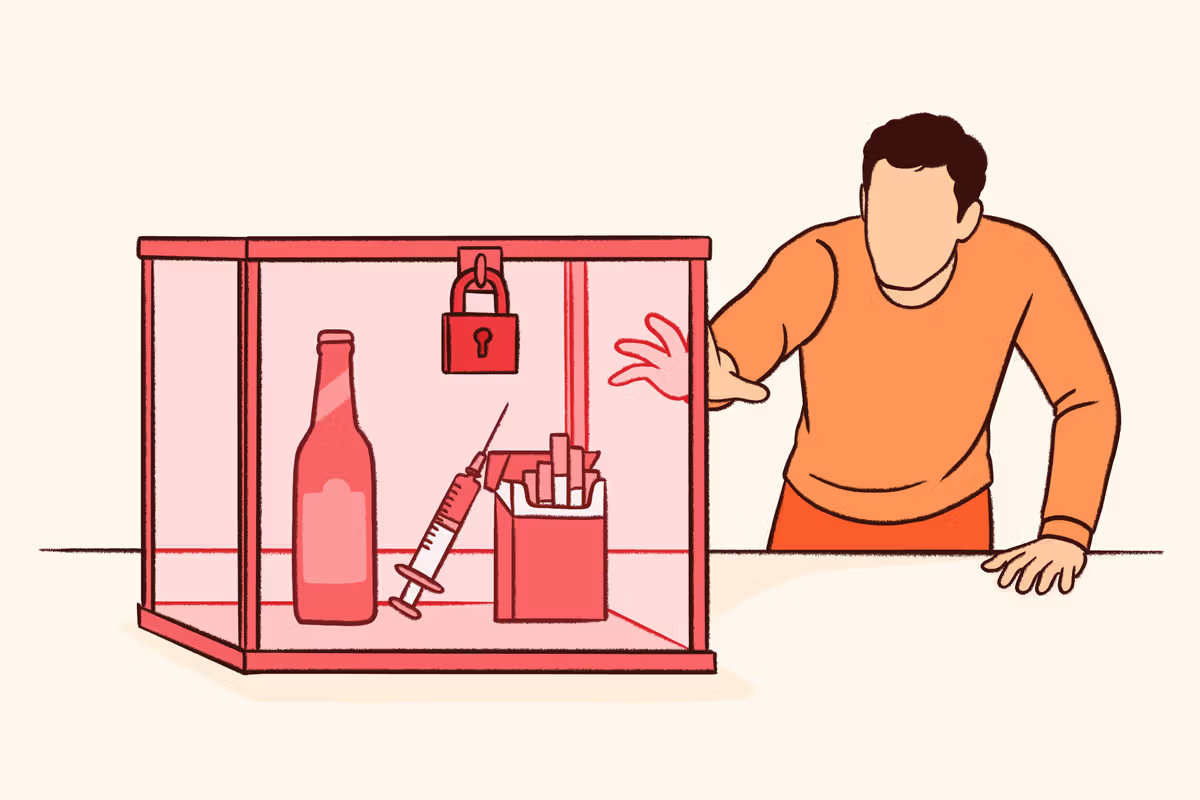 Managing Cravings in Addiction Treatment and Beyond20 Jun 2026 Mental Health
Home » Why Addicts Relapse After Rehab
Why Addicts Relapse After Rehab: Understanding the Challenges of Long-Term Recovery
- Written By Dr. M.Shoaib Zafar
- Date: 17-06-2026

This blog will help us discover the common reasons addicts relapse after rehab and learn how professional relapse prevention strategies can support long-term recovery.
Why Do Addicts Relapse After Rehab?
One of the most common questions families ask is, “If rehab worked, why did my loved one relapse?” The reality is that addiction is a chronic condition, and recovery is a lifelong process. While rehabilitation provides the foundation for sobriety, maintaining recovery requires ongoing support, lifestyle changes, and relapse prevention strategies.
Understanding why addicts relapse after rehab can help families and individuals take proactive steps toward lasting recovery.
Meaning In Urdu:
اکثر خاندان یہ سوال کرتے ہیں کہ اگر ری ہیب مؤثر تھا تو مریض دوبارہ نشے کی طرف کیوں لوٹ گیا؟ حقیقت یہ ہے کہ نشہ ایک دائمی بیماری ہے اور بحالی ایک مسلسل عمل ہے، جس کے لیے علاج کے ساتھ مستقل سپورٹ، طرزِ زندگی میں تبدیلی اور ریلیپس سے بچاؤ کی حکمتِ عملی ضروری ہوتی ہے۔

Assist. Prof. Dr.
Muhammad Shoaib Zafar
- Psychiatrist, Addiction Specialist
- M.B.B.S, M.D.(Psychiatry), Addiction Specialist
- 17 Years of Experience
Common Reasons for Relapse
- Returning to Old Environments
- Lack of Ongoing Support
- Unmanaged Stress and Mental Health Issues
- Overconfidence in Recovery
- Family and Relationship Challenges
1. Returning to Old Environments
Many individuals leave rehab and immediately return to the same people, places, and situations associated with their substance use. Exposure to these triggers can increase cravings and make relapse more likely.
2. Lack of Ongoing Support
Recovery does not end when indoor treatment is completed. Individuals who do not participate in aftercare programs, counseling, support groups, or follow-up treatment often face greater challenges maintaining sobriety.
3. Unmanaged Stress and Mental Health Issues
Anxiety, depression, trauma, and chronic stress are common relapse triggers. Without healthy coping mechanisms, some individuals return to drugs or alcohol to manage emotional discomfort.
4. Overconfidence in Recovery
Some recovering individuals believe they are “cured” after completing rehab. This false sense of confidence can lead them to stop attending counseling sessions or ignore relapse warning signs.
5. Family and Relationship Challenges
Conflict at home, lack of family support, or unresolved relationship issues can create emotional stress that increases relapse risk. Family counseling often plays a crucial role in strengthening long-term recovery.
How Relapse Can Be Prevented
Successful recovery requires continued commitment after rehabilitation. Effective relapse prevention strategies include:
- Ongoing addiction counseling and treatment on outdoor basis
- Family therapy and support
- Regular follow-up care
- Healthy lifestyle changes
- Stress management techniques
- Participation in recovery support groups
Recovery Is Still Possible After Relapse
Relapse does not mean treatment has failed. Instead, it signals that additional support or adjustments to the recovery plan may be needed. Many individuals achieve lasting sobriety after experiencing setbacks along the way.
At Revive Sobriety Center in Johar Town Lahore, we help individuals and families develop personalized relapse prevention strategies that support long-term recovery and a healthier future.
Contact Revive Sobriety Center today to get more help patient and the faimly heal together.