

Assist. Prof.
Dr. Muhammad Shoaib Zafar
- Psychiatrist, Addiction Specialist
- M.B.B.S, M.D. (Psychiatry), B.Sc, Addiction Specialist
- 17 Years of Experience
Latest Blog Post
-
 Family Guide to Handling a Loved One with Addiction: Do's and Don'ts15 Jul 2026 Mental Health
 -
 How Families Can Prevent Relapse: A Practical Guide to Supporting Long-Term Recovery15 Jul 2026 Mental Health
 -
 How Drug Addiction Affects Families: The Hidden Pain Behind Substance Abuse15 Jul 2026 Drug Addiction
 -
 Avoid Enabling Behaviors: How Families Can Support Recovery Without Making Addiction Worse15 Jul 2026 Drug Addiction
 -
 Myths and Facts of Addiction: Separating Truth from Misconceptions22 Jun 2026 Drug Addiction
Home » Managing Cravings in Addiction Treatment and Beyond
Managing Cravings in Addiction Treatment and Beyond
- Written By Dr. M.Shoaib Zafar
- Date: 20-06-2026
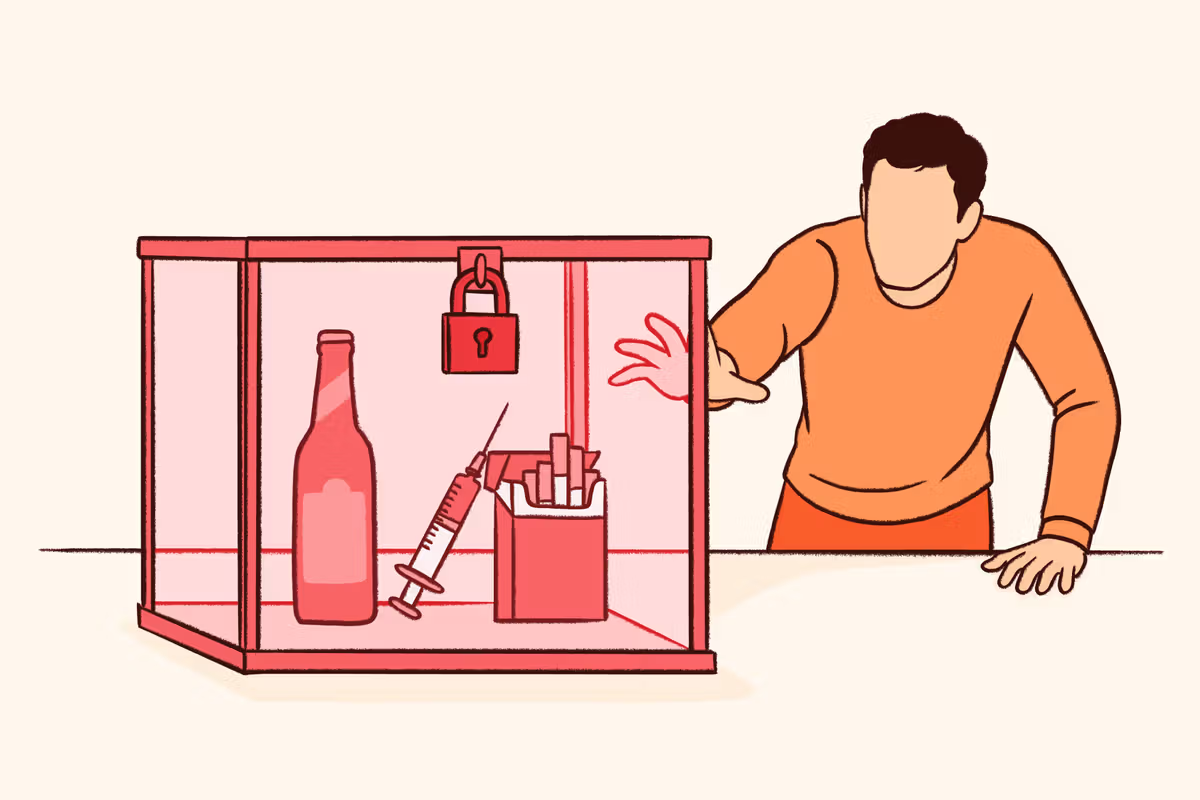
For many people recovering from addiction, cravings can be frightening. They may worry that every craving means they are about to relapse. Fortunately, cravings are a normal part of recovery and can be managed with the right support.
Learn why cravings happen during addiction recovery, practical ways to manage them, and how professional addiction treatment in Lahore can help prevent relapse.
Cravings are one of the biggest challenges people face during addiction recovery. Whether someone is recovering from heroin, ice (crystal meth), alcohol, or prescription drug addiction, cravings can occur long after substance use has stopped. The good news is that cravings are a normal part of recovery, and with the right treatment and coping strategies, they can be managed successfully.
According to the National Institute on Drug Abuse (NIDA), addiction changes the brain’s reward, motivation, memory, and self-control systems. These changes can cause intense urges to use substances, even after detoxification. However, cravings do not have to lead to relapse.
Meaning In Urdu:
نشہ چھوڑنے کے بعد کریونگز (شدید خواہش) آنا ایک عام بات ہے اور اس کا مطلب یہ نہیں کہ دوبارہ نشہ ضرور ہوگا۔ مناسب علاج، ذہنی حکمتِ عملی، اور پیشہ ورانہ مدد کے ذریعے ان خواہشات پر کامیابی سے قابو پایا جا سکتا ہے، جس سے مستقل بحالی اور ریلیپس سے بچاؤ ممکن ہوتا ہے۔

Assist. Prof. Dr.
Muhammad Shoaib Zafar
- Psychiatrist, Addiction Specialist
- M.B.B.S, M.D.(Psychiatry), Addiction Specialist
- 17 Years of Experience
Why Do Cravings Occur?
Cravings develop because repeated substance use alters the brain’s reward pathways. Certain people, places, emotions, or stressful situations can trigger memories associated with substance use, creating powerful urges.
Common triggers include:
- Stress and anxiety
- Loneliness or depression
- Seeing old friends who use drugs
- Visiting places associated with drug use
- Financial or relationship problems
- Celebrations or social gatherings where substances are available
Understanding personal triggers is one of the first steps toward preventing relapse.
Healthy Ways to Manage Cravings
Practical Techniques to Manage Drug Cravings
Managing cravings is an important part of long-term addiction recovery. Along with counseling and relapse prevention planning, simple coping techniques can help individuals respond to cravings without returning to substance use.
One helpful strategy is the HALT method, which encourages people to check whether they are Hungry, Angry, Lonely, or Tired. These physical and emotional states can increase the intensity of cravings. Addressing these basic needs—by eating a healthy meal, talking to a trusted person, managing emotions, or getting adequate rest—can often reduce the urge to use drugs or alcohol.
Another effective approach is the Delay–Distract–Decide technique. When a craving occurs, delay acting on it for 15–30 minutes instead of responding immediately. During that time, distract yourself with a healthy activity such as taking a walk, exercising, calling a supportive friend, listening to music, or practicing deep breathing. Once the craving begins to fade, decide on the healthiest next step that supports your recovery.
These techniques are not a substitute for professional addiction treatment, but they are valuable tools that can strengthen relapse prevention. Combined with counseling, family support, and evidence-based treatment, they help individuals build confidence, manage triggers, and maintain long-term recovery.
Managing cravings requires preparation and support. Effective strategies include:
- Identifying and avoiding personal triggers
- Attending individual and group counseling
- Practicing relaxation techniques such as deep breathing and mindfulness
- Exercising regularly to improve mood and reduce stress
- Following a structured daily routine
- Staying connected with supportive family members and recovery groups
- Contacting a counselor or sponsor when cravings become overwhelming
Most cravings peak within a short period and gradually fade. Learning to “ride out” these urges without acting on them is an important recovery skill.
Why Professional Treatment Makes a Difference
The United Nations Office on Drugs and Crime (UNODC) recommends comprehensive, evidence-based treatment that addresses the biological, psychological, and social aspects of addiction. Professional treatment helps individuals understand their triggers, develop healthier coping strategies, and build long-term relapse prevention skills.
At Revive Sobriety Center in Lahore, recovery programs may include medical detoxification when appropriate, psychological counseling, family therapy, relapse prevention planning, and ongoing recovery support. These services help individuals manage cravings while rebuilding healthy lifestyles.
Recovery Is a Lifelong Journey
Experiencing cravings does not mean treatment has failed or that recovery is impossible. Over time, cravings usually become less frequent and less intense as the brain heals and healthier habits develop. Each successfully managed craving strengthens recovery skills and builds confidence for the future.
If you or someone you love is struggling with addiction or experiencing frequent cravings, seeking professional addiction treatment early can improve long-term recovery outcomes and reduce the risk of relapse.
Frequently Asked Questions:
1. How long do cravings last?
Individual cravings often last only a few minutes, although they may feel longer. The frequency and intensity of cravings usually decrease over time with continued recovery.
2. Do cravings mean someone will relapse?
No. Cravings are a normal part of recovery. Learning healthy coping strategies and seeking support can prevent cravings from leading to relapse.
3. Can counseling help reduce cravings?
Yes. Counseling helps people recognize triggers, manage stress, develop healthier coping skills, and strengthen relapse prevention strategies.
4. When should someone seek professional help?
If cravings become frequent, overwhelming, or lead to repeated relapse, professional addiction treatment can provide the medical, psychological, and family support needed for lasting recovery.
5. Do Cravings Ever Completely Disappear?
For many people, yes. As recovery progresses, cravings often become less frequent and less intense. Some individuals may eventually stop experiencing cravings altogether, while others may occasionally notice mild urges during stressful situations or when exposed to reminders of past substance use.
6. Do Cravings Mean Someone Will Relapse?
No. Cravings are a normal part of addiction recovery and do not automatically lead to relapse. Learning healthy coping strategies and seeking support can help individuals manage cravings without returning to substance use.
7. Can Stress Trigger Drug Cravings?
Yes. Stress, anxiety, loneliness, fatigue, and exposure to people or places associated with past substance use are common triggers. Identifying these triggers and developing healthy coping skills are important parts of relapse prevention.
8. How Can Someone Reduce Cravings During Recovery?
Healthy habits such as regular exercise, quality sleep, balanced nutrition, counseling, mindfulness, and participation in recovery support groups can reduce the frequency and intensity of cravings. Staying connected with supportive family members and healthcare professionals also strengthens long-term recovery.
9. When Should Someone Seek Professional Help for Cravings?
If cravings become frequent, overwhelming, or lead to repeated relapse, it is important to seek professional help. Evidence-based addiction treatment can identify triggers, strengthen relapse prevention skills, and provide the medical, psychological, and family support needed for lasting recovery.
Recovery Is a Lifelong Journey
Experiencing cravings does not mean treatment has failed or that recovery is impossible. Over time, cravings usually become less frequent and less intense as the brain heals and healthier habits develop. Each successfully managed craving strengthens recovery skills and builds confidence for the future.
If you or someone you love is struggling with addiction or experiencing frequent cravings, seeking professional addiction treatment early can improve long-term recovery outcomes and reduce the risk of relapse.
 Revive Sobriety Center – Addiction Recovery, Detoxification & Rehabilitation (Lahore)
 127 Google reviewsPosted on Google
 safa ijaz25. August, 2026Great experience.Posted on Google
 hira ijaz23. August, 2026Had a wonderful time at the “Meet Yourself”workshop today facilitated by the very multitalented Hamza, from Ables Mind cafe along with one of the incredible doctors in Lahore Dr Ejaz Hussain at Revive Sobriety Centre Lahore. Such a therapeutic & creative experience it was to get to know our actual emotions in a serene environment, along with likeminded people. ❤️❤️❤️Posted on Google
 Dr Ejaz23. August, 2026Got chance to moderate a workshop on "Meet yourself" at revive sobriety centre with Hamza Khan sherwani, today it was wonderful experience..Posted on Google
 Shazil Saleem23. August, 2026My first-time experience was excellent, and I felt very good mentally.Posted on Google
 Waseem Ali23. August, 2026Highly RecommendedPosted on Google
 Ghazala Malik23. August, 2026Happened to attend a workshop by Enable mind cafe and it came out to be a good learning event. Started with activities and ended with a delicious coffee by Hamza made specially for the attendies and a token plant by Revive. Loved the workshop. Thank you Dr.Ijaz, Hamza and team.