
Assist. Prof.
Dr. Muhammad Shoaib Zafar
- Psychiatrist, Addiction Specialist
- M.B.B.S, M.D. (Psychiatry), B.Sc, Addiction Specialist
- 17 Years of Experience
Latest Blog Post
-
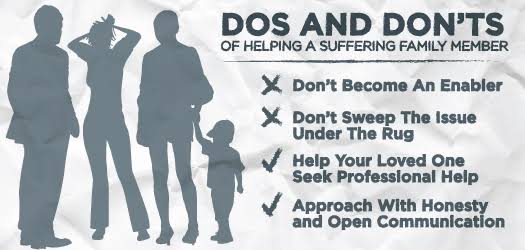 Family Guide to Handling a Loved One with Addiction: Do's and Don'ts15 Jul 2026 Mental Health
 -
 How Families Can Prevent Relapse: A Practical Guide to Supporting Long-Term Recovery15 Jul 2026 Mental Health
 -
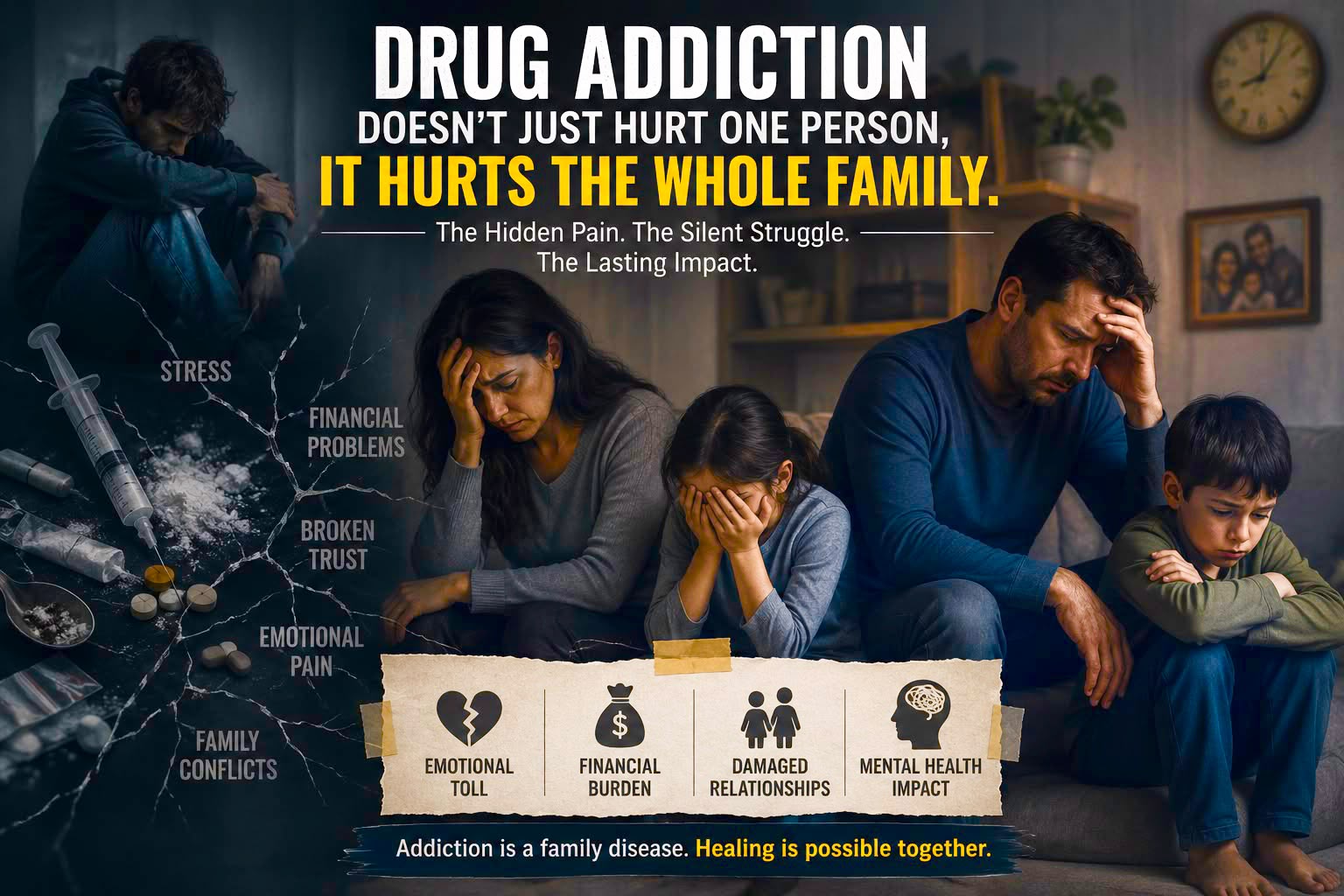 How Drug Addiction Affects Families: The Hidden Pain Behind Substance Abuse15 Jul 2026 Drug Addiction
 -
 Avoid Enabling Behaviors: How Families Can Support Recovery Without Making Addiction Worse15 Jul 2026 Drug Addiction
 -
 Myths and Facts of Addiction: Separating Truth from Misconceptions22 Jun 2026 Drug Addiction
Home » When to choose Indoor Drug Rehab
When to choose Indoor Drug Rehab: Signs your Loved One Needs Drug Rehabilitation
- Written By Dr. Shoaib Zafar
- Date: 16-06-2026
Substance abuse often develops gradually, making it difficult for families to recognize when professional help is needed. Early intervention can prevent serious physical, emotional, financial, and social consequences. When the following signs appear =, its high time you seek professional drug rehabilitation. You must have tried a lot of other things but addiction doesn’t just go away with time, persuasion and other maneuvering, it needs a treatment and recovery plan to change and get better.
Meaning In Urdu:
منشیات کا استعمال اکثر آہستہ آہستہ بڑھتا ہے، اس لیے خاندان کے لیے بروقت مسئلہ سمجھنا مشکل ہو سکتا ہے۔ لیکن جب واضح علامات سامنے آئیں تو فوری طور پر پیشہ ورانہ بحالی (ری ہیب) کی مدد لینا ضروری ہے۔
نشہ وقت گزرنے یا سمجھانے سے ختم نہیں ہوتا؛ اس کے لیے مؤثر علاج اور باقاعدہ ریکوری پلان لازمی ہوتا ہے۔

Assist. Prof. Dr.
Muhammad Shoaib Zafar
- Psychiatrist, Addiction Specialist
- M.B.B.S, M.D.(Psychiatry), Addiction Specialist
- 17 Years of Experience
Loss of Control Over Drug Use
One of the clearest signs of addiction is the inability to stop using drugs despite repeated promises or attempts to quit. Your loved one may constantly say, “I can stop whenever I want,” but continues using substances regularly.
Changes in Behavior and Personality
Addiction causes noticeable personality changes. One of the most painful parts of addiction is watching a kind, responsible, and loving person gradually become someone who seems completely different. Families often ask, “What happened to the person we knew?”
The truth is that addiction changes the way the brain functions. It is not simply a matter of weak willpower or bad character. As substance use continues, the brain begins to prioritize drugs or alcohol over almost everything else, including family, work, health, and personal values.
Neglecting Family and Work Responsibilities
When drug use becomes a priority and a necessity, important responsibilities suffer. Missing work, poor academic performance, neglecting children, or avoiding family commitments can all indicate a growing addiction problem.
Financial Problems Without Clear Explanation
Frequent requests for money, unexplained expenses, borrowing from friends and relatives, or missing valuables from the home may signal drug dependence.
Physical Health Deterioration
Drug addiction can affect every organ in the body. Common warning signs include:
- Sudden weight loss
- Poor hygiene
- Bloodshot eyes
- Frequent illnesses
- Sleep disturbances
- Lack of energy
- Severe Mood swings and rapid changes
Withdrawal Symptoms
If your loved one experiences anxiety, sweating, shaking, nausea, irritability, or restlessness when they stop using a substance, they may have developed physical dependence and these are clear signs of drug withdrawl.
Increased Tolerance
Over time, addicts need larger amounts of a substance to achieve the same effect. Escalating drug use is a strong indicator that professional treatment is needed.
Isolation from Family and Friends
People struggling with addiction often withdraw from healthy relationships and spend more time alone or with others who use drugs.
Risky or Illegal Behavior
Driving under the influence, getting involved in criminal activities, workplace misconduct, or engaging in dangerous situations to obtain drugs are serious warning signs.
Continuing Drug Use Despite Consequences
Perhaps the most important sign of addiction is continuing to use drugs despite damage to health, relationships, career, or finances.
Revive Professional rehabilitation programs provides
If your loved one displays several of these warning signs, professional help should not be delayed. Addiction is a treatable condition, and recovery is possible with the right support and evidence-based treatment.
- Medical detoxification
- Individual counseling
- Group therapy
- Family support programs
- Relapse prevention strategies
- Aftercare planning
Why Early Treatment Matters
Addiction is a progressive disease. Without treatment, the condition often worsens over time, leading to severe physical and psychological complications. Many people struggling with addiction believe they can quit whenever they choose. Families often hope that things will improve on their own. But the reality is different, addiction does not get better without help and becomes progressively worse over time. Seeking treatment early can make a significant difference in a person’s recovery journey and help prevent serious consequences.
 Revive Sobriety Center – Addiction Recovery, Detoxification & Rehabilitation (Lahore)
 127 Google reviewsPosted on Google
 safa ijaz25. August, 2026Great experience.Posted on Google
 hira ijaz23. August, 2026Had a wonderful time at the “Meet Yourself”workshop today facilitated by the very multitalented Hamza, from Ables Mind cafe along with one of the incredible doctors in Lahore Dr Ejaz Hussain at Revive Sobriety Centre Lahore. Such a therapeutic & creative experience it was to get to know our actual emotions in a serene environment, along with likeminded people. ❤️❤️❤️Posted on Google
 Dr Ejaz23. August, 2026Got chance to moderate a workshop on "Meet yourself" at revive sobriety centre with Hamza Khan sherwani, today it was wonderful experience..Posted on Google
 Shazil Saleem23. August, 2026My first-time experience was excellent, and I felt very good mentally.Posted on Google
 Waseem Ali23. August, 2026Highly RecommendedPosted on Google
 Ghazala Malik23. August, 2026Happened to attend a workshop by Enable mind cafe and it came out to be a good learning event. Started with activities and ended with a delicious coffee by Hamza made specially for the attendies and a token plant by Revive. Loved the workshop. Thank you Dr.Ijaz, Hamza and team.