
Assist. Prof.
Dr. Muhammad Shoaib Zafar
- Psychiatrist, Addiction Specialist
- M.B.B.S, M.D. (Psychiatry), B.Sc, Addiction Specialist
- 17 Years of Experience
Latest Blog Post
-
 Myths and Facts of Addiction: Separating Truth from Misconceptions22 Jun 2026 Mental Health
 -
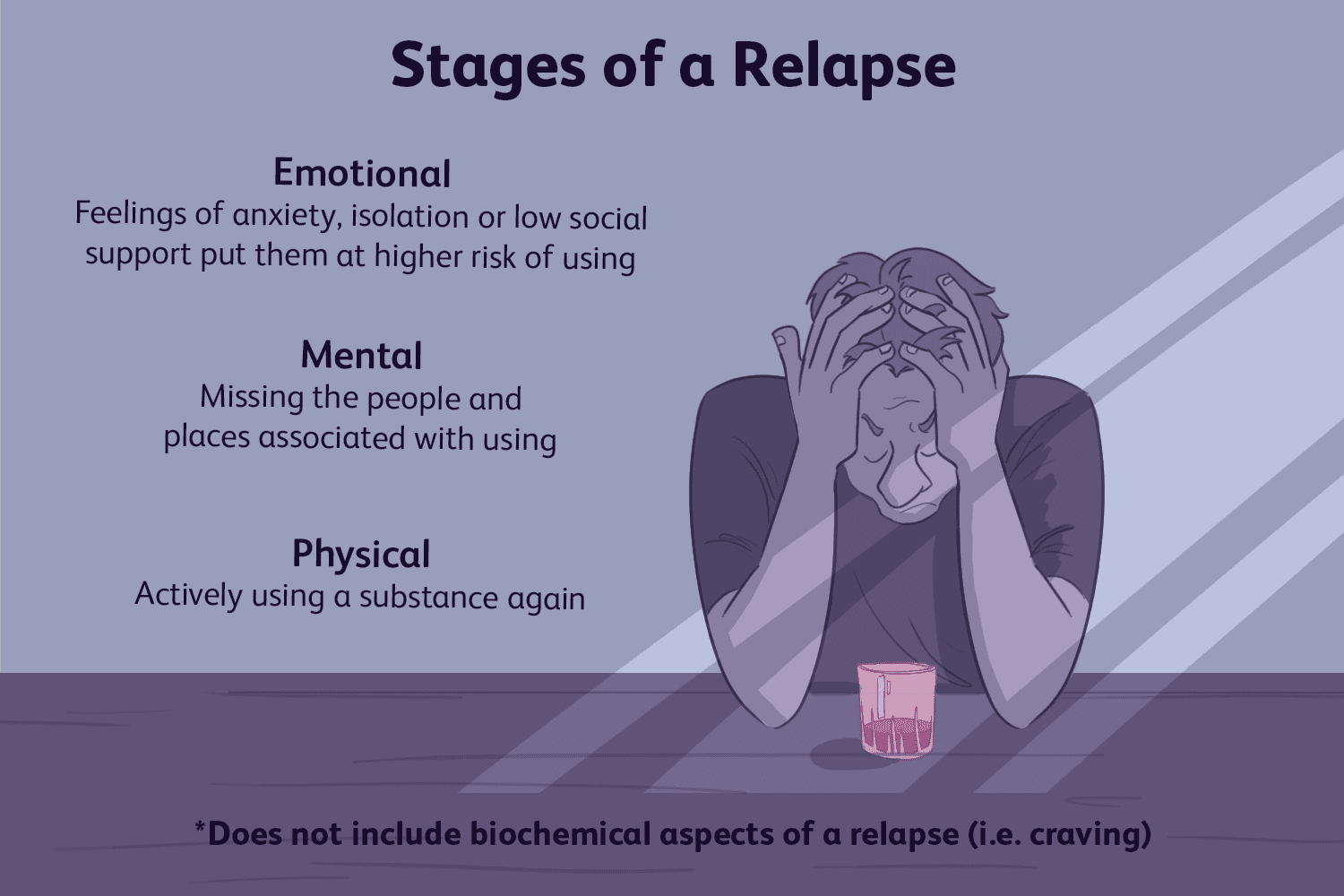 What Is Relapse? Understanding Why It Happens and How It Can Be Prevented21 Jun 2026 Mental Health
 -
 What Is Recovery in Addiction? Understanding the Journey Beyond Sobriety21 Jun 2026 Mental Health
 -
 My Husband Is Addicted to Heroin: What Should I Do?21 Jun 2026 Mental Health
 -
 Managing Cravings in Addiction Treatment and Beyond20 Jun 2026 Mental Health
Home » Is Addiction Physical or Psychological? Understanding Drug Dependence
Is Addiction Physical or Psychological? Understanding Drug Dependence
- Written By Dr. M.Shoaib Zafar
- Date: 19-06-2026
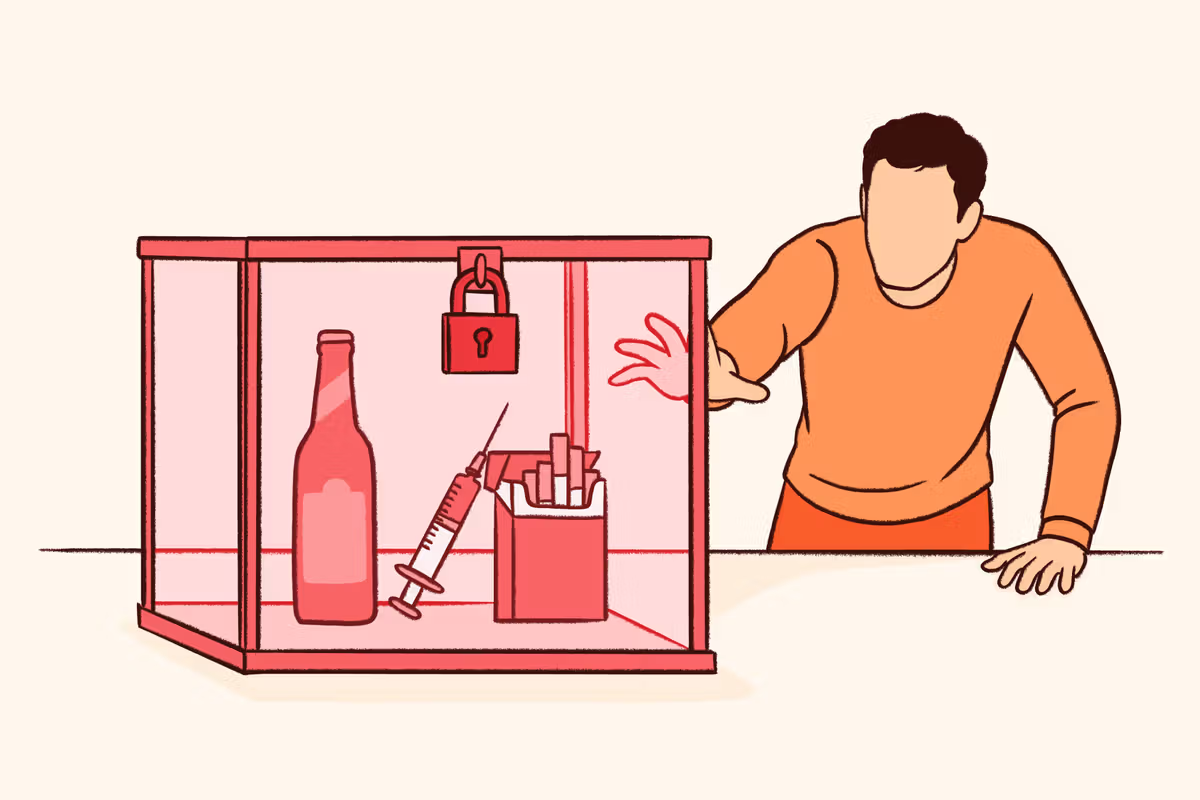
Addiction is both a psychological disorder and a physical dependency. Repeated substance use changes brain function, emotions, behavior, and the body’s response to drugs.
Addiction affects brain function, emotions, behavior, and physical health simultaneously. According to the National Institute on Drug Abuse (NIDA), addiction is a chronic but treatable disorder characterized by compulsive drug seeking and use despite harmful consequences. Over time, repeated drug use causes changes in brain circuits involved in reward, stress, motivation, learning, and self-control.
For families struggling to understand a loved one’s addiction, it is important to recognize that addiction is not simply a lack of willpower or a bad habit. It is a complex medical condition that requires comprehensive treatment.
Meaning In Urdu:
نشہ ایک نفسیاتی اور جسمانی بیماری ہے جو انسان کے دماغ، جذبات، رویے اور جسمانی صحت کو متاثر کرتی ہے۔ بار بار منشیات کے استعمال سے دماغ کے وہ حصے متاثر ہوتے ہیں جو فیصلے، خود پر قابو اور جذبات کو کنٹرول کرتے ہیں۔ اسی لیے نشہ صرف بری عادت نہیں بلکہ ایک پیچیدہ بیماری ہے جس کے علاج کے لیے پیشہ ورانہ مدد ضروری ہوتی ہے۔

Assist. Prof. Dr.
Muhammad Shoaib Zafar
- Psychiatrist, Addiction Specialist
- M.B.B.S, M.D.(Psychiatry), Addiction Specialist
- 17 Years of Experience
What Is the Psychological Component of Drug Addiction?
Drug addiction has a significant psychological component because it affects thoughts, emotions, behaviors, and decision-making.
Many individuals use substances to cope with:
- Stress and anxiety
- Depression and emotional pain
- Trauma and adverse experiences
- Loneliness and social difficulties
- Low self-esteem and psychological distress
According to NIDA, repeated substance use alters brain regions responsible for judgment, impulse control, decision-making, and emotional regulation. As a result, individuals may continue using drugs even when they recognize the negative consequences.
In our clinical experience at Revive Sobriety Center in Lahore, many patients with substance use disorders also struggle with underlying mental health conditions such as depression, anxiety, trauma-related disorders, or personality disorders that require simultaneous treatment.
What Is Physical Dependency in Drug Addiction?
Physical dependency occurs when the body adapts to the repeated presence of a substance. Over time, the brain and body become accustomed to the drug, leading to tolerance and withdrawal symptoms.
Common withdrawal symptoms may include:
- Intense cravings
- Anxiety and irritability
- Sleep disturbances
- Fatigue and body aches
- Nausea and sweating
- Depression and mood changes
- Agitation and restlessness
Some substances, including heroin, alcohol, prescription sedatives, and ice (crystal methamphetamine), can cause severe withdrawal symptoms that may require professional medical supervision.
-
Psychological Dependence: Involves emotions, thoughts, and behaviors
Physical Dependence: Involves the body's adaptation to a substance -
Psychological Dependence: Strong cravings and urges to use
Physical Dependence: Tolerance develops over time -
Psychological Dependence: Using substances to cope with stress, anxiety, trauma, or depression
Physical Dependence: Withdrawal symptoms occur when use stops -
Psychological Dependence: Loss of control over drug-seeking behaviors
Physical Dependence: The brain and body become reliant on the substance -
Psychological Dependence: Continued use despite social, financial, or relationship problems
Physical Dependence: Physical symptoms may include sweating, nausea, insomnia, body aches, and irritability -
Psychological Dependence: Commonly linked with triggers, memories, and emotional distress
Physical Dependence: Often requires medically supervised detoxification
Why Is Addiction Considered a Brain Disorder?
NIDA describes addiction as a chronic brain disorder because repeated substance use changes brain structure and function. Drugs interfere with the brain’s reward pathways and dopamine systems, reinforcing drug-taking behaviors and reducing the ability to control impulses.
These changes can make quitting extremely difficult, even when individuals genuinely want to stop using substances.
The United Nations Office on Drugs and Crime (UNODC) also recognizes substance use disorders as health conditions that frequently require long-term, evidence-based treatment and recovery support rather than punishment or moral judgment.
Why Treating Both Psychological and Physical Aspects Is Important
Because addiction affects both the mind and body, effective treatment should address both components simultaneously.
Evidence-based addiction treatment often includes:
- Comprehensive assessment
- Medically supervised detoxification when necessary
- Psychiatric evaluation and treatment
- Individual psychotherapy
- Group counseling
- Family therapy
- Relapse prevention planning
- Long-term recovery support
According to NIDA, effective treatment addresses an individual’s medical, psychological, social, and behavioral needs rather than focusing solely on stopping drug use.
Where Can Families Seek Help in Lahore?
Families should seek professional help when addiction begins affecting physical health, mental health, relationships, employment, or daily functioning. Early intervention often improves recovery outcomes and reduces the risk of serious complications.
At Revive Sobriety Center in Johar Town Lahore, treatment services are available for individuals struggling with ice (crystal methamphetamine), heroin, cannabis, alcohol, and prescription medication addiction. Comprehensive services include addiction treatment, medically supervised detoxification, psychiatric care, psychological counseling, and family support.
Frequently Asked Questions:
1. Is addiction a mental illness?
Substance use disorders are recognized medical and mental health conditions that affect brain function, behavior, and emotional regulation.
2. Can someone have physical dependence without addiction?
Yes. Physical dependence can occur with certain prescribed medications without compulsive drug-seeking behaviors. Addiction involves both impaired control and continued use despite harmful consequences.
3. Can addiction be treated successfully?
Yes. Both NIDA and UNODC emphasize that addiction is treatable and that recovery is possible with evidence-based, individualized care and ongoing support.
Drug addiction is neither purely psychological nor purely physical. It is a complex biopsychosocial condition that affects brain function, behavior, emotions, and physical health. Understanding addiction as both a psychological disorder and a physical dependency can help families approach treatment with compassion and encourage early professional intervention. With appropriate medical, psychological, and social support, long-term recovery is achievable.
4. Can addiction permanently change the brain?
Repeated substance use can alter brain circuits involved in reward, decision-making, and self-control. Many of these changes improve with long-term recovery, but some effects may persist for months or years.
5. Is addiction hereditary?
Genetics can increase a person’s risk of developing addiction, but they do not determine the outcome. Environmental factors, mental health, trauma, and life experiences also play major roles.
6. How long does physical dependence last?
The duration varies depending on the substance, length of use, and individual health. Withdrawal symptoms may last from a few days to several weeks, while cravings can continue for longer.
7. Can someone recover completely from addiction?
Yes. With evidence-based treatment, ongoing support, and healthy lifestyle changes, many people achieve long-term recovery and lead fulfilling, substance-free lives.
Final thoughts
Addiction affects both the mind and body, but recovery is possible with evidence-based treatment and ongoing support. Seeking professional help early can improve outcomes and help individuals achieve long-term recovery.