
Assist. Prof.
Dr. Muhammad Shoaib Zafar
- Psychiatrist, Addiction Specialist
- M.B.B.S, M.D. (Psychiatry), B.Sc, Addiction Specialist
- 17 Years of Experience
Latest Blog Post
-
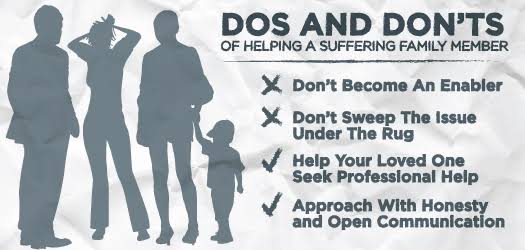 Family Guide to Handling a Loved One with Addiction: Do's and Don'ts15 Jul 2026 Mental Health
 -
 How Families Can Prevent Relapse: A Practical Guide to Supporting Long-Term Recovery15 Jul 2026 Mental Health
 -
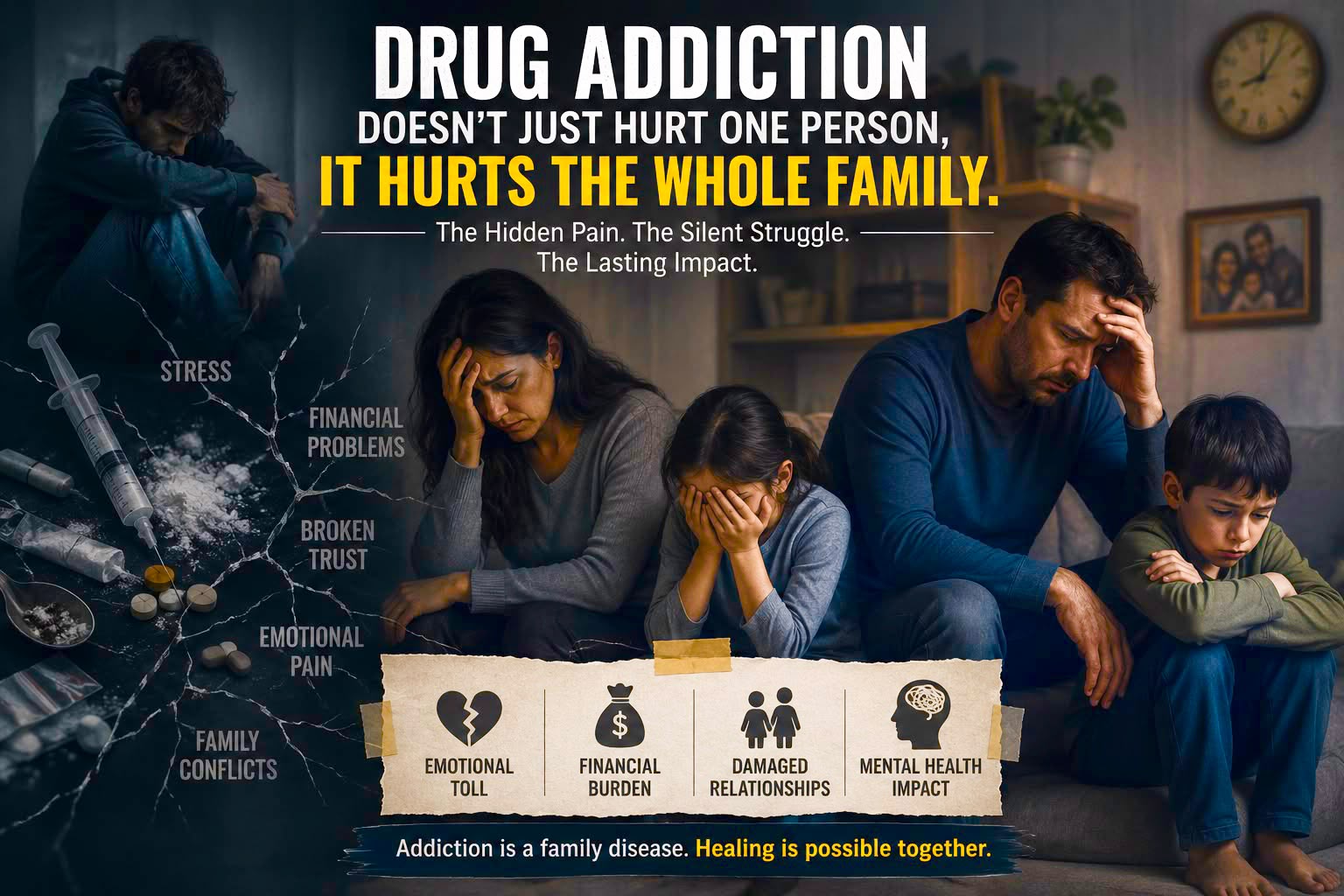 How Drug Addiction Affects Families: The Hidden Pain Behind Substance Abuse15 Jul 2026 Drug Addiction
 -
 Avoid Enabling Behaviors: How Families Can Support Recovery Without Making Addiction Worse15 Jul 2026 Drug Addiction
 -
 Myths and Facts of Addiction: Separating Truth from Misconceptions22 Jun 2026 Drug Addiction
Home » How to Convince a Heroin Addict to Get Help
How to Convince a Heroin Addict to Get Help: Effective Intervention Techniques for Families
- Written By Dr. M.Shoaib Zafar
- Date: 14-06-2026

Watching a loved one struggle with heroin addiction can be heartbreaking. Families often feel helpless as they witness the physical, emotional, and financial consequences of addiction. One of the most common questions families ask is: How can I convince a heroin addict to get help?
The answer often lies in a well-planned intervention. When conducted correctly, intervention techniques can help individuals recognize the impact of their addiction and encourage them to accept professional treatment.
Meaning In Urdu:
ہیروئن کی لت میں مبتلا کسی عزیز کو دیکھنا خاندان کے لیے نہایت تکلیف دہ ہوتا ہے۔ مؤثر اور منصوبہ بندی کے ساتھ کی گئی مداخلت (Intervention) مریض کو اپنی حالت کا احساس دلانے اور پیشہ ورانہ علاج قبول کرنے کی ترغیب دینے میں اہم کردار ادا کر سکتی ہے۔

Assist. Prof. Dr.
Muhammad Shoaib Zafar
- Psychiatrist, Addiction Specialist
- M.B.B.S, M.D.(Psychiatry), Addiction Specialist
- 17 Years of Experience
Table of Contents:
- Why Heroin Addicts Often Refuse Help
- What Is an Intervention?
- Effective Intervention Techniques
- Choose the Right Time
- Plan What You Want to Say
- Stay Calm and Respectful
- Present a Clear Treatment Plan
- Set Healthy Boundaries
- What to Say During a Heroin Addiction Intervention?
- What If They Refuse Treatment?
- Does Tough Love Work?
- When Is Rehab Necessary?
- Common Intervention Mistakes to Avoid
- Why Professional Intervention Support Can Help
- Frequently Asked Questions:
- Final Thoughts
Why Heroin Addicts Often Refuse Help
Before attempting to convince someone to seek treatment, it is important to understand why many heroin addicts resist help.
Common reasons include:
- Denial about the severity of their addiction
- Fear of withdrawal symptoms
- Shame and guilt
- Fear of judgment from family and society
- Belief that they can quit on their own
- Loss of hope after previous relapses
Understanding these concerns can help families approach the situation with compassion rather than anger.
What Is an Intervention?
An intervention is a structured conversation in which family members, friends, and sometimes addiction professionals come together to encourage a person to seek treatment.
The purpose is not to blame, shame, or punish the individual. Instead, it is an opportunity to express concern, explain how addiction is affecting loved ones, and present a clear treatment solution.
Interventions are often successful because they help break through denial and demonstrate that multiple people care about the individual’s well-being.
Effective Intervention Techniques
- Choose the Right Time
- Plan What You Want to Say
- Stay Calm and Respectful
- Present a Clear Treatment Plan
- Set Healthy Boundaries
1. Choose the Right Time
Avoid confronting someone while they are intoxicated, experiencing withdrawal, or involved in a heated argument.
Instead, choose a calm and private setting where everyone can communicate respectfully.
2. Plan What You Want to Say
Before the intervention, each participant should prepare specific examples of how heroin addiction has affected them.
Focus on facts and personal experiences rather than accusations.
For example:
- I am worried about your health.
- I miss spending time with you.
- Your addiction is affecting our family.
Statements based on concern are often more effective than criticism.
3. Stay Calm and Respectful
Many interventions fail because emotions become overwhelming. Family members should avoid yelling, threatening, or arguing.
A calm and supportive approach helps reduce defensiveness and increases the likelihood that the individual will listen.
4. Present a Clear Treatment Plan
One of the most important intervention techniques is offering a solution.
Research treatment options in advance and be prepared to explain:
- Where treatment will take place
- What services are available
- How treatment works
- How the family will provide support
The goal is to make accepting help as easy as possible.
5. Set Healthy Boundaries
Families often unintentionally enable addiction by providing money, making excuses, or shielding the individual from consequences.
During the intervention, family members should communicate healthy boundaries.
For example:
- Refusing to provide money for drugs
- No longer covering up addiction-related problems
- Encouraging accountability and treatment participation
Healthy boundaries demonstrate that the family supports recovery—not addiction.
What to Say During a Heroin Addiction Intervention?
Many families worry about saying the wrong thing during an intervention. The goal is not to blame or shame the individual but to communicate concern and offer support.
Helpful statements may include:
- We love you and are worried about your health and safety.
- Your heroin use is affecting the people who care about you.
- We believe recovery is possible, and we want to support you.
- We have already researched treatment options and are ready to help you get started.
- You do not have to face this addiction alone.
Avoid statements such as:
- You are ruining everyone’s life.
- If you loved us, you would stop using drugs.
- You are a bad person.
- You just need more willpower.
Criticism and blame often increase resistance, while compassion and clear communication can encourage acceptance of help.
What If They Refuse Treatment?
Unfortunately, not every intervention results in an immediate agreement to seek help. If a loved one refuses treatment, families should remain calm and continue reinforcing healthy boundaries.
Important steps include:
- Avoid arguing or escalating conflict.
- Continue encouraging treatment opportunities.
- Refuse to enable drug use through money or excuses.
- Seek guidance from addiction professionals.
- Maintain consistent boundaries and expectations.
Many individuals agree to treatment after multiple conversations rather than a single intervention.
Does Tough Love Work?
“Tough love” can be effective when it means establishing healthy boundaries and refusing to enable addiction. However, it should not involve punishment, humiliation, or abandoning the individual.
The most effective approach combines compassion with accountability. Families should make it clear that they support recovery while refusing to support behaviors that allow addiction to continue.
When Is Rehab Necessary?
Professional rehabilitation is often recommended when:
- The person cannot stop using heroin despite repeated attempts.
- Withdrawal symptoms prevent them from quitting.
- Drug use is causing health, legal, financial, or family problems.
- Previous attempts at recovery have failed.
- There is a risk of overdose or other serious consequences.
Early admission to a heroin rehabilitation program can significantly improve the chances of long-term recovery and reduce the risk of relapse.
Common Intervention Mistakes to Avoid
Families should avoid:
- Shaming or humiliating the individual
- Using threats that cannot be enforced
- Arguing about past mistakes
- Conducting an intervention without preparation
- Expecting immediate change
Recovery is a process, and some individuals may need time before accepting treatment.

Why Professional Intervention Support Can Help
In severe cases, working with addiction professionals can improve the effectiveness of an intervention.
Professional intervention specialists understand addiction, communication techniques, and crisis management. They can help families prepare, remain focused, and increase the chances of a positive outcome.
Frequently Asked Questions:
1. Can an intervention force a heroin addict into treatment?
No. Adults generally cannot be forced into treatment unless specific legal circumstances apply. However, interventions can motivate individuals to voluntarily seek help.
2. What should I do if the intervention fails?
Continue setting healthy boundaries and seek guidance from addiction professionals. Some individuals require multiple conversations before accepting treatment.
3. Should children participate in an intervention?
This depends on the situation and the child’s age. An addiction professional can help determine whether participation is appropriate.
4. When is the best time to stage an intervention?
When the individual is sober, calm, and able to engage in meaningful conversation.
5. Do professional interventions work?
Professional intervention guidance often increases the likelihood that an individual will accept treatment and reduces the risk of conflict during the process.
With professional treatment, family involvement, and ongoing care, lasting recovery is possible. If you or someone you love is struggling with heroin addiction, seeking help today can be the first step toward a healthier and drug-free future.
Final Thoughts
Convincing a heroin addict to get help is rarely easy, but a thoughtful and well-planned intervention can make a significant difference. By approaching the individual with compassion, clear communication, and a structured treatment plan, families can encourage their loved one to take the first step toward recovery.
If someone you care about is struggling with heroin addiction, professional support is available. Early intervention can help prevent further harm and open the door to lasting recovery.
Need help planning an intervention? Revive Sobriety Center provides professional heroin addiction treatment, family support, and recovery services in Lahore to help individuals begin their journey toward a healthier future.
Need professional help for heroin addiction recovery? Contact Revive Sobriety Center to learn more about comprehensive treatment and relapse prevention programs.
The goal is not simply to stop substance use—it is to help individuals rebuild their health, relationships, and future through professional addiction treatment and ongoing support.
 Revive Sobriety Center – Addiction Recovery, Detoxification & Rehabilitation (Lahore)
 127 Google reviewsPosted on Google
 safa ijaz25. August, 2026Great experience.Posted on Google
 hira ijaz23. August, 2026Had a wonderful time at the “Meet Yourself”workshop today facilitated by the very multitalented Hamza, from Ables Mind cafe along with one of the incredible doctors in Lahore Dr Ejaz Hussain at Revive Sobriety Centre Lahore. Such a therapeutic & creative experience it was to get to know our actual emotions in a serene environment, along with likeminded people. ❤️❤️❤️Posted on Google
 Dr Ejaz23. August, 2026Got chance to moderate a workshop on "Meet yourself" at revive sobriety centre with Hamza Khan sherwani, today it was wonderful experience..Posted on Google
 Shazil Saleem23. August, 2026My first-time experience was excellent, and I felt very good mentally.Posted on Google
 Waseem Ali23. August, 2026Highly RecommendedPosted on Google
 Ghazala Malik23. August, 2026Happened to attend a workshop by Enable mind cafe and it came out to be a good learning event. Started with activities and ended with a delicious coffee by Hamza made specially for the attendies and a token plant by Revive. Loved the workshop. Thank you Dr.Ijaz, Hamza and team.