
Assist. Prof.
Dr. Muhammad Shoaib Zafar
- Psychiatrist, Addiction Specialist
- M.B.B.S, M.D. (Psychiatry), B.Sc, Addiction Specialist
- 17 Years of Experience
Latest Blog Post
-
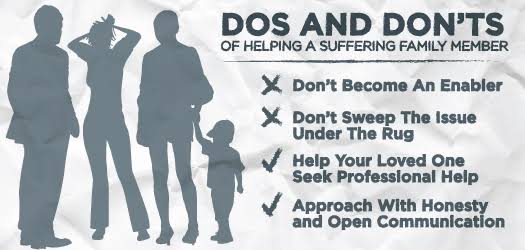 Family Guide to Handling a Loved One with Addiction: Do's and Don'ts15 Jul 2026 Mental Health
 -
 How Families Can Prevent Relapse: A Practical Guide to Supporting Long-Term Recovery15 Jul 2026 Mental Health
 -
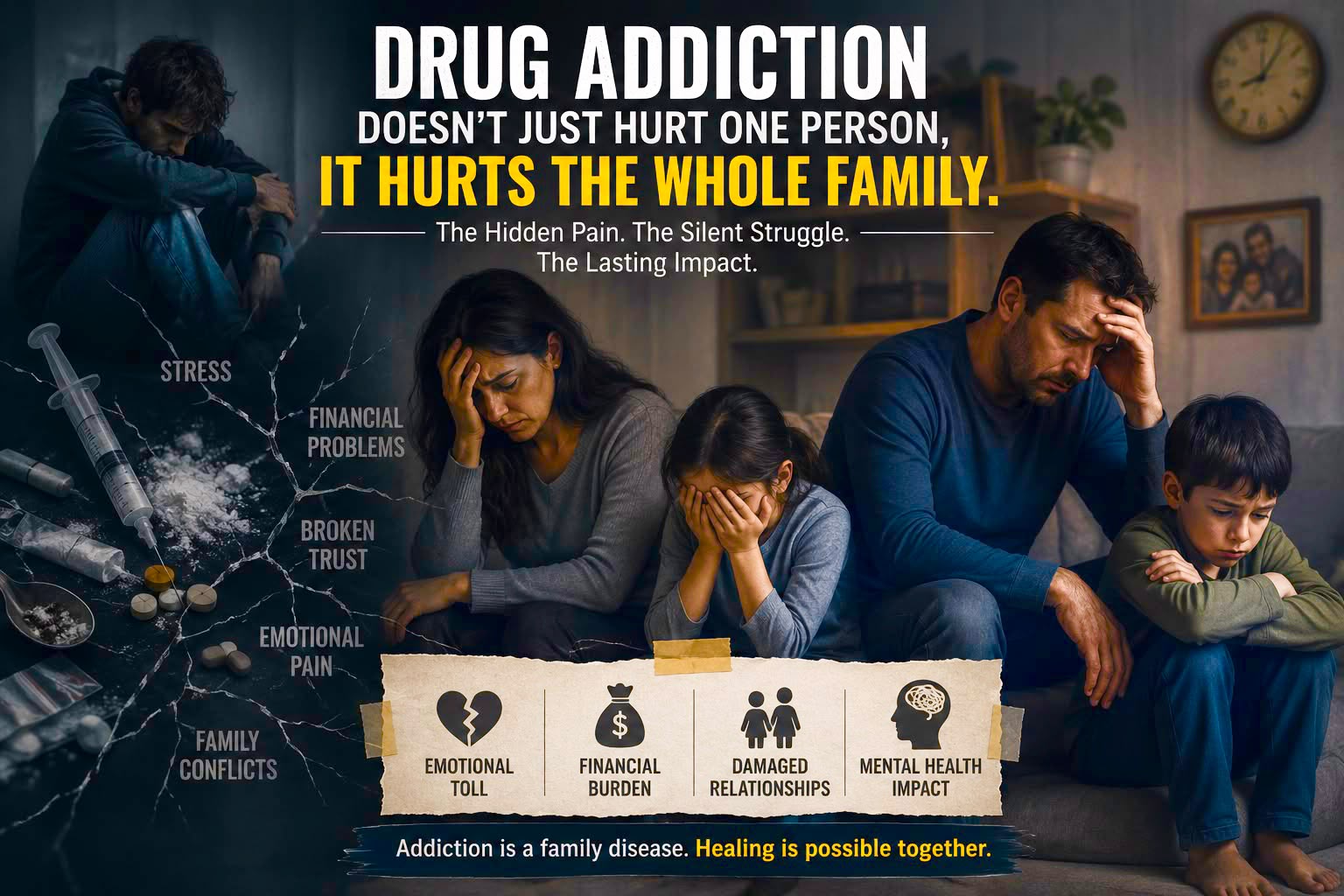 How Drug Addiction Affects Families: The Hidden Pain Behind Substance Abuse15 Jul 2026 Drug Addiction
 -
 Avoid Enabling Behaviors: How Families Can Support Recovery Without Making Addiction Worse15 Jul 2026 Drug Addiction
 -
 Myths and Facts of Addiction: Separating Truth from Misconceptions22 Jun 2026 Drug Addiction
Home » Myths and Facts of Addiction: Separating Truth from Misconceptions
The Myths and Facts of Addiction: Separating Truth from Misconceptions
- Written By Dr. Hamza Hafeez
- Date: 22-06-2026
Discover the most common myths and facts about addiction. Learn why many Pakistani families misunderstand addiction, what science says, and why early professional treatment offers the best chance of recovery.
Across Lahore, many families delay seeking treatment because of misconceptions about addiction.
According to the UNODC World Drug Report, nearly 300 million people used drugs globally in 2022, while only a small proportion of those with substance use disorders received treatment.
According to the National Institute on Drug Abuse (NIDA), repeated substance use alters brain circuits involved in reward, stress, and self-control, making it increasingly difficult for individuals to stop using without appropriate treatment.
Meaning In Urdu:
بہت سے خاندان یہ سمجھتے ہیں کہ نشہ صرف کمزور ارادے یا کردار کی خرابی کا نتیجہ ہے، جس کی وجہ سے علاج میں تاخیر ہو جاتی ہے۔ حقیقت میں نشہ دماغ اور رویّے کو متاثر کرنے والی ایک پیچیدہ مگر قابلِ علاج بیماری ہے، اور درست معلومات بروقت علاج اور کامیاب بحالی میں اہم کردار ادا کرتی ہیں۔

Assist. Prof. Dr.
Muhammad Shoaib Zafar
- Psychiatrist, Addiction Specialist
- M.B.B.S, M.D.(Psychiatry), Addiction Specialist
- 17 Years of Experience
The Myths and Facts of Addiction
Every day, families delay seeking treatment because they believe addiction is simply a lack of willpower. Unfortunately, these myths often keep people from getting help until the addiction becomes far more severe.
Addiction remains one of the most misunderstood health conditions worldwide. Many people still believe addiction is simply a matter of willpower or poor character. These misconceptions often prevent individuals and families from seeking professional help, leading to worsening physical, emotional, and social consequences.
The truth is that addiction is a complex medical condition affecting the brain, behavior, and decision-making abilities. Understanding the facts can reduce stigma, encourage early treatment, and improve recovery outcomes.
Here are some of the most common myths—and the facts that everyone should know.
Myth 1: Addiction Is a Choice
Fact: While the first use of alcohol or drugs may be voluntary, addiction is not.
Repeated substance use changes the brain’s reward system, making it increasingly difficult for a person to control cravings and stop using despite harmful consequences. Over time, addiction becomes a chronic medical condition rather than a simple choice.
Myth 2: People with Addiction Just Need More Willpower
Fact: Willpower alone is rarely enough.
Many individuals sincerely want to stop using drugs or alcohol but experience intense withdrawal symptoms, cravings, anxiety, depression, and changes in brain chemistry that make quitting extremely difficult without professional support.
Treatment addresses both the physical and psychological aspects of addiction.
In our clinical experience at Revive Sobriety Center Lahore, many patients initially believed they could stop on their own. Professional assessment often helped them recognize withdrawal symptoms and begin structured treatment.
Myth 3: Only Weak People Become Addicted
Fact: Addiction can affect anyone.
Doctors, engineers, business owners, students, athletes, and homemakers can all develop substance use disorders. Genetics, mental health conditions, trauma, chronic stress, peer influence, and environmental factors all contribute to addiction risk.
Strength or intelligence does not provide immunity.
Myth 4: Rehab Never Works
Fact: Professional treatment significantly improves recovery chances.
Like diabetes or hypertension, addiction requires proper treatment and long-term management. Recovery is a journey rather than a single event.
Evidence-based treatment programs that include medical care, counseling, behavioral therapy, relapse prevention, and family support help many people achieve lasting recovery.
Myth 5: Relapse Means Treatment Failed
Fact: Relapse does not mean failure.
Recovery is a process. Some people experience setbacks before achieving long-term sobriety. A relapse simply indicates that the treatment plan needs adjustment or additional support.
The important step is returning to treatment quickly rather than giving up.
Myth 6: Detox Alone Is Enough
Fact: Detox is only the first step.
Medical detox safely manages withdrawal symptoms, but it does not address the emotional, psychological, and behavioral causes of addiction.
Without therapy, counseling, lifestyle changes, and relapse prevention planning, many individuals return to substance use after detox.
Myth 7: Addiction Only Involves Illegal Drugs
Fact: Many legal substances can also cause addiction.
Alcohol, prescription painkillers, sleeping pills, anti-anxiety medications, nicotine, and certain stimulants can all lead to dependence when misused.
Every addictive substance affects the brain differently but can produce serious health consequences.
Myth 8: Families Cannot Help Recovery
Fact: Family support plays a vital role.
Addiction affects the entire family. Education, healthy communication, setting appropriate boundaries, and participation in family counseling often improve treatment outcomes.
Supportive families can motivate their loved one to remain engaged in recovery.
Myth 9: Recovery Is Impossible
Fact: Millions of people recover successfully.
With appropriate treatment, ongoing support, and commitment, people recover every day and return to productive, fulfilling lives. Recovery is not only possible—it happens every day across the world.
The earlier treatment begins, the greater the chances of successful recovery.
Myth 10: Addiction Is a Moral Failure
Fact: Addiction is recognized as a medical disorder.
Organizations such as the National Institute on Drug Abuse (NIDA) and the United Nations Office on Drugs and Crime (UNODC) recognize substance use disorders as chronic but treatable health conditions.
Reducing stigma encourages individuals to seek help sooner and improves public understanding of addiction.
When Should You Seek Professional Help?
Professional assessment is recommended if someone:
- Cannot stop using despite repeated attempts.
- Experiences withdrawal symptoms.
- Uses increasing amounts to achieve the same effect.
- Neglects work, education, or family responsibilities.
- Continues using despite health, legal, or relationship problems.
- Frequently relapses after trying to quit alone.
Early intervention often leads to better recovery outcomes and reduces long-term complications.
People Also Ask
1. Can addiction be cured?
Addiction is considered a chronic but treatable medical condition. While there is no instant cure, many people achieve long-term recovery through professional treatment, counseling, lifestyle changes, and ongoing support. Like other chronic conditions, successful recovery often requires continuous care and relapse prevention strategies.
2. Can marriage stop addiction?
No. Marriage alone does not treat addiction. Although a supportive spouse can encourage recovery, addiction is a medical condition that requires professional assessment and treatment. Without addressing the underlying physical, psychological, and behavioral causes, substance use often continues despite changes in personal circumstances.
3. Why do people relapse after addiction treatment?
Relapse can occur because addiction changes the brain’s reward and stress systems. Triggers such as stress, untreated mental health conditions, exposure to drugs or alcohol, and lack of ongoing support can increase relapse risk. A relapse should be viewed as a signal that additional treatment or adjustments to the recovery plan are needed—not as a failure.
4. How long does addiction treatment usually take?
The length of treatment varies depending on the type of substance, the severity of addiction, and individual needs. Detoxification may take several days, while rehabilitation programs often last from a few weeks to several months. Long-term recovery usually includes ongoing counseling, support groups, and relapse prevention.
5. Is addiction hereditary?
Genetics can increase a person’s risk of developing addiction, but they do not determine their future. Environmental influences, childhood experiences, mental health conditions, and personal choices also play important roles. Having a family history of addiction means someone may be at higher risk, not that addiction is inevitable.
6. What happens if addiction is left untreated?
Untreated addiction can lead to serious physical and mental health problems, damaged relationships, financial difficulties, legal issues, and an increased risk of overdose. Seeking professional help early greatly improves the chances of recovery and helps prevent long-term complications.
7. Can someone recover from addiction without going to rehab?
Some people with mild substance use problems may recover with outpatient care, counseling, and strong family support. However, individuals with moderate to severe addiction, repeated relapses, or significant withdrawal symptoms usually benefit from structured rehabilitation programs that provide medical supervision and comprehensive treatment.
8. When should a family seek professional help for addiction?
Families should seek professional help if their loved one cannot stop using substances despite repeated attempts, experiences withdrawal symptoms, neglects responsibilities, develops health or legal problems, or continues using despite negative consequences. Early intervention generally leads to better treatment outcomes.
Frequently Asked Questions:
1. Is addiction considered a disease?
Yes, Addiction is widely recognized as a chronic, treatable brain disorder that affects behavior and decision-making.
2. Can someone recover without professional treatment?
Some people stop on their own, but professional treatment greatly improves the chances of long-term recovery, especially for moderate to severe addiction.
3. Does relapse mean someone has failed?
No. Relapse is a common part of recovery for many people and signals the need for additional support or changes to the treatment plan.
4. Can families help someone recover from addiction?
Yes. Family education, encouragement, healthy boundaries, and participation in therapy can significantly improve recovery outcomes.
Final Thoughts
Believing myths about addiction can delay treatment and increase suffering for individuals and families. Replacing misconceptions with evidence-based facts helps reduce stigma and encourages people to seek timely care. Many families in Lahore first try to manage addiction privately because they fear social stigma. Unfortunately, delaying professional treatment often allows the addiction to become more severe.
Addiction is not a sign of weakness or a lack of character. It is a treatable medical condition that responds well to comprehensive care, professional guidance, and ongoing support. Recovery is possible, and every step toward treatment is a step toward rebuilding health, relationships, and hope. If you or someone you love is struggling with addiction, seeking professional help today may be the most important decision you ever make.
If you or a loved one is struggling with addiction, seeking professional help early can make a life-changing difference.
 Revive Sobriety Center – Addiction Recovery, Detoxification & Rehabilitation (Lahore)
 127 Google reviewsPosted on Google
 safa ijaz25. August, 2026Great experience.Posted on Google
 hira ijaz23. August, 2026Had a wonderful time at the “Meet Yourself”workshop today facilitated by the very multitalented Hamza, from Ables Mind cafe along with one of the incredible doctors in Lahore Dr Ejaz Hussain at Revive Sobriety Centre Lahore. Such a therapeutic & creative experience it was to get to know our actual emotions in a serene environment, along with likeminded people. ❤️❤️❤️Posted on Google
 Dr Ejaz23. August, 2026Got chance to moderate a workshop on "Meet yourself" at revive sobriety centre with Hamza Khan sherwani, today it was wonderful experience..Posted on Google
 Shazil Saleem23. August, 2026My first-time experience was excellent, and I felt very good mentally.Posted on Google
 Waseem Ali23. August, 2026Highly RecommendedPosted on Google
 Ghazala Malik23. August, 2026Happened to attend a workshop by Enable mind cafe and it came out to be a good learning event. Started with activities and ended with a delicious coffee by Hamza made specially for the attendies and a token plant by Revive. Loved the workshop. Thank you Dr.Ijaz, Hamza and team.