Latest Blog Post
-
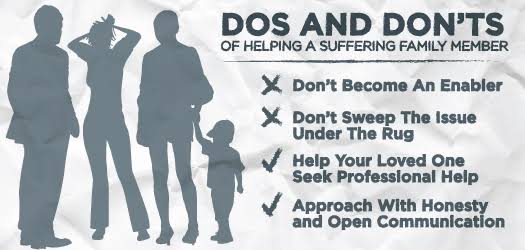 Family Guide to Handling a Loved One with Addiction: Do's and Don'ts15 Jul 2026 Mental Health
 -
 How Families Can Prevent Relapse: A Practical Guide to Supporting Long-Term Recovery15 Jul 2026 Mental Health
 -
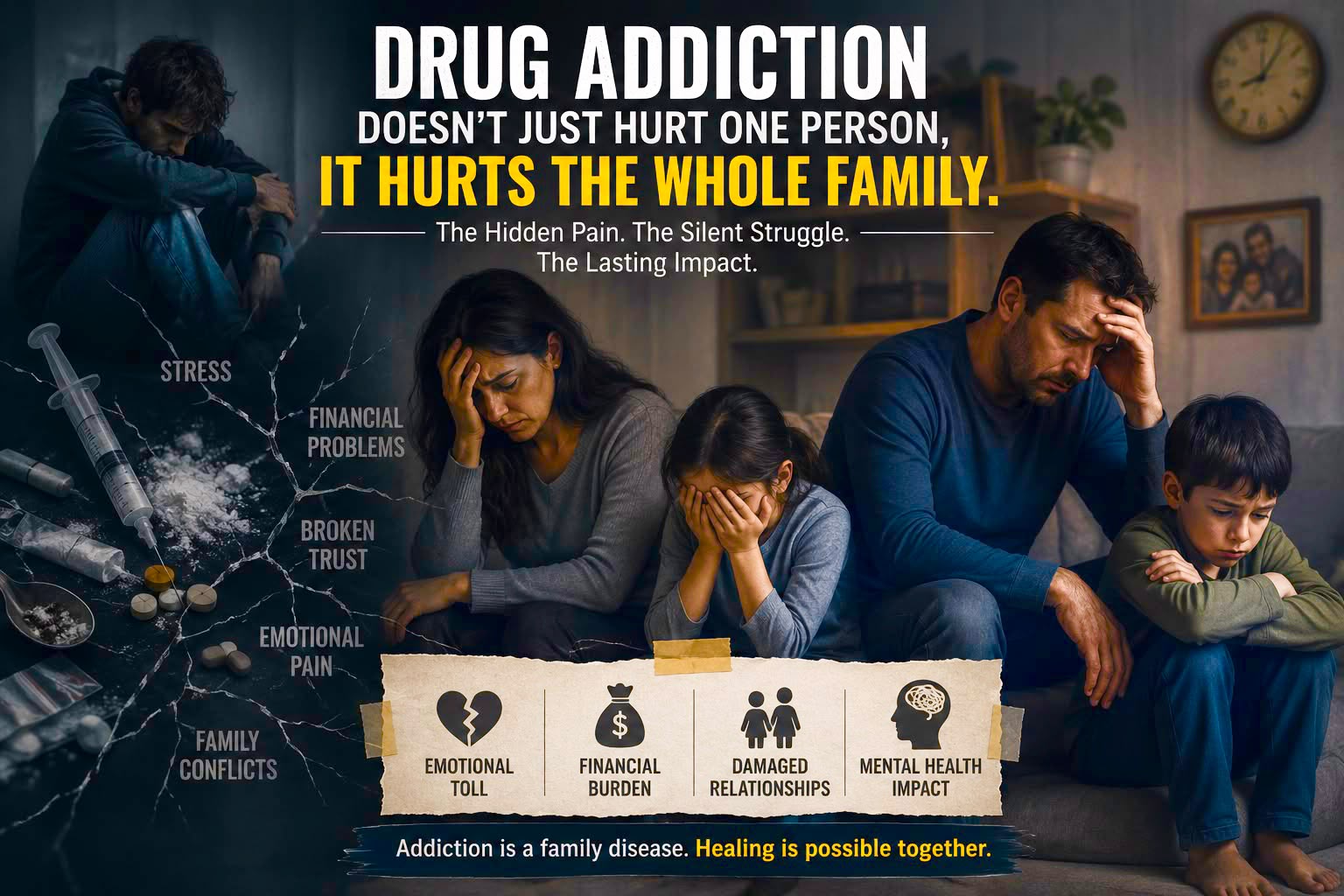 How Drug Addiction Affects Families: The Hidden Pain Behind Substance Abuse15 Jul 2026 Drug Addiction
 -
 Avoid Enabling Behaviors: How Families Can Support Recovery Without Making Addiction Worse15 Jul 2026 Drug Addiction
 -
 Myths and Facts of Addiction: Separating Truth from Misconceptions22 Jun 2026 Drug Addiction

Ms. Shanzey Nadeem
- Child Psychologist, Clinical Psychologist
- B.S(Hon), MS(Clinical Psychology)
- 2 Years of Experience
Home » What Is Recovery in Addiction? Understanding the Journey Beyond Sobriety
What Is Recovery in Addiction? Understanding the Journey Beyond Sobriety
- Written By Ms. Shanzay Nadeem
- Date: 21-06-2026
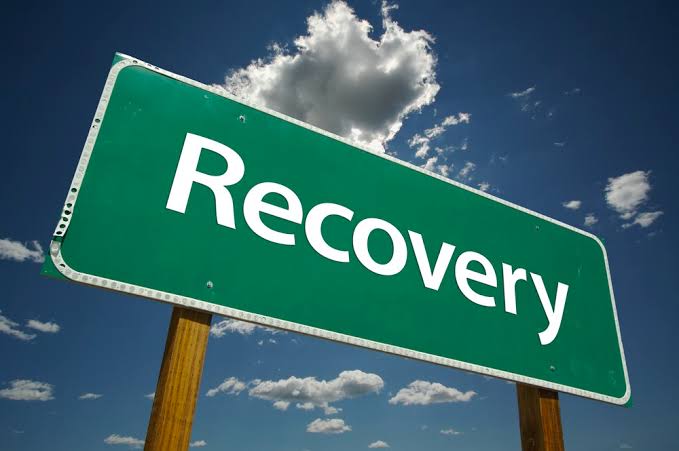
What Is Recovery in Addiction? A Complete Guide | Addiction Treatment in Lahore
Learn what recovery in addiction really means, the stages of recovery, and how professional addiction treatment in Lahore helps individuals build lasting, substance-free lives.
What Is Recovery in Addiction?
Recovery is much more than simply stopping the use of drugs or alcohol. It is an ongoing process of improving physical health, mental well-being, relationships, and overall quality of life after addiction. While sobriety is an important first step, true recovery involves learning to live a healthy, meaningful, and productive life without relying on substances.
According to the National Institute on Drug Abuse (NIDA), addiction is a chronic but treatable disorder that affects the brain and behavior. Recovery is a long-term journey that often requires professional treatment, ongoing support, and healthy lifestyle changes. The United Nations Office on Drugs and Crime (UNODC) also emphasizes that successful recovery includes medical care, psychological support, family involvement, and community reintegration.
Meaning In Urdu:
بحالی (Recovery) صرف منشیات یا شراب چھوڑنے کا نام نہیں، بلکہ جسمانی، ذہنی اور سماجی زندگی کو دوبارہ صحت مند اور متوازن بنانے کا مسلسل عمل ہے۔ مناسب علاج، نفسیاتی مدد، خاندانی تعاون، اور صحت مند طرزِ زندگی کے ذریعے ایک فرد نشے سے نکل کر دوبارہ ایک بامقصد زندگی گزار سکتا ہے۔
Ms. Shanzey Nadeem
- Child Psychologist, Clinical Psychologist
- B.S(Hon), MS(Clinical Psychology)
- 2 Years of Experience
Is Recovery the Same as Sobriety?
No. Sobriety means not using drugs or alcohol, while recovery is a broader process of healing and personal growth. A person may be sober but still struggle with unhealthy thinking patterns, emotional difficulties, or damaged relationships. Recovery focuses on addressing these underlying issues to reduce the risk of relapse and improve long-term well-being.
What Happens During Addiction Recovery?
Recovery looks different for everyone, but it commonly includes:
- Medical detoxification when necessary
- Individual and group counseling
- Treatment for co-occurring mental health conditions
- Family therapy and education
- Relapse prevention planning
- Healthy lifestyle changes
- Ongoing aftercare and recovery support
Professional addiction treatment in Lahore helps individuals develop coping skills, manage cravings, rebuild relationships, and regain confidence as they progress through recovery.
What Are the Signs of Successful Recovery?
Recovery is measured by positive changes in many areas of life, including:
- Improved physical and mental health
- Better relationships with family and friends
- Stable employment or education
- Healthy stress management
- Reduced cravings and improved emotional control
- Greater self-confidence and personal responsibility
- A commitment to maintaining sobriety
These improvements often occur gradually and continue to develop over time.
Why Is Family Support Important?
Family support plays a vital role in recovery. Encouragement, healthy communication, and participation in family counseling can strengthen motivation and reduce the likelihood of relapse. Families also learn how to set healthy boundaries and provide support without enabling addictive behaviors.
Recovery Is a Lifelong Journey
Recovery does not end after completing a rehabilitation program. It requires ongoing commitment, healthy routines, regular follow-up, and a willingness to seek help when challenges arise. Occasional setbacks do not mean failure. With evidence-based treatment and continued support, many individuals achieve long-term recovery and lead healthy, fulfilling lives.
Frequently Asked Questions:
1. What is the goal of addiction recovery?
The goal of recovery is to help individuals achieve long-term physical, emotional, and social well-being while maintaining freedom from substance use. Recovery focuses on building a healthier and more meaningful life.
2. How long does addiction recovery take?
Recovery is an ongoing process rather than a fixed timeline. While early recovery may take several months, maintaining recovery requires lifelong commitment, healthy habits, and continued support.
3. Can someone fully recover from addiction?
Yes. Many people achieve lasting recovery with evidence-based treatment, counseling, family support, and relapse prevention strategies. Recovery does not mean perfection—it means learning to live a healthy, productive life without relying on drugs or alcohol.
4. What is the difference between treatment and recovery?
Treatment refers to the professional services used to help someone overcome addiction, such as detoxification, counseling, and rehabilitation. Recovery is the lifelong process of maintaining those gains and continuing personal growth after treatment.
5. How can families support recovery?
Families can support recovery by encouraging treatment, participating in family therapy, maintaining healthy boundaries, promoting open communication, and celebrating recovery milestones while avoiding enabling behaviors.
References
- National Institute on Drug Abuse (NIDA). Drugs, Brains, and Behavior: The Science of Addiction.
- National Institute on Drug Abuse (NIDA). Principles of Drug Addiction Treatment: A Research-Based Guide.
- United Nations Office on Drugs and Crime (UNODC) & World Health Organization (WHO). International Standards for the Treatment of Drug Use Disorders.
 Revive Sobriety Center – Addiction Recovery, Detoxification & Rehabilitation (Lahore)
 127 Google reviewsPosted on Google
 safa ijaz25. August, 2026Great experience.Posted on Google
 hira ijaz23. August, 2026Had a wonderful time at the “Meet Yourself”workshop today facilitated by the very multitalented Hamza, from Ables Mind cafe along with one of the incredible doctors in Lahore Dr Ejaz Hussain at Revive Sobriety Centre Lahore. Such a therapeutic & creative experience it was to get to know our actual emotions in a serene environment, along with likeminded people. ❤️❤️❤️Posted on Google
 Dr Ejaz23. August, 2026Got chance to moderate a workshop on "Meet yourself" at revive sobriety centre with Hamza Khan sherwani, today it was wonderful experience..Posted on Google
 Shazil Saleem23. August, 2026My first-time experience was excellent, and I felt very good mentally.Posted on Google
 Waseem Ali23. August, 2026Highly RecommendedPosted on Google
 Ghazala Malik23. August, 2026Happened to attend a workshop by Enable mind cafe and it came out to be a good learning event. Started with activities and ended with a delicious coffee by Hamza made specially for the attendies and a token plant by Revive. Loved the workshop. Thank you Dr.Ijaz, Hamza and team.