

Assist. Prof.
Dr. Muhammad Shoaib Zafar
- Psychiatrist, Addiction Specialist
- M.B.B.S, M.D. (Psychiatry), B.Sc, Addiction Specialist
- 17 Years of Experience
Latest Blog Post
-
 Myths and Facts of Addiction: Separating Truth from Misconceptions22 Jun 2026 Mental Health
 -
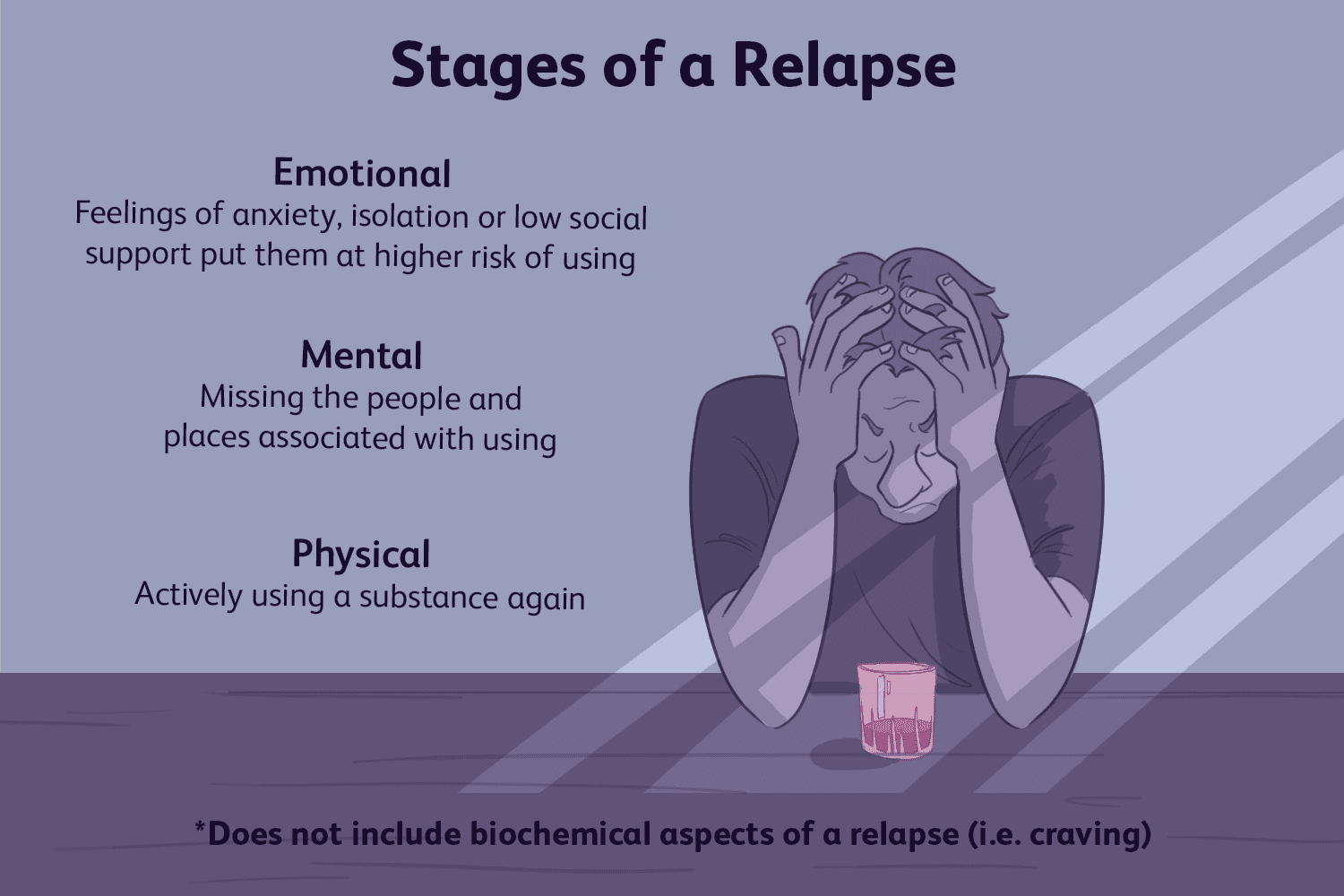 What Is Relapse? Understanding Why It Happens and How It Can Be Prevented21 Jun 2026 Mental Health
 -
 What Is Recovery in Addiction? Understanding the Journey Beyond Sobriety21 Jun 2026 Mental Health
 -
 My Husband Is Addicted to Heroin: What Should I Do?21 Jun 2026 Mental Health
 -
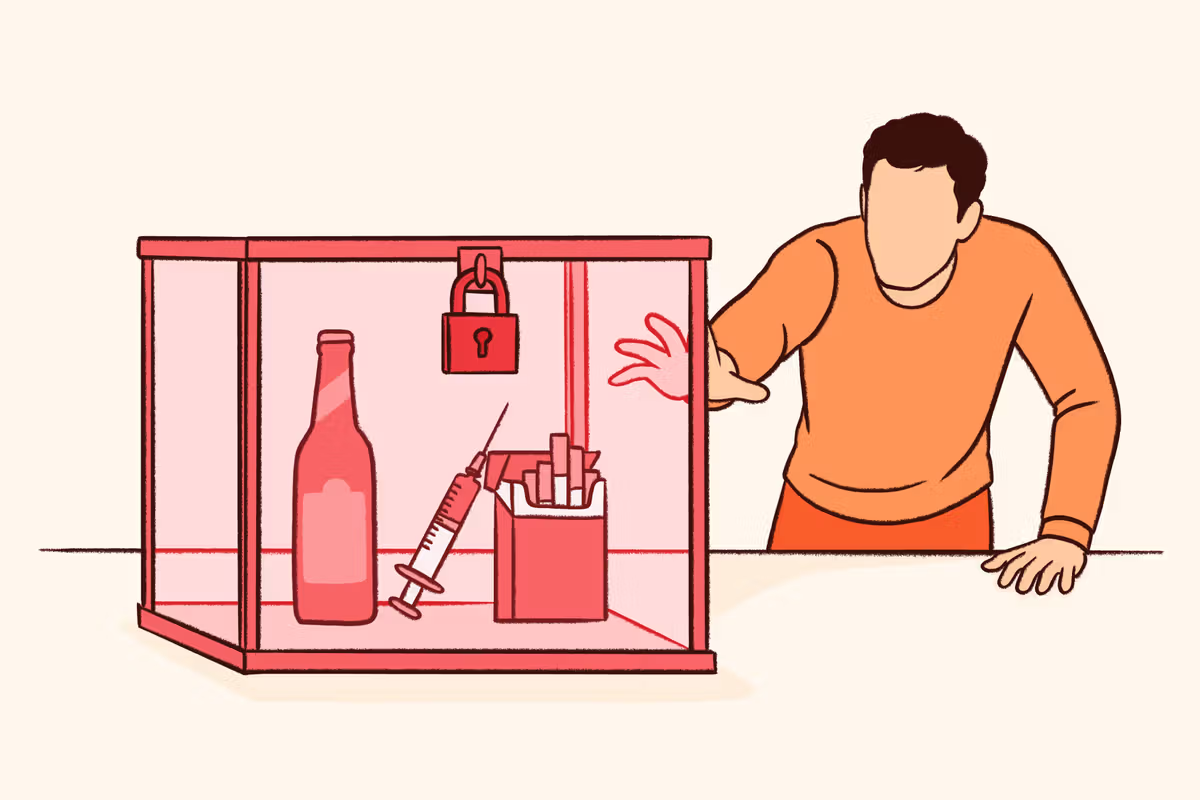 Managing Cravings in Addiction Treatment and Beyond20 Jun 2026 Mental Health
Home » The Cost of Addiction vs. Recovery: Which Is More Expensive in Lahore?
The Cost of Addiction vs. Recovery: Which Is More Expensive in Lahore?
- Written By Dr. M.Shoaib Zafar
- Date: 20-06-2026
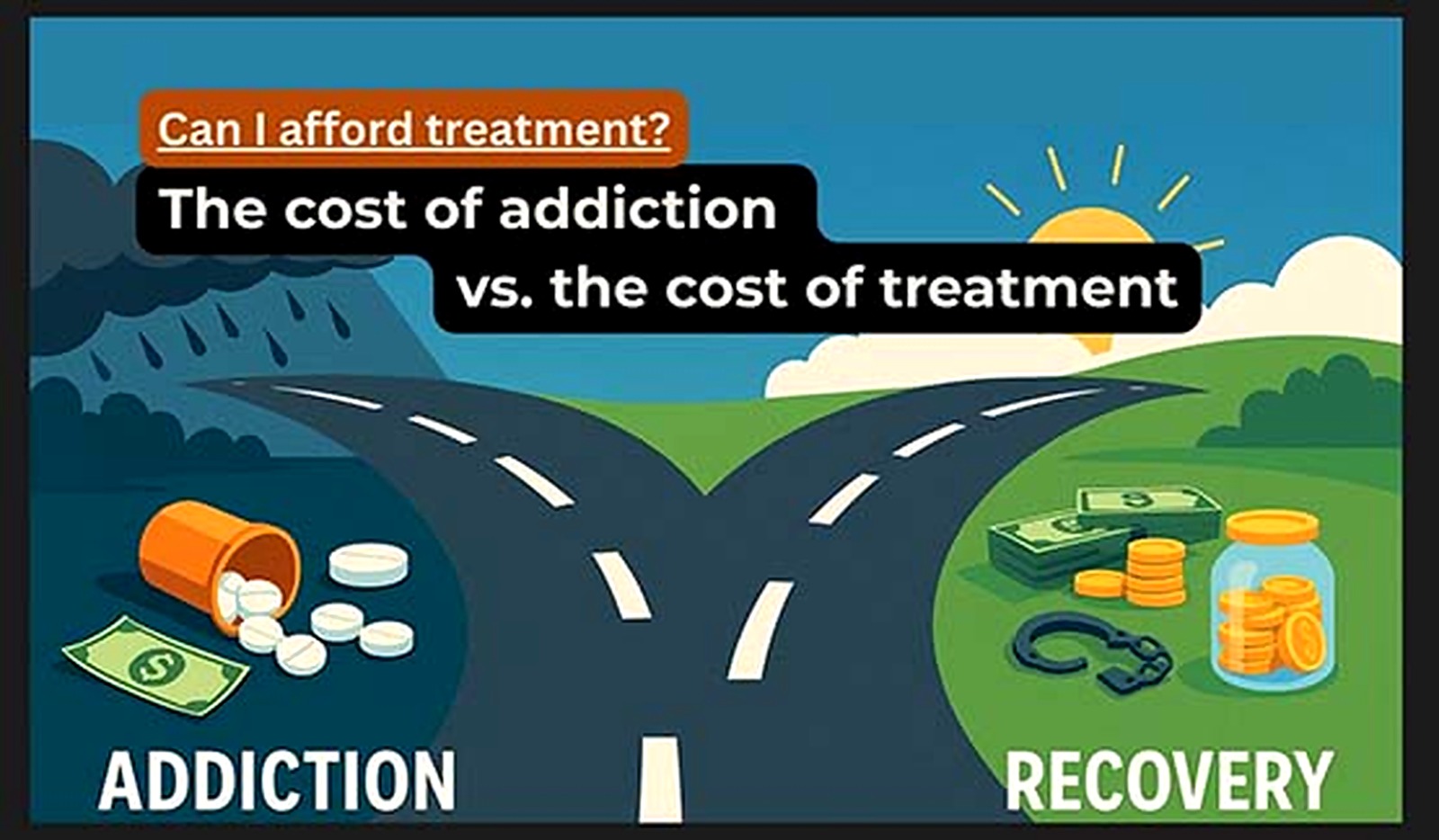
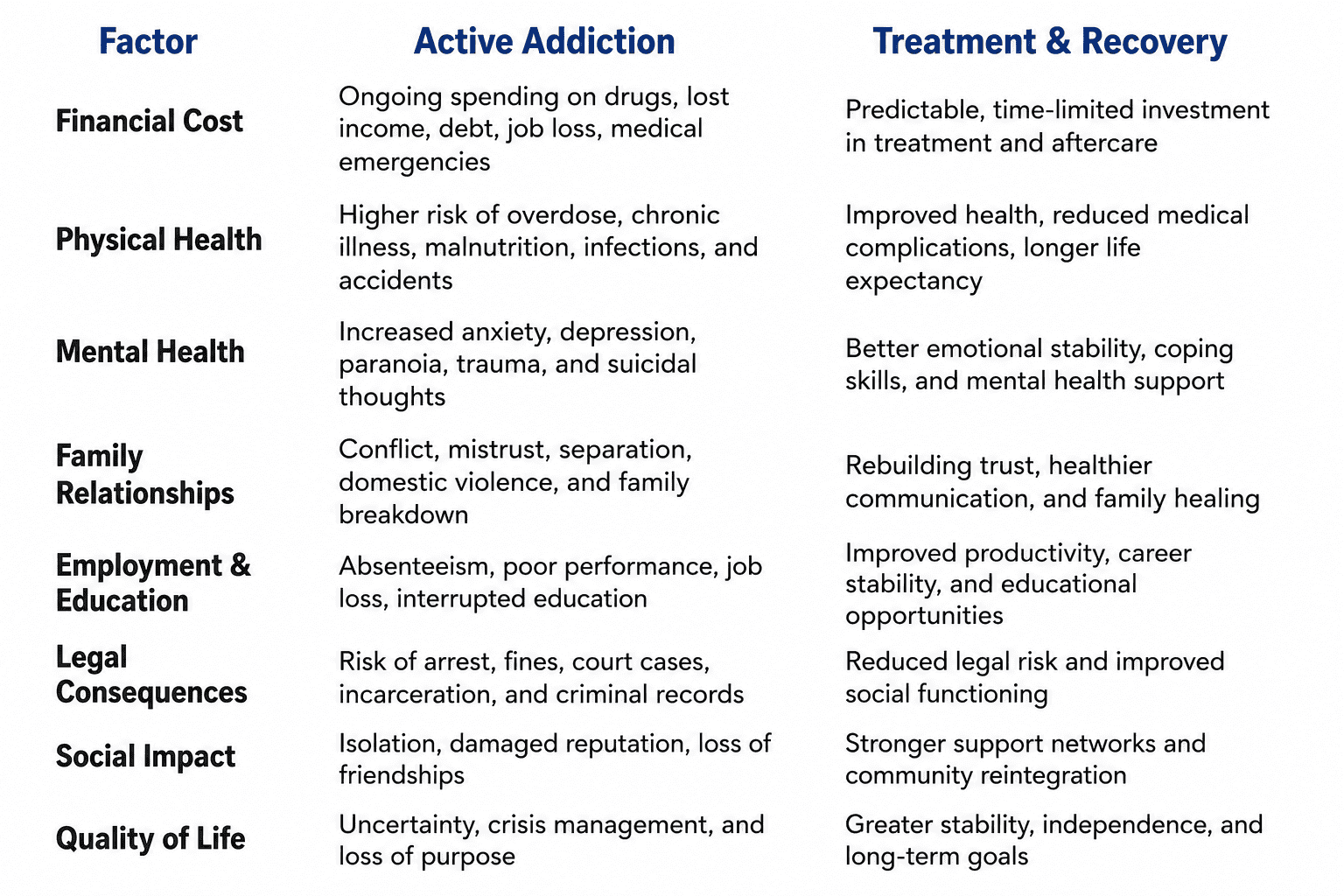
For individuals and families in Lahore, the question is not whether treatment costs money—it’s whether continuing addiction costs far more.
The evidence consistently shows that treatment and recovery are significantly less costly than active addiction across financial, emotional, physical, legal, and social dimensions.
Meaning In Urdu:
لاہور میں بہت سے افراد اور خاندان علاج کی لاگت کے باعث مدد لینے میں ہچکچاتے ہیں، مگر اصل سوال یہ ہے کہ نشے کو جاری رکھنے کی قیمت کیا ہے؟ اگرچہ علاج وقت اور وسائل مانگتا ہے، لیکن مسلسل نشہ جسمانی، ذہنی اور مالی طور پر کہیں زیادہ نقصان پہنچاتا ہے۔

Assist. Prof. Dr.
Muhammad Shoaib Zafar
- Psychiatrist, Addiction Specialist
- M.B.B.S, M.D.(Psychiatry), Addiction Specialist
- 17 Years of Experience
What Is the True Cost of Active Addiction?
Many individuals and families in Lahore hesitate to seek help because they worry about the cost of addiction treatment. However, the more important question is: What is the true cost of continuing addiction?
According to the National Institute on Drug Abuse (NIDA), addiction is a chronic but treatable disorder that affects brain function, behavior, physical health, and decision-making. While treatment requires an investment of time and resources, active addiction often creates far greater long-term costs.
1. Hidden Financial Costs of Addiction
The financial burden of addiction extends beyond purchasing drugs or alcohol. Individuals may experience job loss, reduced productivity, mounting debt, medical emergencies, and legal expenses. Families are often forced to absorb these costs while also coping with emotional stress and uncertainty.
2. Emotional Cost to Families
The emotional impact can be equally devastating. Addiction frequently damages relationships, creates family conflict, erodes trust, and contributes to anxiety, depression, and social isolation. Children and spouses may experience significant psychological distress as addiction progresses.
The United Nations Office on Drugs and Crime (UNODC) recognizes substance use disorders as health conditions that require evidence-based treatment and long-term recovery support. Professional addiction treatment helps individuals address both the physical and psychological aspects of addiction through detoxification, counseling, psychiatric care, relapse prevention, and family support.
3. Why Recovery Costs Less
Recovery offers benefits that extend far beyond sobriety. Individuals often regain employment, rebuild relationships, improve physical and mental health, and reduce their risk of legal and financial problems. What may initially appear to be the cost of treatment is often an investment in a healthier and more stable future.
When financial, emotional, physical, legal, and social consequences are considered, treatment and recovery are almost always less costly than active addiction.
If you or a loved one is struggling with addiction, seeking professional help early can significantly improve recovery outcomes and reduce the long-term costs associated with substance use.
4. Hidden Costs of Active Addiction
Many families focus only on the cost of treatment while overlooking the hidden costs of addiction:
- Lost wages and unemployment
- Borrowing money and accumulating debt
- Emergency healthcare expenses
- Legal fees and fines
- Property damage or theft
- Caregiver stress and burnout
- Lost educational opportunities
- Emotional trauma for children and family members
5. The Emotional Cost
Active addiction often creates a cycle of fear, guilt, shame, and hopelessness for both the individual and their family. Recovery offers an opportunity to restore relationships, rebuild self-esteem, and create a more stable future.
6. The Financial Reality
Treatment is usually a one-time or short-term investment. Addiction creates recurring and escalating costs that can continue for years.
Bottom Line
When all factors are considered—financial, emotional, legal, physical, and social—treatment and recovery are almost always less costly than active addiction.
The real question is not, “Can we afford treatment?” but rather, “Can we afford the ongoing cost of addiction?”
Frequently Asked Questions:
1. Is Rehab Cheaper Than Active Addiction?
In most cases, yes. Rehab is usually a short-term investment, while active addiction creates ongoing expenses through drug purchases, healthcare costs, lost income, debt, legal problems, and damaged relationships. Over time, addiction often costs significantly more than professional treatment.
2. What Are the Hidden Costs of Addiction?
Many families only consider the cost of drugs, but addiction also leads to hidden expenses such as lost wages, unemployment, emergency medical treatment, legal fees, property damage, financial borrowing, family stress, and educational setbacks. These costs can accumulate for years.
3. Can Treatment Reduce Legal and Financial Problems?
Yes. Effective addiction treatment can help individuals regain employment, improve financial stability, reduce risky behaviors, and avoid legal consequences associated with substance use. Early intervention often prevents problems from becoming more severe and costly.
4. How Long Does Recovery Take?
Recovery is an ongoing process that varies from person to person. Detoxification may take days or weeks, while rehabilitation can last several weeks to several months. Long-term recovery is supported through counseling, relapse prevention, family support, and healthy lifestyle changes. Many people continue strengthening their recovery for years after treatment.
5. Is Addiction Treatment Worth the Cost?
Yes. While addiction treatment requires an upfront investment, it can prevent ongoing expenses related to substance use, medical emergencies, legal issues, unemployment, and family disruption. For many individuals and families, treatment is far less costly than continuing active addiction.
6. How Much Money Can Addiction Cost a Family?
The financial impact varies, but addiction can lead to lost income, debt, healthcare expenses, legal fees, property damage, and ongoing support costs. Over months or years, these expenses can significantly exceed the cost of professional addiction treatment and recovery services.
7. What Is the Financial Impact of Heroin Addiction?
Heroin addiction can result in continuous spending on drugs, loss of employment, medical complications, legal problems, and strained family finances. The long-term economic burden often extends beyond the individual and affects the entire household.
8. Can Rehab Save Money in the Long Run?
In many cases, yes. Effective rehabilitation can reduce healthcare costs, improve employment stability, prevent legal problems, and decrease the financial burden associated with ongoing substance use. Recovery often leads to greater financial security and quality of life over time.
Recovery Is Possible
According to NIDA and UNODC, addiction is a treatable condition, and early intervention can significantly improve recovery outcomes while reducing the long-term financial, emotional, and social costs associated with substance use.
If you are searching for addiction treatment and rehabilitation in Lahore such as ice addiction treatment, drug rehabilitation services, or family support for addiction recovery, contact Revive Sobriety Center today.