
Assist. Prof.
Dr. Muhammad Shoaib Zafar
- Psychiatrist, Addiction Specialist
- M.B.B.S, M.D. (Psychiatry), B.Sc, Addiction Specialist
- 17 Years of Experience
Latest Blog Post
-
 Myths and Facts of Addiction: Separating Truth from Misconceptions22 Jun 2026 Mental Health
 -
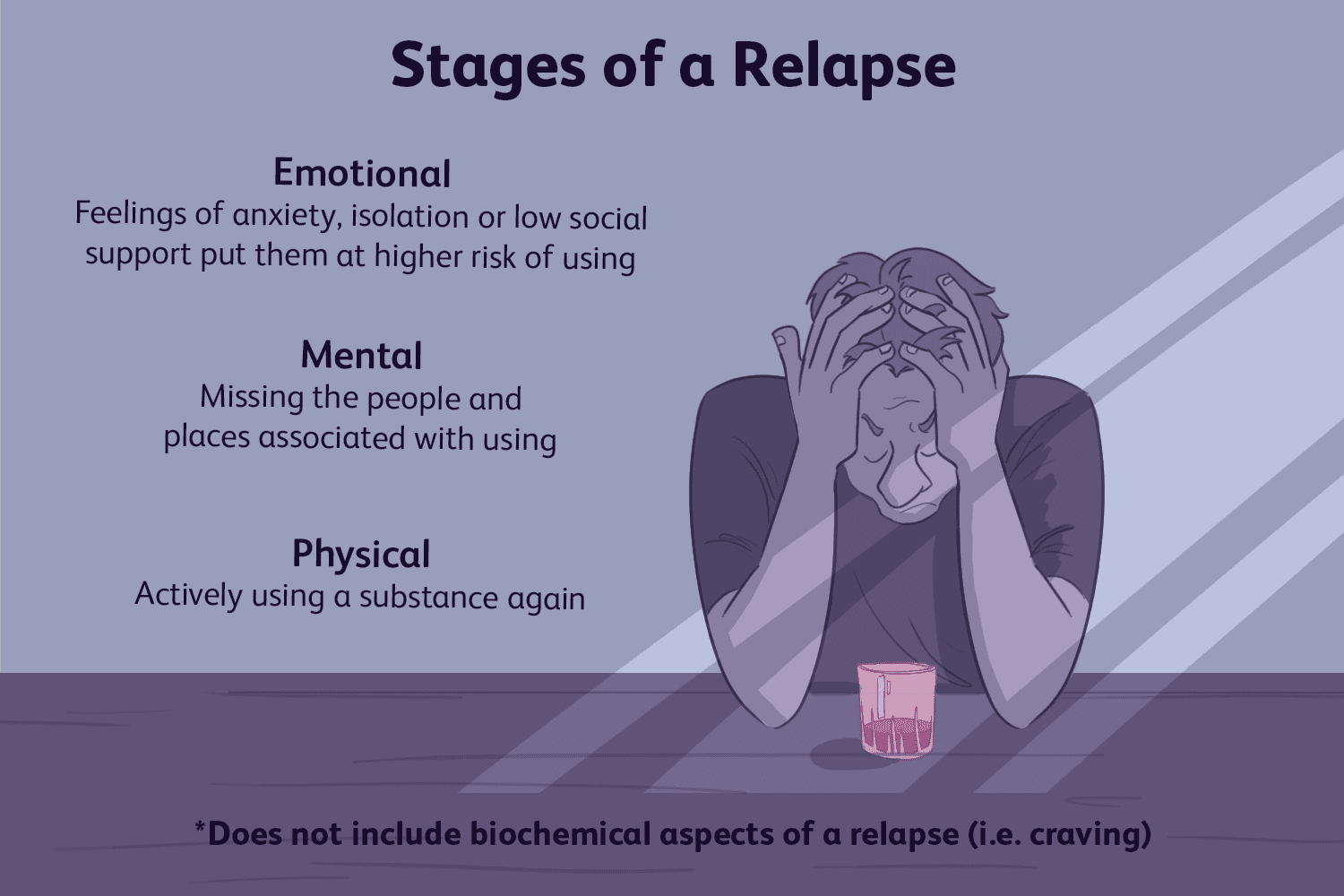 What Is Relapse? Understanding Why It Happens and How It Can Be Prevented21 Jun 2026 Mental Health
 -
 What Is Recovery in Addiction? Understanding the Journey Beyond Sobriety21 Jun 2026 Mental Health
 -
 My Husband Is Addicted to Heroin: What Should I Do?21 Jun 2026 Mental Health
 -
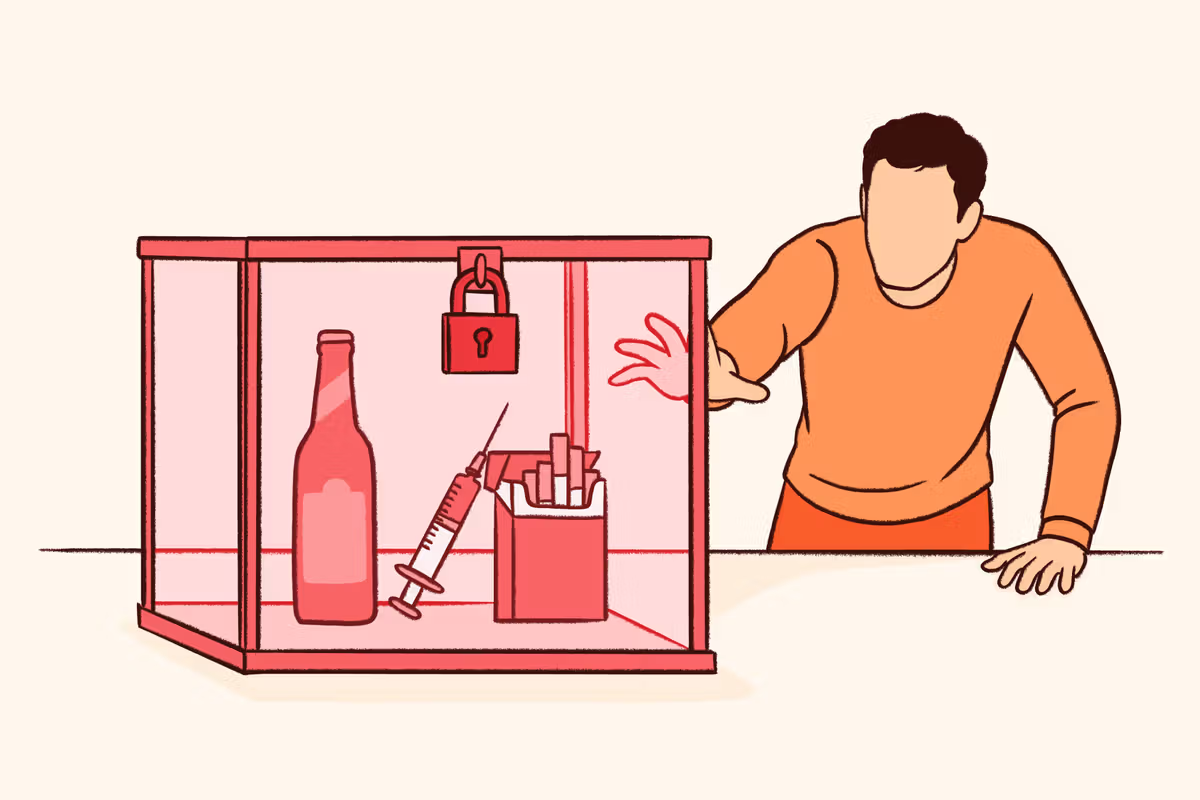 Managing Cravings in Addiction Treatment and Beyond20 Jun 2026 Mental Health
Home » When Should Families Consider Inpatient Rehab?
When Should Families Consider Inpatient Rehab?
- Written By Dr. M.Shoaib Zafar
- Date: 20-06-2026
Families should consider inpatient rehab when addiction causes withdrawal symptoms, repeated failed attempts to quit, dangerous behaviors, severe cravings, co-occurring mental health problems, or significant disruption to daily life. Inpatient treatment provides 24-hour support, medical supervision, and structured recovery services.
Watching a loved one struggle with addiction can be overwhelming and heartbreaking. Many families hope that the individual will stop using drugs or alcohol on their own, but addiction is a complex, chronic health condition that often requires professional treatment. One of the most important decisions families may face is determining when inpatient rehabilitation is necessary.
Meaning In Urdu:
خاندان کو اِن پیشنٹ ریہیب پر اُس وقت غور کرنا چاہیے جب نشہ چھوڑنے کی بار بار ناکام کوششیں ہوں، شدید خواہش (cravings)، خطرناک رویے، یا ذہنی و روزمرہ زندگی پر سنگین اثرات نظر آئیں۔ ایسے حالات میں اِن پیشنٹ علاج 24 گھنٹے نگرانی، طبی سہولت، اور منظم بحالی پروگرام فراہم کرتا ہے۔ کسی اپنے کو نشے میں مبتلا دیکھنا بہت مشکل ہوتا ہے، اور اکثر مؤثر بحالی کے لیے پیشہ ورانہ علاج ضروری ہوتا ہے۔

Assist. Prof. Dr.
Muhammad Shoaib Zafar
- Psychiatrist, Addiction Specialist
- M.B.B.S, M.D.(Psychiatry), Addiction Specialist
- 17 Years of Experience
What Is Inpatient Rehab?
Inpatient rehabilitation, also known as residential treatment, provides 24-hour medical, psychological, and therapeutic support in a structured environment. Individuals live at the treatment facility while receiving comprehensive care for substance use disorders and any co-occurring mental health conditions.
According to the National Institute on Drug Abuse (NIDA), effective addiction treatment should address not only substance use but also the medical, psychological, social, and behavioral problems associated with addiction (NIDA, 2024). At Revive Sobriety Center in Johar Town Lahore, treatment services are available for a range of substance use disorders, including ice (crystal methamphetamine), heroin, cannabis, alcohol, and prescription medication addiction along with psychiatric treatment and support. According to UNODC’s World Drug Report, hundreds of millions of people worldwide used drugs in the previous year, while only a fraction of individuals with drug use disorders received treatment. NIDA notes that addiction is a chronic but treatable medical condition that often requires ongoing care and support.
When Should Families Consider Inpatient Rehab for Addiction?
Families should consider inpatient rehabilitation in Lahore when addiction begins to significantly impair health, safety, relationships, or daily functioning. Common warning signs include:
- Repeated failed attempts to quit drugs or alcohol
- Severe cravings and loss of control over substance use
- Withdrawal symptoms when trying to stop
- Increasing tolerance and escalating substance use
- Drug-related legal, financial, or occupational problems
- Risky or dangerous behaviors while intoxicated
- Co-occurring depression, anxiety, psychosis, or other mental health conditions
- Family conflict, domestic violence, or social isolation
These indicators often suggest that a higher level of care is needed to achieve stabilization and recovery.
In our experience at Revive Sobriety Center, families often seek inpatient treatment after multiple failed attempts at home-based recovery or when addiction begins affecting safety, employment, or mental health.
When Outpatient Treatment May Not Be Enough
While outpatient programs are effective for many individuals, some patients require a more intensive treatment setting. The United Nations Office on Drugs and Crime (UNODC) and the World Health Organization (WHO) recommend inpatient or residential treatment for individuals with severe or complex substance use disorders, significant psychiatric symptoms, unstable living situations, or repeated treatment failures in lower levels of care (UNODC/WHO, 2020).
Inpatient rehab removes individuals from environments that may trigger substance use and provides continuous monitoring, support, and accountability.
Is Inpatient Rehab Better Than Outpatient Treatment?
The best treatment option depends on the severity of addiction, the individual’s medical and mental health needs, and their recovery environment. According to the National Institute on Drug Abuse (NIDA), no single treatment approach is appropriate for everyone, and treatment should be tailored to the individual’s specific needs. However, inpatient rehabilitation is often recommended for people with severe substance use disorders, repeated relapses, co-occurring mental health conditions, unstable living situations, or significant withdrawal risks.
Inpatient rehab provides 24-hour supervision, structured daily routines, medically supervised detoxification when needed, and continuous therapeutic support. This environment helps reduce exposure to triggers and allows individuals to focus entirely on recovery. In contrast, outpatient treatment enables individuals to remain at home while attending scheduled therapy and treatment sessions, making it suitable for those with milder addiction and strong family support systems.
The United Nations Office on Drugs and Crime (UNODC) and the World Health Organization (WHO) state that residential treatment can be particularly beneficial for individuals with complex or severe substance use disorders who require intensive, round-the-clock care. Ultimately, the most effective treatment is the one that matches the individual’s clinical needs and provides adequate support for long-term recovery.
What Happens During Inpatient Rehab?
Inpatient rehabilitation provides a structured, supportive environment where individuals can focus entirely on recovery. Treatment typically begins with a comprehensive assessment to evaluate substance use, physical health, mental health, and individual treatment needs. If necessary, medically supervised detoxification helps manage withdrawal symptoms safely. Patients then participate in individual counseling, group therapy, psychoeducation, relapse prevention training, and family counseling. According to NIDA, effective treatment addresses the whole person, including medical, psychological, social, and behavioral needs. UNODC and WHO emphasize that residential treatment should provide evidence-based care, ongoing monitoring, and personalized recovery planning to support long-term sobriety and successful community reintegration.
The Benefits of Inpatient Rehabilitation
Residential treatment in Lahore offers several advantages, including:
- 24-hour professional supervision
- Safe and medically managed detoxification
- Structured daily routines
- Individual and group therapy
- Psychiatric assessment and treatment
- Family counseling and education
- Relapse prevention planning
This intensive approach allows individuals to focus entirely on recovery while developing the skills needed for long-term sobriety.
How Families Can Help
Families often play a critical role in recovery. Encouraging treatment, participating in family therapy, and learning about addiction can significantly improve treatment outcomes. NIDA emphasizes that addiction affects the entire family system and that family involvement can strengthen recovery and reduce relapse risk.
Frequently Asked Questions:
1. When Is Inpatient Rehab Necessary?
Inpatient rehabilitation may be necessary when addiction becomes severe, persistent, or dangerous. Warning signs include repeated failed attempts to quit, significant withdrawal symptoms, frequent relapses, co-occurring mental health disorders, risky behaviors, or an unstable home environment. According to NIDA, individuals with more severe substance use disorders often require intensive treatment and ongoing support to achieve recovery.
2. How Long Does Inpatient Rehab Last?
The length of inpatient rehabilitation varies depending on the individual’s needs, the severity of addiction, and treatment progress. Many residential programs range from 28 to 90 days, although some individuals may benefit from longer treatment. NIDA notes that remaining in treatment for an adequate period of time is associated with better outcomes, and treatment duration should be based on clinical need rather than a fixed timeline.
3. Is Inpatient Rehab Effective?
Yes. Research shows that inpatient rehabilitation can be highly effective for individuals with moderate to severe substance use disorders. Residential treatment provides a structured environment, 24-hour support, counseling, relapse prevention planning, and treatment for co-occurring mental health conditions. Both NIDA and UNODC emphasize that treatment outcomes improve when care is individualized and continued through aftercare and recovery support services.
4. Can Ice (Crystal Meth) Addiction Be Treated in Inpatient Rehab?
Yes. Inpatient rehabilitation is often recommended for individuals struggling with severe ice (crystal methamphetamine) addiction, particularly when there are psychiatric symptoms, intense cravings, repeated relapses, or significant impairment in daily functioning. Residential treatment provides a safe and structured environment where patients can receive medical monitoring, psychological therapy, psychiatric care, and relapse prevention support.
5. What Inpatient Rehab Options Are Available in Lahore?
Several rehabilitation centers in Lahore provide residential addiction treatment services. Families should look for programs that offer comprehensive assessment, medically supervised detoxification when necessary, psychiatric support, psychological counseling, family involvement, and evidence-based addiction treatment. Seeking care from qualified addiction specialists can help ensure that treatment is tailored to the individual’s needs and recovery goals.
Conclusion
Families should consider inpatient rehab when addiction becomes severe, dangerous, persistent, or resistant to outpatient treatment. Early intervention can prevent further physical, psychological, and social harm while increasing the likelihood of successful recovery. Seeking professional assessment at the first signs of serious addiction can help individuals receive the level of care most appropriate for their needs.