
Assist. Prof.
Dr. Muhammad Shoaib Zafar
- Psychiatrist, Addiction Specialist
- M.B.B.S, M.D. (Psychiatry), B.Sc, Addiction Specialist
- 17 Years of Experience
Latest Blog Post
-
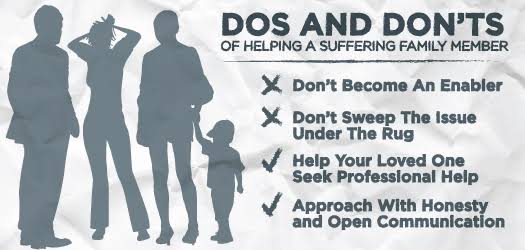 Family Guide to Handling a Loved One with Addiction: Do's and Don'ts15 Jul 2026 Mental Health
 -
 How Families Can Prevent Relapse: A Practical Guide to Supporting Long-Term Recovery15 Jul 2026 Mental Health
 -
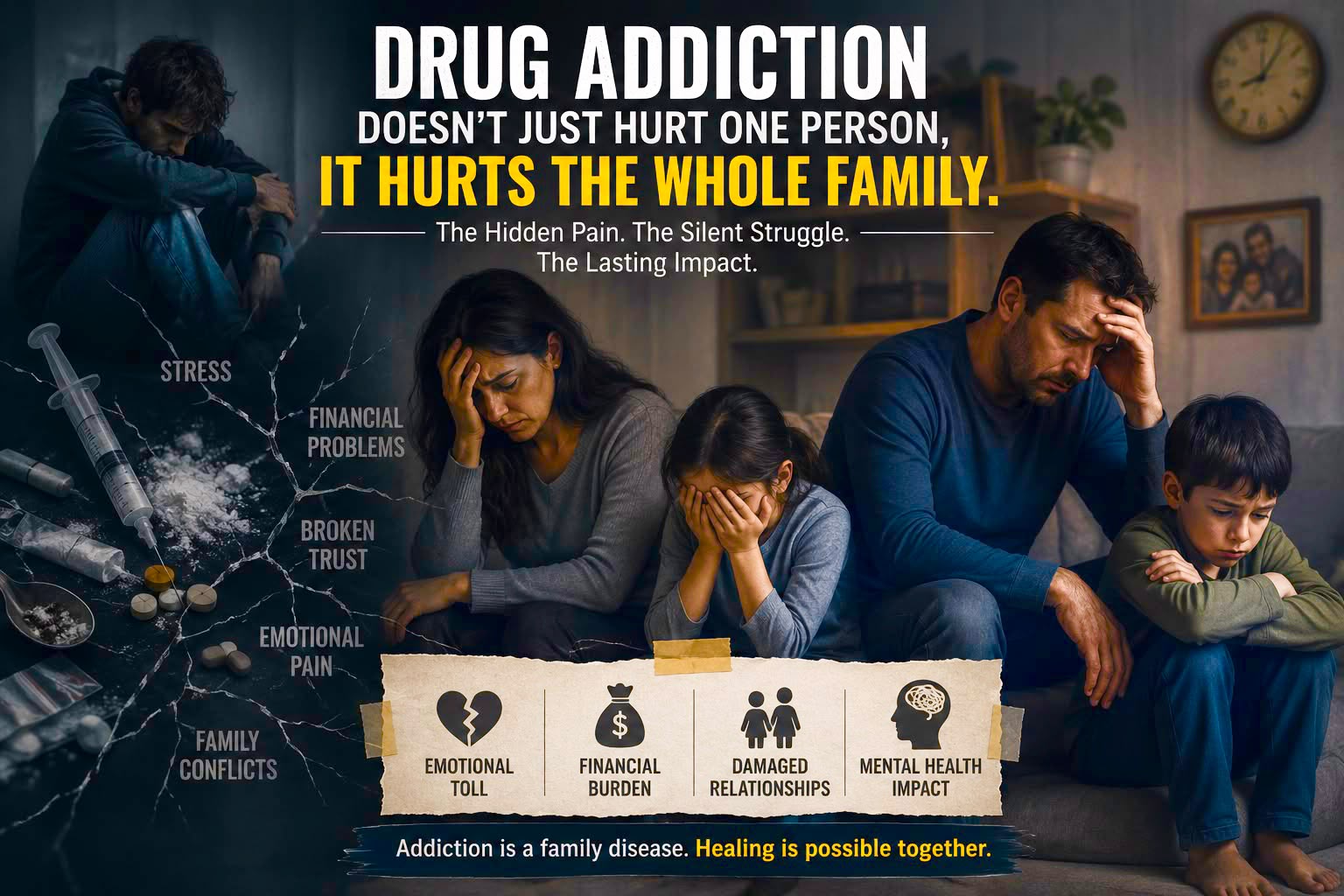 How Drug Addiction Affects Families: The Hidden Pain Behind Substance Abuse15 Jul 2026 Drug Addiction
 -
 Avoid Enabling Behaviors: How Families Can Support Recovery Without Making Addiction Worse15 Jul 2026 Drug Addiction
 -
 Myths and Facts of Addiction: Separating Truth from Misconceptions22 Jun 2026 Drug Addiction
Home » What Makes Ice Addiction Different from Other Addictions?
What Makes Ice Addiction Different from Other Addictions?
- Written By Dr. M.Shoaib Zafar
- Date: 19-06-2026
In recent years, the use of Ice, also known as crystal methamphetamine, has become a growing concern in Pakistan. Families often notice dramatic changes in behavior, mental health, and physical appearance in a relatively short period of time. While all forms of addiction can have serious consequences, ice addiction presents unique challenges that make it different from many other substance use disorders.
Understanding what sets ice addiction apart can help families recognize the warning signs early and seek appropriate treatment.
Meaning In Urdu:
حالیہ برسوں میں پاکستان میں آئس (کرسٹل میتھ) کا استعمال تیزی سے بڑھتا ہوا ایک سنگین مسئلہ بن گیا ہے۔ اس کے استعمال سے کم وقت میں رویے، ذہنی صحت اور جسمانی حالت میں نمایاں تبدیلیاں آ سکتی ہیں۔ آئس کی لت دیگر نشوں کے مقابلے میں زیادہ خطرناک ہو سکتی ہے، اس لیے ابتدائی علامات کو پہچاننا بہت ضروری ہے۔

Assist. Prof. Dr.
Muhammad Shoaib Zafar
- Psychiatrist, Addiction Specialist
- M.B.B.S, M.D.(Psychiatry), Addiction Specialist
- 17 Years of Experience
Ice Addiction vs. Heroin Addiction
The following comparison highlights some of the key differences between ice addiction and heroin addiction.
-
Ice: Stimulant
Heroin: Opioid -
Ice: Severe psychological cravings
Heroin: Severe physical withdrawal -
Ice: Increased energy
Heroin: Sedation
-
Ice: High risk of psychosis
Heroin: High risk of overdose -
Ice: Sleep deprivation
Heroin: Respiratory depression
What Is Ice?
Ice is a highly potent and addictive stimulant that affects the central nervous system. Unlike opioids such as heroin, which slow down brain activity, ice significantly increases energy, alertness, and feelings of euphoria.
However, these effects come at a high cost. Repeated use can quickly lead to dependence, severe mental health problems, and long-term damage to the brain and body.
Ice Creates Intense Psychological Dependence
One of the key differences between ice addiction and many other addictions is the intensity of psychological cravings.
People who use ice often experience a powerful desire to repeat the intense feelings of confidence, energy, and pleasure associated with the drug. These cravings can persist long after a person stops using the substance.
While heroin addiction is often associated with severe physical withdrawal symptoms, ice addiction is more strongly linked to intense emotional and psychological dependence.
Ice Can Trigger Severe Mental Health Symptoms
Ice use is closely associated with serious mental health complications.
Long-term users may experience:
- Extreme anxiety
- Depression
- Aggressive behavior
- Paranoia
- Hallucinations
- Delusions
- Sleep disturbances
In some cases, individuals develop a condition known as methamphetamine-induced psychosis, which can resemble schizophrenia.
These symptoms can persist even after drug use stops, making treatment more complex.
Rapid Changes in Behavior and Appearance
Ice addiction often causes noticeable changes in a short period.
Families may observe:
- Significant weight loss
- Neglect of personal hygiene
- Unusual bursts of energy
- Increased secrecy
- Financial problems
- Mood swings
- Social isolation
Because these changes can develop quickly, family members are often shocked by how rapidly the addiction progresses.
High Risk of Relapse
Recovery from ice addiction can be particularly challenging due to intense cravings and the impact the drug has on the brain’s reward system.
Many individuals experience:
- Low motivation
- Difficulty experiencing pleasure
- Problems with concentration
- Persistent cravings
Without ongoing therapy, family support, and relapse prevention planning, the risk of returning to ice use can remain high.
Ice Withdrawal Symptoms
Unlike heroin withdrawal, which is often associated with intense physical symptoms, ice withdrawal primarily affects a person’s mental and emotional well-being.
When individuals stop using ice, they may experience:
- Extreme fatigue and lack of energy
- Depression and feelings of hopelessness
- Anxiety and irritability
- Increased appetite
- Sleep disturbances, including excessive sleeping or insomnia
- Difficulty concentrating
- Intense cravings for the drug
These symptoms can begin within the first 24 hours after the last use and may persist for several weeks. The emotional discomfort associated with ice withdrawal often contributes to the high risk of relapse.
Because withdrawal symptoms can significantly affect mood, motivation, and mental health, professional support is strongly recommended. Medical supervision, counseling, and ongoing therapy can help individuals manage cravings and navigate the early stages of recovery more safely and effectively.
Why Early Treatment Matters in Lahore
In Lahore and other major cities of Pakistan, addiction specialists are reporting increased concerns about ice use among young adults and professionals.
Unfortunately, social stigma often prevents families from seeking help until the addiction becomes severe.
Early intervention and professional treatment can significantly improve recovery outcomes and reduce the risk of long-term physical and psychological complications.
How Is Ice Addiction Treated?
Effective treatment for ice addiction typically includes:
- Medical assessment and detoxification
- Individual counseling
- Cognitive behavioral therapy (CBT)
- Family therapy
- Mental health support
- Relapse prevention planning
Because ice addiction frequently affects both mental health and behavior, treatment should address the underlying emotional and psychological factors contributing to substance use.
Frequently Asked Questions:
1. Is ice more addictive than heroin?
Both substances are highly addictive, but ice is often associated with stronger psychological cravings, while heroin typically causes more severe physical dependence.
2. Can ice addiction cause permanent brain damage?
Long-term ice use can affect memory, decision-making, and emotional regulation. Early treatment may help reduce the risk of lasting damage.
3. What Are the First Signs of Ice Addiction?
Early signs of ice addiction can appear quickly and often involve noticeable changes in behavior, mood, and physical health. Common warning signs include unusual bursts of energy, decreased need for sleep, rapid weight loss, increased secrecy, irritability, mood swings, and a loss of interest in family, work, or social activities.
Individuals struggling with ice addiction may also experience financial problems, neglect personal hygiene, become more aggressive, or spend time with new social groups associated with drug use.
Because ice can affect the brain rapidly, these changes may develop within a relatively short period. Recognizing the early signs of ice addiction and seeking professional help as soon as possible can significantly improve recovery outcomes and reduce the risk of long-term physical and psychological complications.
4. How long does recovery from ice addiction take?
Recovery timelines vary from person to person. Many individuals benefit from ongoing therapy and support for several months or longer.
5. Can someone recover from ice addiction without professional treatment?
Because of the intense psychological cravings and mental health challenges associated with ice use, professional treatment significantly improves the chances of long-term recovery.
Final thoughts
What makes ice addiction different from other addictions is its powerful psychological grip, rapid impact on behavior, and high risk of severe mental health complications.
Recovery is possible, but early treatment is essential. If you or someone you love is struggling with ice addiction, seeking professional help can be the first step toward rebuilding health, relationships, and long-term well-being.
Need help with ice addiction treatment in Lahore? Revive Sobriety Center provides confidential addiction treatment, family support, and recovery programs designed to help individuals achieve lasting sobriety.
If someone you love is struggling with ice addiction, early intervention can make a life-changing difference. Professional addiction treatment and family support can help individuals begin the journey toward lasting recovery before the consequences become even more severe.
The goal is not simply to stop substance use—it is to help individuals rebuild their health, relationships, and future through professional addiction treatment and ongoing support.
 Revive Sobriety Center – Addiction Recovery, Detoxification & Rehabilitation (Lahore)
 127 Google reviewsPosted on Google
 safa ijaz25. August, 2026Great experience.Posted on Google
 hira ijaz23. August, 2026Had a wonderful time at the “Meet Yourself”workshop today facilitated by the very multitalented Hamza, from Ables Mind cafe along with one of the incredible doctors in Lahore Dr Ejaz Hussain at Revive Sobriety Centre Lahore. Such a therapeutic & creative experience it was to get to know our actual emotions in a serene environment, along with likeminded people. ❤️❤️❤️Posted on Google
 Dr Ejaz23. August, 2026Got chance to moderate a workshop on "Meet yourself" at revive sobriety centre with Hamza Khan sherwani, today it was wonderful experience..Posted on Google
 Shazil Saleem23. August, 2026My first-time experience was excellent, and I felt very good mentally.Posted on Google
 Waseem Ali23. August, 2026Highly RecommendedPosted on Google
 Ghazala Malik23. August, 2026Happened to attend a workshop by Enable mind cafe and it came out to be a good learning event. Started with activities and ended with a delicious coffee by Hamza made specially for the attendies and a token plant by Revive. Loved the workshop. Thank you Dr.Ijaz, Hamza and team.