
Assist. Prof.
Dr. Muhammad Shoaib Zafar
- Psychiatrist, Addiction Specialist
- M.B.B.S, M.D. (Psychiatry), B.Sc, Addiction Specialist
- 17 Years of Experience
Latest Blog Post
-
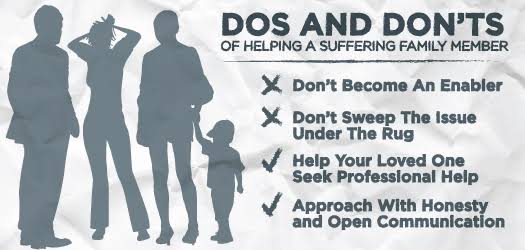 Family Guide to Handling a Loved One with Addiction: Do's and Don'ts15 Jul 2026 Mental Health
 -
 How Families Can Prevent Relapse: A Practical Guide to Supporting Long-Term Recovery15 Jul 2026 Mental Health
 -
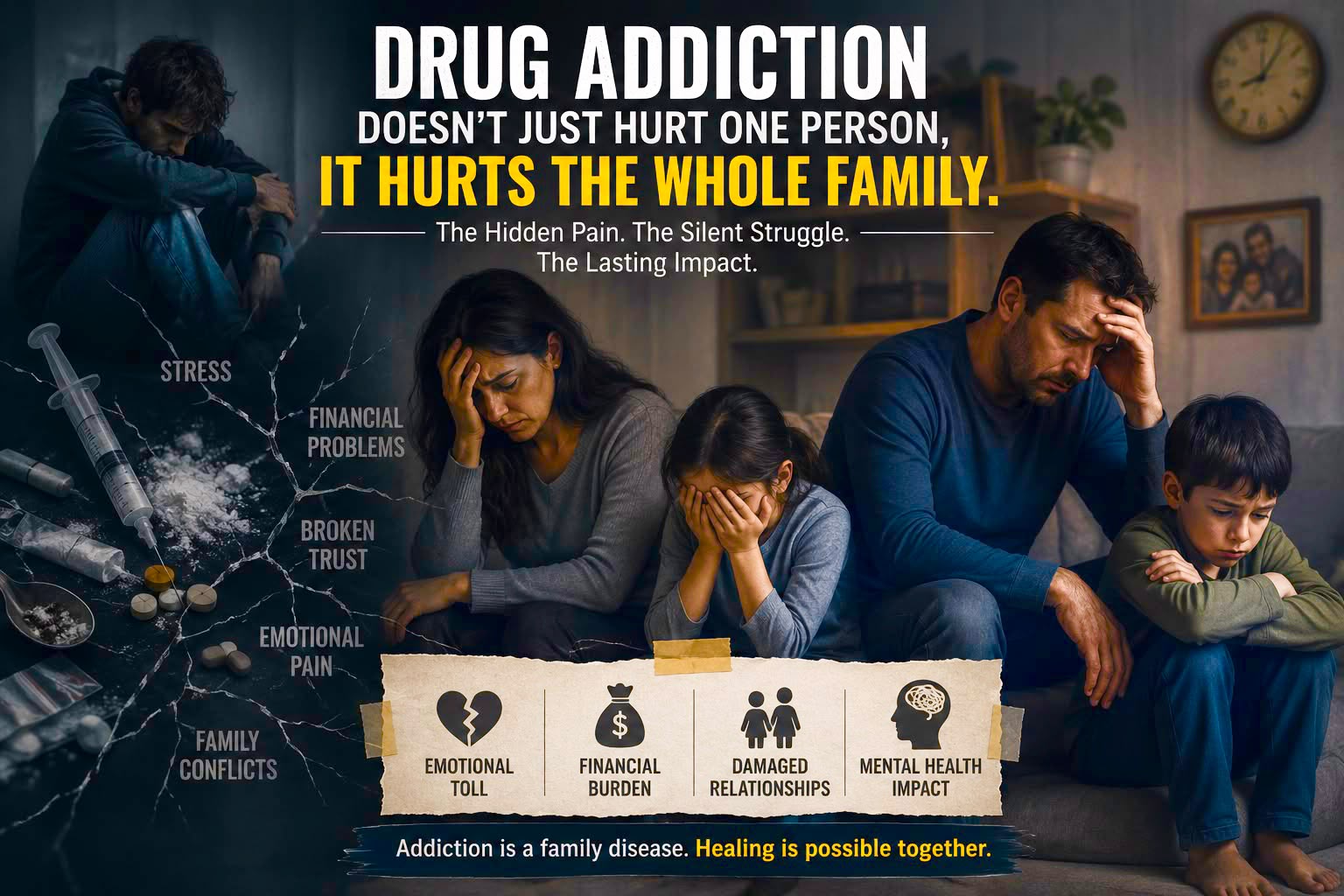 How Drug Addiction Affects Families: The Hidden Pain Behind Substance Abuse15 Jul 2026 Drug Addiction
 -
 Avoid Enabling Behaviors: How Families Can Support Recovery Without Making Addiction Worse15 Jul 2026 Drug Addiction
 -
 Myths and Facts of Addiction: Separating Truth from Misconceptions22 Jun 2026 Drug Addiction
Home » Can Ice Addiction Cause Permanent Brain Damage?
Can Ice Addiction Cause Permanent Brain Damage?
- Written By Dr. M.Shoaib Zafar
- Date: 19-06-2026
The growing use of Ice, also known as crystal methamphetamine, has become a serious concern in Pakistan. Families often notice rapid changes in a person’s behavior, emotions, and thinking, leading many to ask an important question: Can ice addiction cause permanent brain damage?
The short answer is yes. Long-term ice use can damage brain function and increase the risk of lasting cognitive and mental health problems. However, early treatment and sustained recovery may help some individuals regain lost function over time.
Meaning In Urdu:
پاکستان میں آئس (کرسٹل میتھ) کا بڑھتا ہوا استعمال ایک سنگین مسئلہ بن چکا ہے۔ اس کا مسلسل استعمال دماغی افعال کو متاثر کر سکتا ہے اور یادداشت، سوچنے کی صلاحیت اور ذہنی صحت پر دیرپا منفی اثرات ڈال سکتا ہے۔ تاہم بروقت علاج اور مستقل بحالی سے کچھ نقصان کو بہتر بنایا جا سکتا ہے۔

Assist. Prof. Dr.
Muhammad Shoaib Zafar
- Psychiatrist, Addiction Specialist
- M.B.B.S, M.D.(Psychiatry), Addiction Specialist
- 17 Years of Experience
How Ice Affects the Brain
Ice is a powerful stimulant that causes the brain to release large amounts of dopamine, a chemical associated with pleasure, motivation, and reward.
Repeated use overstimulates the brain’s reward system, making it increasingly difficult for individuals to experience enjoyment from normal daily activities. Over time, the brain becomes dependent on the drug to produce feelings of pleasure and energy.
Research published by the National Institute on Drug Abuse (NIDA) has shown that long-term methamphetamine use can alter brain regions involved in emotion, memory, and decision-making. This process can alter brain regions responsible for memory, decision-making, emotional regulation, and impulse control.
Neurotoxicity is one of the most serious consequences of ice (crystal methamphetamine) addiction. According to the National Institute on Drug Abuse (NIDA), chronic methamphetamine use can damage dopamine and serotonin systems in the brain, affecting memory, attention, decision-making, and emotional regulation. Research suggests that repeated exposure to methamphetamine triggers oxidative stress, neuro inflammation, mitochondrial dysfunction, and activation of microglial cells, all of which contribute to neuronal injury. Long-term users may experience cognitive impairment, mood disturbances, psychosis, and reduced executive functioning. Although some recovery of brain function is possible with sustained abstinence, prolonged methamphetamine use can result in lasting neurological damage.
Potential Long-Term Effects of Ice Addiction
Long-term ice use has been linked to several serious neurological and psychological problems, including:
- Memory loss
- Difficulty concentrating
- Poor decision-making
- Increased impulsive behavior
- Anxiety and depression
- Sleep disturbances
- Emotional instability
- Reduced ability to experience pleasure
Many individuals also struggle with persistent cravings, making recovery more challenging.
Can Ice Cause Psychosis?
One of the most serious risks associated with ice addiction is methamphetamine-induced psychosis.
Symptoms may include:
- Paranoia
- Hallucinations
- Delusions
- Aggressive behavior
- Extreme suspicion of others
In some cases, these symptoms improve after a person stops using ice. However, long-term or heavy use can increase the likelihood that psychotic symptoms persist even during recovery.
Is Brain Damage Permanent?
The extent of recovery varies from person to person and depends on several factors, including:
- How long the person used ice
- The amount and frequency of use
- Overall physical and mental health
- Access to professional treatment
- Ongoing support during recovery
Research suggests that some brain changes caused by ice use may improve over time with sustained abstinence. However, certain cognitive and emotional difficulties can persist, especially after prolonged use.
This is why early intervention is so important.
Why Early Treatment Matters in Lahore
In Lahore and other major cities of Pakistan, addiction specialists are seeing increasing numbers of individuals struggling with ice addiction.
Unfortunately, many families delay treatment because of social stigma or the belief that the person can stop using on their own. Waiting too long can increase the risk of long-term physical and psychological complications.
Seeking professional help as early as possible can improve recovery outcomes and reduce the likelihood of permanent damage.
How Is Ice Addiction Treated?
Effective treatment for ice addiction often includes:
- Medical assessment
- Individual counseling
- Cognitive behavioral therapy (CBT)
- Family therapy
- Mental health support
- Relapse prevention planning
Recovery is possible, and many individuals experience significant improvements in cognitive function and emotional well-being with ongoing treatment and support.
Frequently Asked Questions:
1. How quickly can ice affect the brain?
Some changes in mood, sleep, and behavior can occur after only a short period of use. Some changes in mood, sleep, and behavior can occur after only a short period of use. Prolonged ice use may affect areas of the brain responsible for learning, memory, emotional regulation, and decision-making. Long-term ice use can affect areas of the brain responsible for learning, memory, emotional regulation, and decision-making.
2. Can the brain heal after stopping ice use?
Many people experience improvements in memory, concentration, and emotional health during recovery, although the extent of healing varies.
3. What are the first signs of brain damage from ice use?
Common warning signs include memory problems, difficulty concentrating, mood swings, paranoia, and impaired decision-making.
4. Can professional treatment reduce the risk of permanent damage?
Yes. Early treatment and ongoing support can significantly improve recovery outcomes and reduce the risk of long-term complications.
5. Can Ice-Induced Psychosis Be Reversed?
In many cases, symptoms of ice-induced psychosis, such as paranoia, hallucinations, and delusions, improve after a person stops using the drug and receives professional treatment. However, long-term or heavy ice use may increase the risk of persistent mental health problems, particularly if treatment is delayed. Early intervention, medical support, and ongoing mental health care can significantly improve recovery outcomes and reduce the likelihood of lasting symptoms.
Final thoughts
Ice addiction can have serious effects on the brain, and long-term use may increase the risk of lasting cognitive and mental health problems. Families concerned about the effects of ice use may also benefit from learning about the early signs of ice addiction, withdrawal symptoms, and relapse prevention strategies.
Early intervention, professional treatment, and long-term recovery support can help individuals regain function, improve their quality of life, and reduce the risk of future complications.
If you or someone you love is experiencing memory problems, mood changes, or other effects of ice addiction, early professional treatment can improve recovery outcomes and reduce the risk of long-term complications. Revive Sobriety Center provides confidential ice addiction treatment in Lahore, family support, and personalized recovery programs designed to help individuals achieve lasting sobriety.
The goal is not simply to stop substance use—it is to help individuals rebuild their health, relationships, and future through professional addiction treatment and ongoing support.
 Revive Sobriety Center – Addiction Recovery, Detoxification & Rehabilitation (Lahore)
 127 Google reviewsPosted on Google
 safa ijaz25. August, 2026Great experience.Posted on Google
 hira ijaz23. August, 2026Had a wonderful time at the “Meet Yourself”workshop today facilitated by the very multitalented Hamza, from Ables Mind cafe along with one of the incredible doctors in Lahore Dr Ejaz Hussain at Revive Sobriety Centre Lahore. Such a therapeutic & creative experience it was to get to know our actual emotions in a serene environment, along with likeminded people. ❤️❤️❤️Posted on Google
 Dr Ejaz23. August, 2026Got chance to moderate a workshop on "Meet yourself" at revive sobriety centre with Hamza Khan sherwani, today it was wonderful experience..Posted on Google
 Shazil Saleem23. August, 2026My first-time experience was excellent, and I felt very good mentally.Posted on Google
 Waseem Ali23. August, 2026Highly RecommendedPosted on Google
 Ghazala Malik23. August, 2026Happened to attend a workshop by Enable mind cafe and it came out to be a good learning event. Started with activities and ended with a delicious coffee by Hamza made specially for the attendies and a token plant by Revive. Loved the workshop. Thank you Dr.Ijaz, Hamza and team.