
Assist. Prof.
Dr. Muhammad Shoaib Zafar
- Psychiatrist, Addiction Specialist
- M.B.B.S, M.D. (Psychiatry), B.Sc, Addiction Specialist
- 17 Years of Experience
Latest Blog Post
-
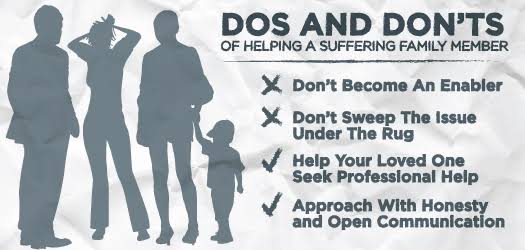 Family Guide to Handling a Loved One with Addiction: Do's and Don'ts15 Jul 2026 Mental Health
 -
 How Families Can Prevent Relapse: A Practical Guide to Supporting Long-Term Recovery15 Jul 2026 Mental Health
 -
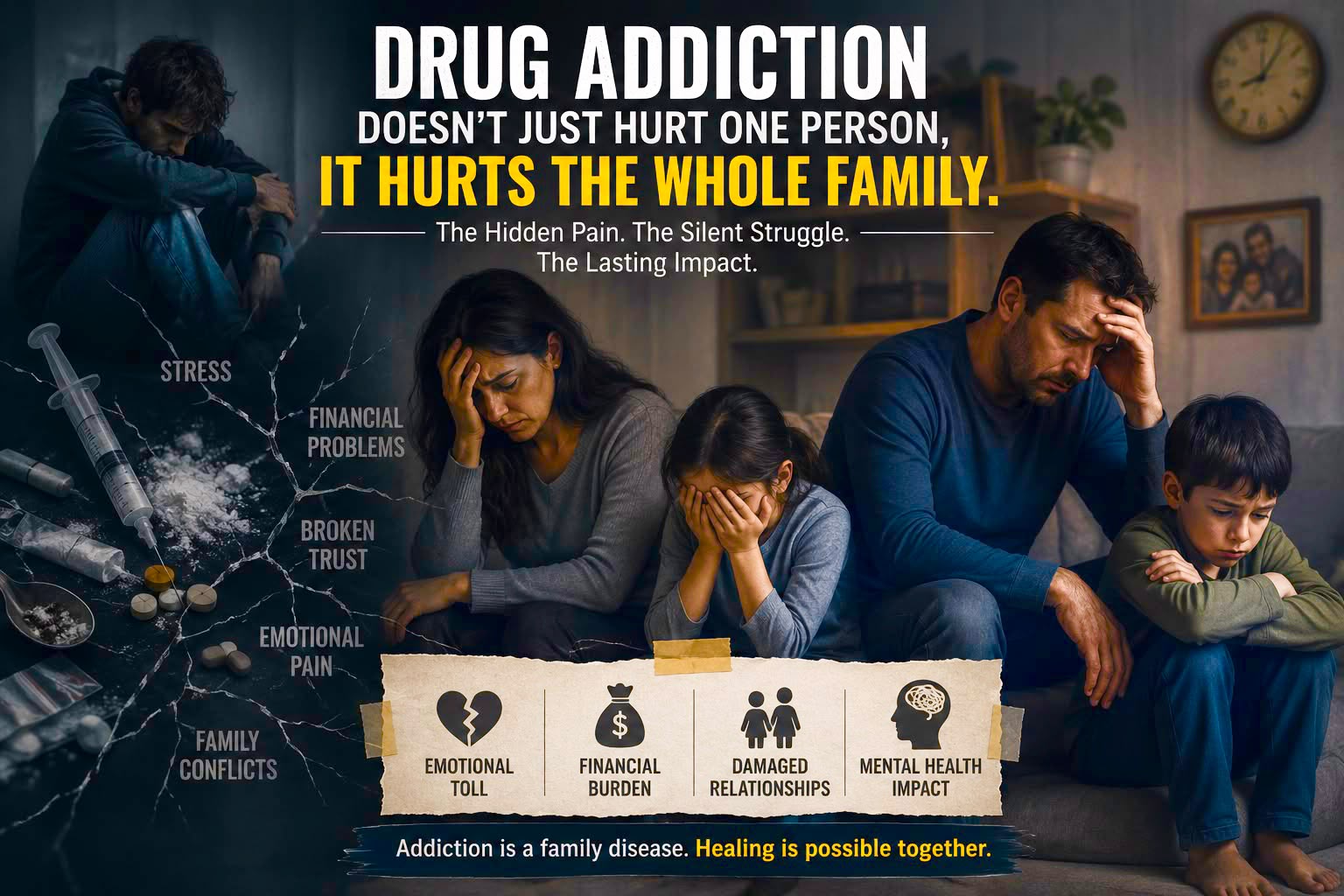 How Drug Addiction Affects Families: The Hidden Pain Behind Substance Abuse15 Jul 2026 Drug Addiction
 -
 Avoid Enabling Behaviors: How Families Can Support Recovery Without Making Addiction Worse15 Jul 2026 Drug Addiction
 -
 Myths and Facts of Addiction: Separating Truth from Misconceptions22 Jun 2026 Drug Addiction
Home » Is your Child into Ice Addiction: Warning Signs
Is your Child into Ice Addiction; Warning Signs
- Written By Dr. M.Shoaib Zafar
- Date: 17-06-2026
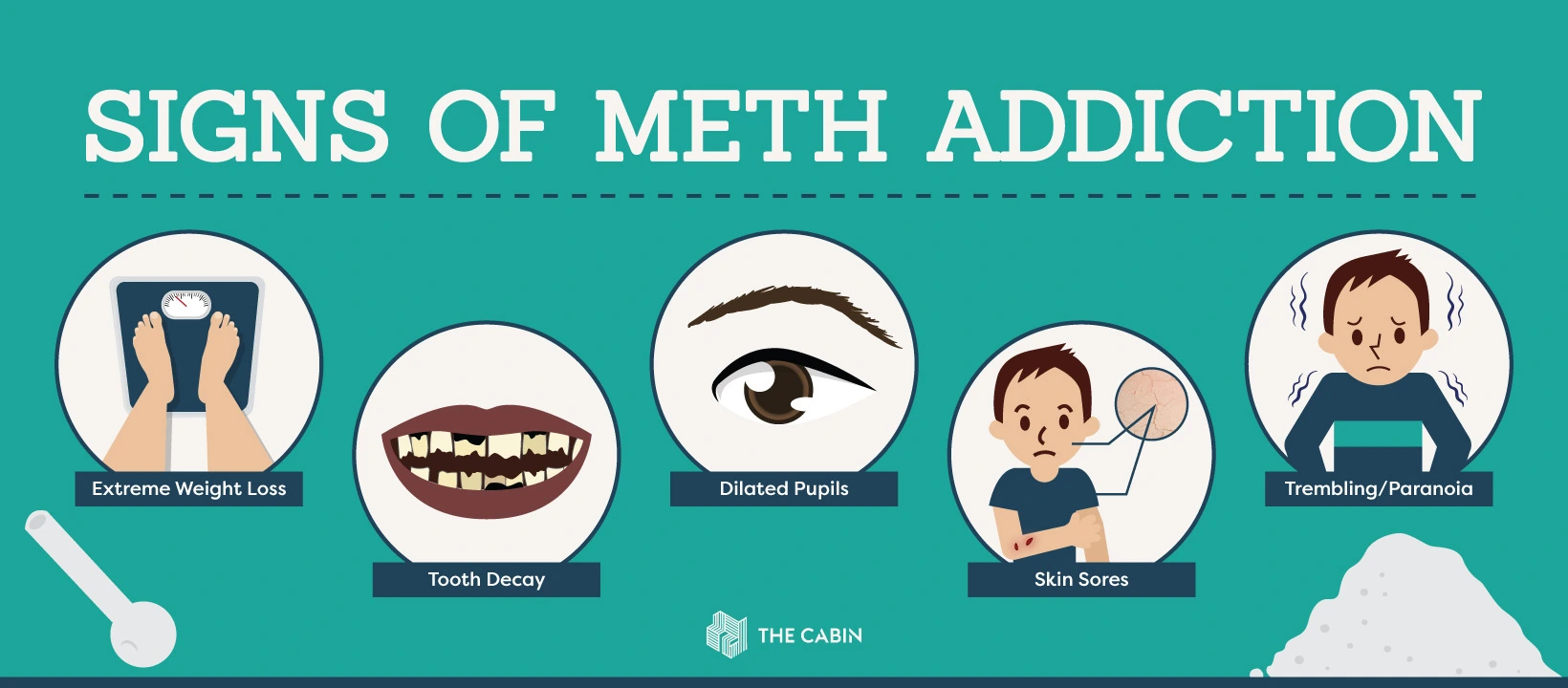
A Parent’s Guide to Recognizing Crystal Meth Abuse Early
Few things are more frightening for parents than watching their child change before their eyes without understanding why. In recent years, Ice (Crystal Methamphetamine) has become one of the most dangerous and addictive drugs affecting young people in Pakistan, including Lahore.
Many parents initially mistake the symptoms of ice addiction for teenage mood swings, stress, depression, or academic pressure. Unfortunately, delaying intervention can allow the addiction to become deeply rooted.
Recognizing the warning signs early can significantly improve the chances of successful recovery. Ice is a powerful stimulant that can rapidly affect behavior, sleep, appetite, emotions, and decision-making.
Meaning In Urdu:
والدین کے لیے یہ سمجھنا مشکل ہوتا ہے کہ ان کے بچے کے رویے میں اچانک تبدیلی کیوں آ رہی ہے، جبکہ آئس (کرسٹل میتھ) پاکستان میں نوجوانوں کے لیے ایک خطرناک اور تیزی سے پھیلنے والا نشہ بن چکا ہے۔ اس کے ابتدائی اثرات اکثر ذہنی دباؤ یا موڈ سوئنگز سمجھے جاتے ہیں، مگر بروقت علامات پہچان کر علاج شروع کرنا کامیاب بحالی کے امکانات بڑھا سکتا ہے۔

Assist. Prof. Dr.
Muhammad Shoaib Zafar
- Psychiatrist, Addiction Specialist
- M.B.B.S, M.D.(Psychiatry), Addiction Specialist
- 17 Years of Experience
Table of Contents:
- What Is Ice (Crystal Meth)?
- Signs indicating Ice Abuse
- Sudden Changes in Sleep Patterns
- Rapid and Unexplained Weight Loss
- Extreme Mood Swings
- Declining Academic Performance
- Increased Secrecy and Isolation
- Hyperactivity and Excessive Talking
- Skin problems and Unexplained Sores
- Dental Problems ("Meth Mouth")
- Paranoia and Suspicious Behavior
- Missing Money or Unexplained Financial Problems
- What Should Parents Do?
- Recovery Is Possible
What Is Ice (Crystal Meth)?
Ice, commonly known as crystal meth, is a highly addictive stimulant drug that creates intense feelings of energy, confidence, and euphoria. Users often experience a temporary “high” followed by severe crashes, anxiety, irritability, and cravings. Repeated use can quickly lead to dependence and addiction.
Signs indicating Ice Abuse
- Sudden Changes in Sleep Patterns
- Rapid and Unexplained Weight Loss
- Extreme Mood Swings
- Declining Academic Performance
- Increased Secrecy and Isolation
- Hyperactivity and Excessive Talking
- Skin problems and Unexplained Sores
- Dental Problems ("Meth Mouth")
- Paranoia and Suspicious Behavior
- Missing Money or Unexplained Financial Problems
1. Sudden Changes in Sleep Patterns
One of the earliest signs of ice use is dramatic disruption in sleep.
Your child may:
- Stay awake all night
- Go several days with little sleep
- Suddenly sleep for extremely long periods afterward
- Appear restless and unable to relax
Methamphetamine is a powerful stimulant that can keep users awake for extended periods before they eventually crash into exhaustion.
2. Rapid and Unexplained Weight Loss
Many parents notice weight loss before anything else.
Signs include:
- Reduced appetite
- Skipping meals
- Noticeably thinner appearance
- Loose clothing
Crystal meth suppresses appetite and often leads to significant weight loss over a relatively short period.
3. Extreme Mood Swings
A child using ice may display emotions that seem disproportionate or unpredictable.
Examples include:
- Irritability
- Aggression
- Anxiety
- Sudden anger
- Unusual excitement
- Depression after periods of hyperactivity
These mood fluctuations often become more severe as addiction progresses.
4. Declining Academic Performance
Many interventions fail because emotions become overwhelming. Family members should avoid yelling, threatening, or arguing.
A calm and supportive approach helps reduce defensiveness and increases the likelihood that the individual will listen.
4. Present a Clear Treatment Plan
Many students who begin using ice experience a noticeable decline in school, college, or university performance.
Warning signs include:
- Missing classes
- Falling grades
- Loss of interest in studies
- Increased disciplinary issues
- Difficulty concentrating
Parents frequently report that previously motivated children suddenly stop caring about education or future goals.
5. Increased Secrecy and Isolation
A child struggling with addiction may become increasingly secretive.
You may notice:
- Locked doors
- Hidden phones
- Deleting messages
- Unexplained absences
- Lying about whereabouts
- Avoiding family gatherings
Significant changes in social circles and secretive behavior are commonly reported warning signs.
6. Hyperactivity and Excessive Talking
Ice users often appear unusually energetic.
Your child may:
- Talk excessively
- Move constantly
- Appear restless
- Jump rapidly between topics
- Seem unusually confident or invincible
Periods of extreme energy are common during methamphetamine intoxication.
7. Skin problems and Unexplained Sores
One danger sign is skin diseases and compulsive scratching or skin picking.
Parents may observe:
- Open sores
- Scratches on arms and face
- Frequent itching
- Slow healing wounds
Chronic meth use can cause sensations that lead users to repeatedly scratch their skin.
8. Dental Problems ("Meth Mouth")
Ice addiction can severely affect oral health.
Warning signs include:
- Bad breath
- Tooth decay
- Bleeding gums
- Broken teeth
- Poor oral hygiene
Dental deterioration is a well-documented consequence of prolonged methamphetamine use.
9. Paranoia and Suspicious Behavior
As addiction progresses, some individuals begin experiencing severe psychological symptoms.
These may include:
- Constant suspicion
- Fear that others are watching them
- Accusations against family members
- Hallucinations
- Hearing or seeing things that are not there
Paranoia and psychosis can occur with prolonged methamphetamine use and require immediate professional attention.
10. Missing Money or Unexplained Financial Problems
Addiction often becomes expensive.
Parents may notice:
- Repeated requests for money
- Missing valuables
- Borrowing from friends
- Selling personal belongings
Financial problems frequently emerge as the need to obtain drugs increases.
What Should Parents Do?
If you notice one or two signs, it does not automatically mean your child is using drugs. However, when several of these symptoms appear together and persist over time, it is important to take the situation seriously.
Avoid:
- Aggressive confrontation
- Public shaming
- Threats and ultimatums
- Ignoring the problem
Instead:
- Speak calmly and privately
- Express concern rather than anger
- Document behavioral changes
- Seek professional assessment early
Experts consistently emphasize that early intervention improves recovery outcomes.
Recovery Is Possible
Ice addiction can affect anyone regardless of age, education, or family background. The good news is that recovery is possible with proper medical care, counseling, family support, and professional rehabilitation.
The earlier treatment begins, the better the chances of preventing long-term damage to physical health, mental well-being, education, relationships, and future opportunities.
 Revive Sobriety Center – Addiction Recovery, Detoxification & Rehabilitation (Lahore)
 127 Google reviewsPosted on Google
 safa ijaz25. August, 2026Great experience.Posted on Google
 hira ijaz23. August, 2026Had a wonderful time at the “Meet Yourself”workshop today facilitated by the very multitalented Hamza, from Ables Mind cafe along with one of the incredible doctors in Lahore Dr Ejaz Hussain at Revive Sobriety Centre Lahore. Such a therapeutic & creative experience it was to get to know our actual emotions in a serene environment, along with likeminded people. ❤️❤️❤️Posted on Google
 Dr Ejaz23. August, 2026Got chance to moderate a workshop on "Meet yourself" at revive sobriety centre with Hamza Khan sherwani, today it was wonderful experience..Posted on Google
 Shazil Saleem23. August, 2026My first-time experience was excellent, and I felt very good mentally.Posted on Google
 Waseem Ali23. August, 2026Highly RecommendedPosted on Google
 Ghazala Malik23. August, 2026Happened to attend a workshop by Enable mind cafe and it came out to be a good learning event. Started with activities and ended with a delicious coffee by Hamza made specially for the attendies and a token plant by Revive. Loved the workshop. Thank you Dr.Ijaz, Hamza and team.