

Assist. Prof.
Dr. Muhammad Shoaib Zafar
- Psychiatrist, Addiction Specialist
- M.B.B.S, M.D. (Psychiatry), B.Sc, Addiction Specialist
- 17 Years of Experience
Latest Blog Post
-
 Myths and Facts of Addiction: Separating Truth from Misconceptions22 Jun 2026 Mental Health
 -
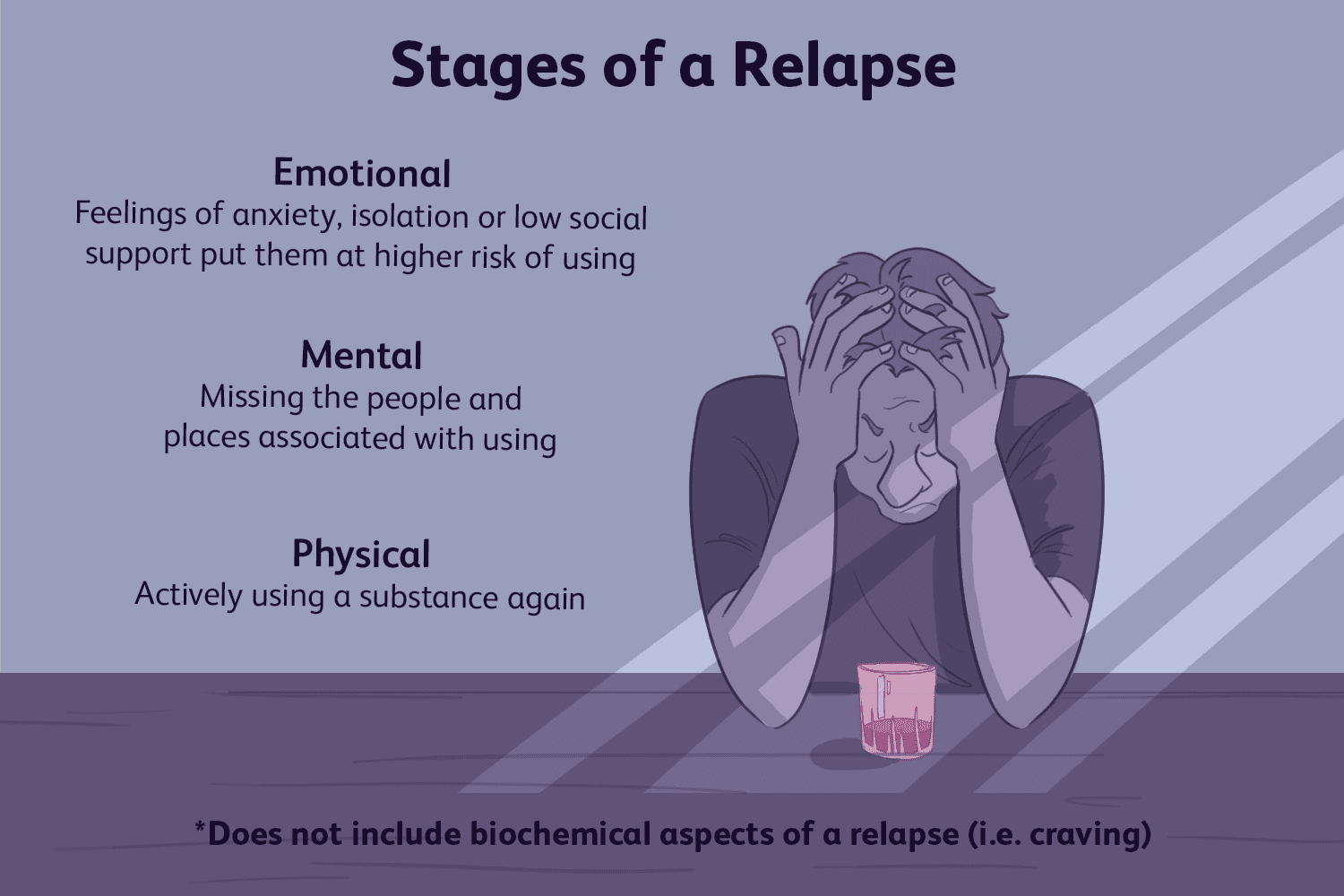 What Is Relapse? Understanding Why It Happens and How It Can Be Prevented21 Jun 2026 Mental Health
 -
 What Is Recovery in Addiction? Understanding the Journey Beyond Sobriety21 Jun 2026 Mental Health
 -
 My Husband Is Addicted to Heroin: What Should I Do?21 Jun 2026 Mental Health
 -
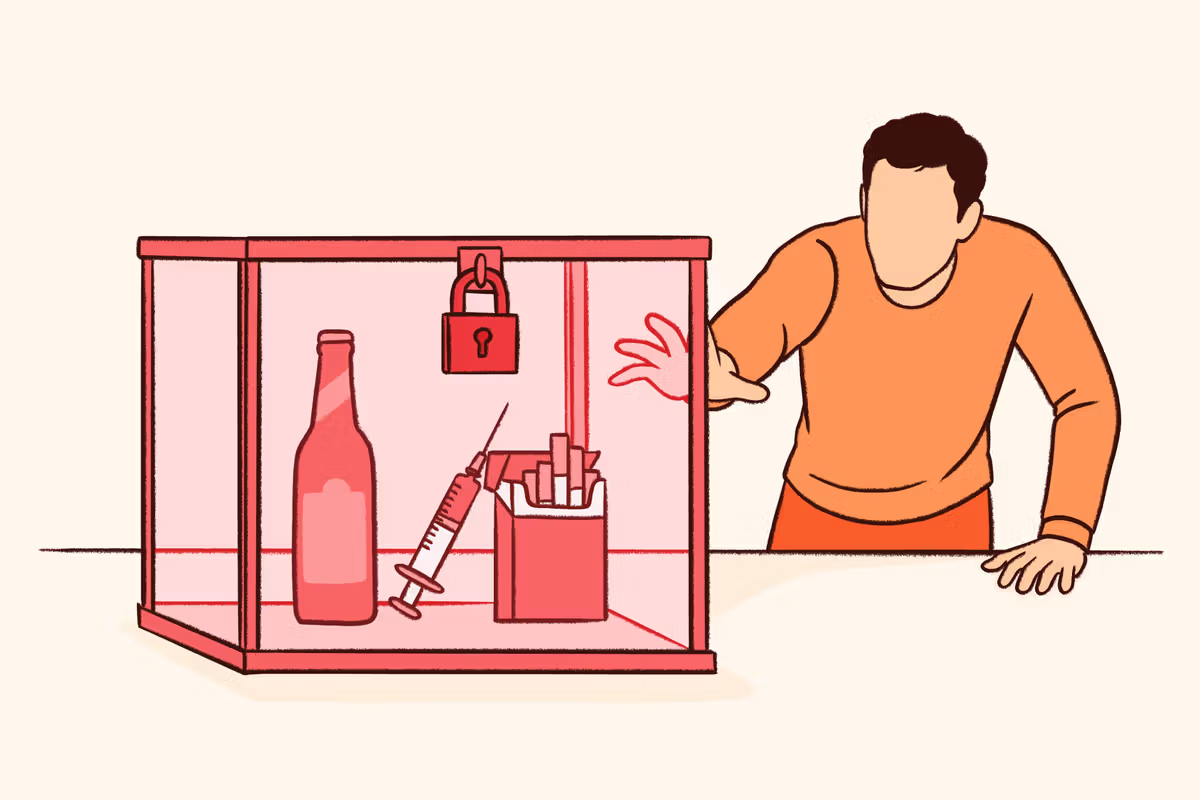 Managing Cravings in Addiction Treatment and Beyond20 Jun 2026 Mental Health
Home » Why Families Delay Addiction Treatment In Pakistan
Why Families Delay Addiction Interventions in Pakistan: Understanding the Barriers to Early Treatment
- Written By Dr. Hamza Hafeez
- Date: 15-06-2026

When a loved one develops a heroin addiction, families often recognize that something is wrong long before they seek professional help. Unfortunately, many families in Pakistan delay interventions until the addiction has become severe, creating additional challenges for recovery.
Understanding why families hesitate to act can help break down barriers and encourage earlier treatment. In many cases, the delay is not caused by a lack of concern but by fear, stigma, denial, and uncertainty about what to do next.
Meaning In Urdu:
جب کوئی عزیز ہیروئن کی لت میں مبتلا ہو جاتا ہے تو خاندان اکثر مسئلے کو جلد محسوس کر لیتے ہیں مگر بروقت پیشہ ورانہ مدد نہیں لیتے۔ پاکستان میں اکثر تاخیر کی وجوہات خوف، بدنامی کا ڈر، انکار اور صحیح رہنمائی کی کمی ہوتی ہیں، جو علاج کو مزید مشکل بنا دیتی ہیں۔

Assist. Prof. Dr.
Muhammad Shoaib Zafar
- Psychiatrist, Addiction Specialist
- M.B.B.S, M.D.(Psychiatry), Addiction Specialist
- 17 Years of Experience
Table of Contents:
Social Stigma Surrounding Addiction
One of the biggest reasons families delay addiction interventions in Pakistan is social stigma. Substance use disorders are often misunderstood and viewed as moral failures rather than medical conditions.
Families may worry about how relatives, neighbors, colleagues, or community members will react if they discover that someone in the household is struggling with heroin addiction. As a result, many people attempt to keep the problem hidden instead of seeking professional help.
Unfortunately, addiction rarely improves when ignored. Delaying treatment often allows the problem to become more serious over time.
Fear of Public Embarrassment
Many families fear that admitting a loved one has a drug problem will damage their reputation. Concerns about social standing, marriage prospects, and community perception can prevent open conversations about addiction.
This fear of embarrassment can lead families to avoid discussing the issue altogether. Instead of arranging an intervention or contacting an addiction treatment center, they may hope the individual will stop using heroin on their own.
In reality, heroin addiction is a complex condition that typically requires professional support and treatment.
Denial Within the Family
Denial is not limited to the individual struggling with addiction. Family members may also find it difficult to accept the seriousness of the problem.
Common statements include:
- It’s just a temporary phase.
- They can quit whenever they want.
- Things aren’t that bad yet.
- We don’t need outside help.
While these reactions are understandable, denial often delays important decisions. The longer addiction continues, the greater the risk of health complications, financial difficulties, relationship problems, and overdose.
Waiting Until Addiction Becomes Severe
Another common mistake is waiting for a crisis before taking action. Some families postpone interventions until the individual experiences serious legal, medical, or financial consequences.
Early intervention is almost always more effective than waiting for addiction to worsen. Addressing heroin use during its earlier stages can reduce the damage caused by addiction and improve the chances of long-term recovery.
Real Challenges Faced by Pakistani Families
In Pakistan, many families delay seeking addiction treatment because of concerns that extend beyond the addiction itself. Parents often worry that a drug problem may affect the family’s reputation, damage future marriage prospects for siblings, or lead to criticism from relatives and neighbors. As a result, families sometimes choose to keep the problem hidden rather than seek professional help.
Unfortunately, addiction rarely improves through secrecy alone. Delaying treatment often allows heroin use to become more severe and increases the risk of health, financial, and relationship problems.
What Families Can Do Today
If you suspect that a loved one is struggling with heroin addiction, taking early action can make a significant difference.
Helpful first steps include:
- Having a private and non-judgmental conversation.
- Documenting concerning behaviors and warning signs.
- Learning about heroin addiction and available treatment options.
- Consulting an addiction specialist for guidance.
- Planning a structured family intervention if necessary.
Families do not need to wait for a crisis before seeking help. Early intervention often leads to better recovery outcomes.
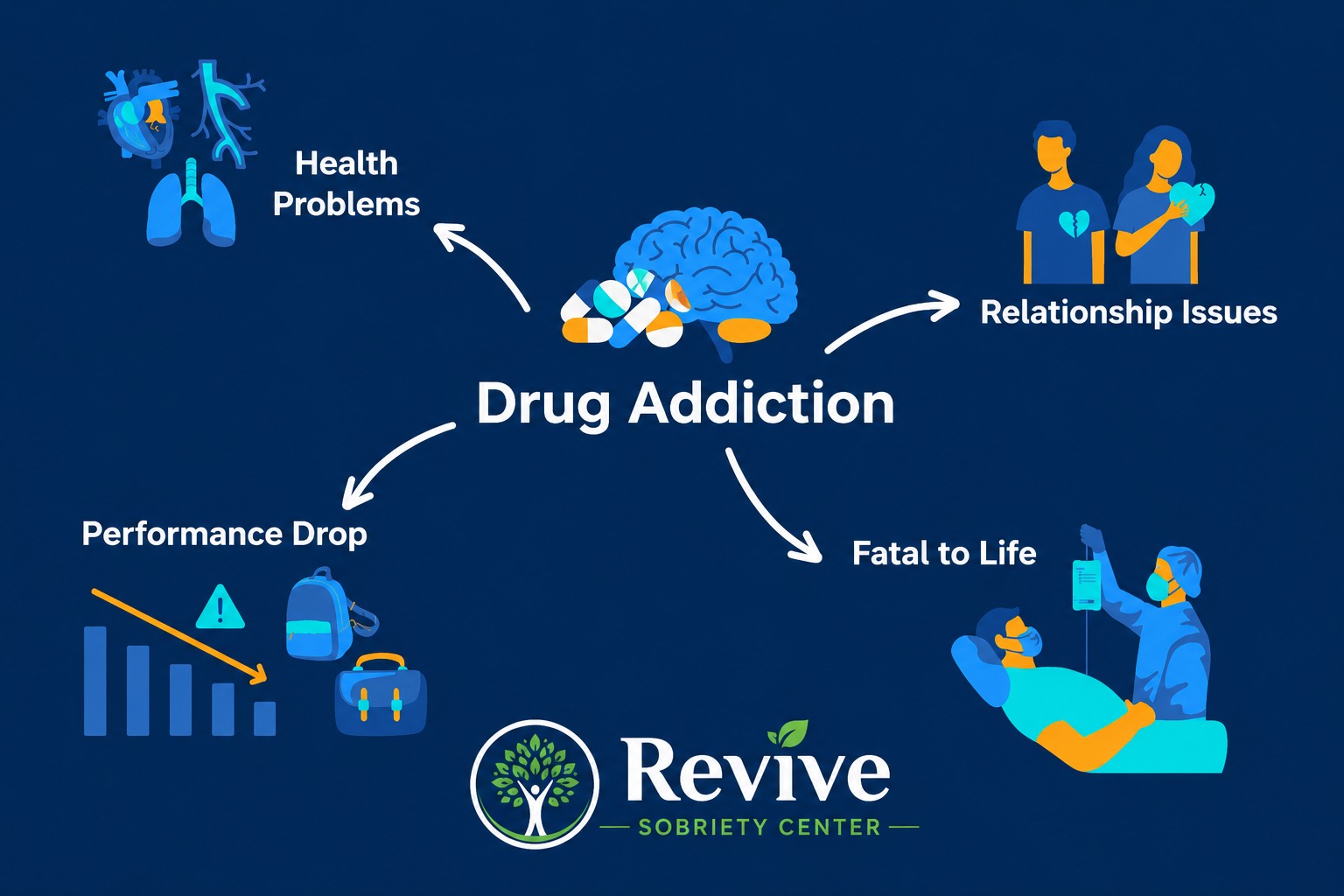
The Importance of Early Intervention
A well-planned intervention can help families communicate their concerns, encourage treatment, and provide a clear path toward recovery. Seeking help early does not mean giving up on a loved one—it means taking proactive steps to protect their health and future.
Addiction is a treatable condition, and recovery is possible with the right support system and professional care.
Frequently Asked Questions
1. How Do I Know My Loved One Needs Addiction Treatment?
Warning signs may include secrecy, financial problems, withdrawal from family activities, mood changes, declining work or academic performance, and continued heroin use despite negative consequences.
2. Are Rehab Centers in Lahore Confidential?
Yes. Reputable addiction treatment centers maintain strict confidentiality and protect the privacy of patients and their families.
3. Can Heroin Addiction Be Treated Without Rehab?
Some individuals benefit from outpatient treatment and counseling, but many heroin users require professional detoxification and rehabilitation to achieve long-term recovery.
4. What Happens During an Addiction Intervention?
A structured intervention involves family members expressing concern, explaining the impact of addiction, and presenting a clear treatment plan designed to encourage the individual to accept help.
Final Thoughts
Families in Pakistan often delay addiction interventions because of stigma, fear of embarrassment, denial, and the hope that the problem will resolve itself. While these concerns are understandable, waiting too long can make recovery more difficult.
If someone you love is struggling with heroin addiction, early intervention can make a life-changing difference. Professional addiction treatment and family support can help individuals begin the journey toward lasting recovery before the consequences become even more severe.
Need professional help for heroin addiction recovery? Contact Revive Sobriety Center to learn more about comprehensive treatment and relapse prevention programs.
The goal is not simply to stop substance use—it is to help individuals rebuild their health, relationships, and future through professional addiction treatment and ongoing support.