
Assist. Prof.
Dr. Muhammad Shoaib Zafar
- Psychiatrist, Addiction Specialist
- M.B.B.S, M.D. (Psychiatry), B.Sc, Addiction Specialist
- 17 Years of Experience
Latest Blog Post
-
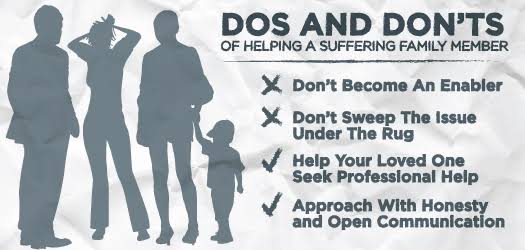 Family Guide to Handling a Loved One with Addiction: Do's and Don'ts15 Jul 2026 Mental Health
 -
 How Families Can Prevent Relapse: A Practical Guide to Supporting Long-Term Recovery15 Jul 2026 Mental Health
 -
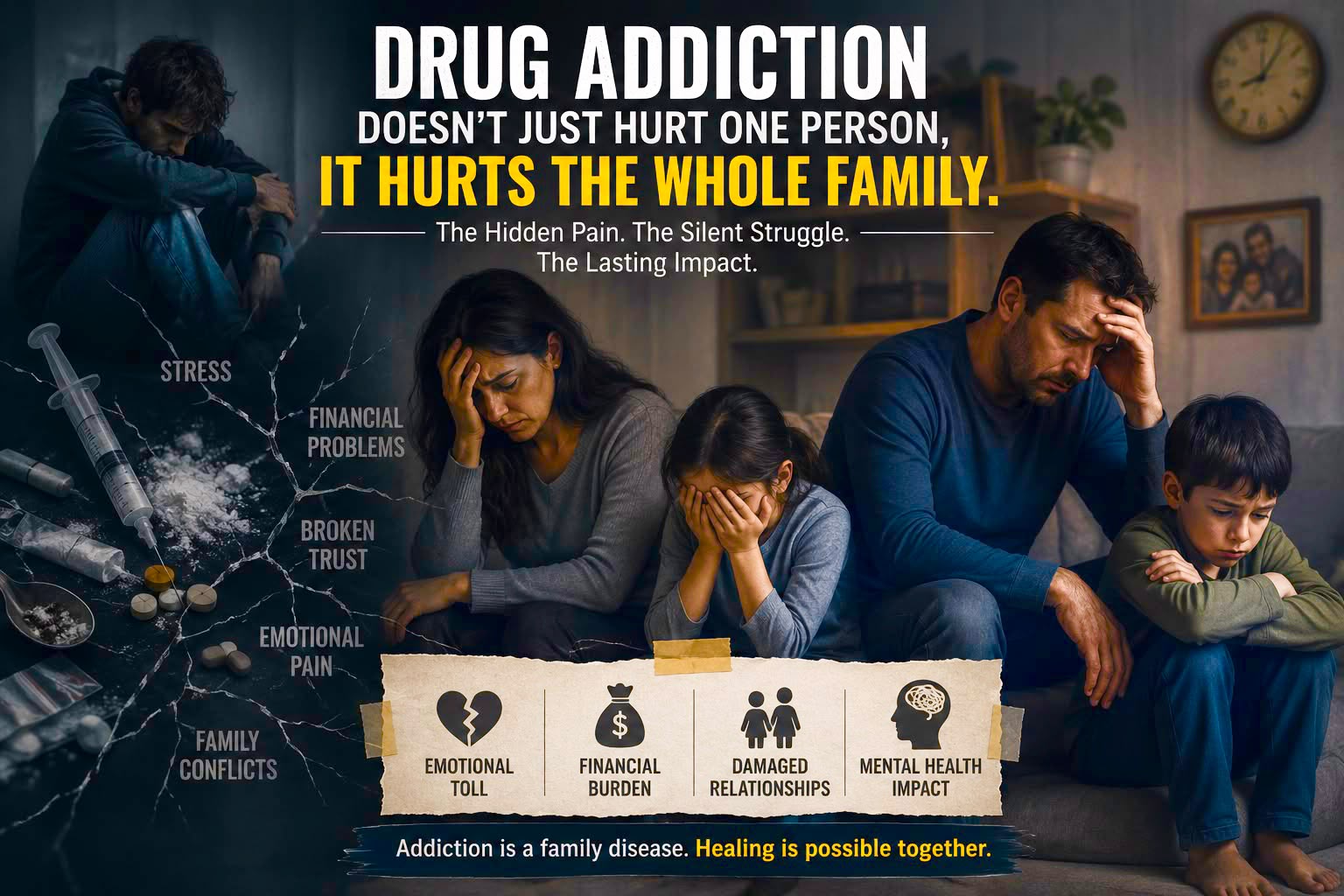 How Drug Addiction Affects Families: The Hidden Pain Behind Substance Abuse15 Jul 2026 Drug Addiction
 -
 Avoid Enabling Behaviors: How Families Can Support Recovery Without Making Addiction Worse15 Jul 2026 Drug Addiction
 -
 Myths and Facts of Addiction: Separating Truth from Misconceptions22 Jun 2026 Drug Addiction
Home » Why Heroin Addicts Relapse
Why Most Heroin Addicts Relapse: Understanding the Real Reasons Behind Recovery Setbacks
- Written By Dr. M.Shoaib Zafar
- Date: 14-06-2026
Recovering from heroin addiction is one of the most difficult challenges a person can face. While many individuals successfully complete detox and treatment programs, relapse remains a common concern. Families often wonder why someone who genuinely wanted to quit heroin returns to drug use after weeks or even months of sobriety.
The truth is that relapse is not a sign of failure. It is often a symptom of an underlying issue that has not yet been fully addressed. Understanding why most heroin addicts relapse can help individuals and families take the right steps toward lasting recovery.
Meaning In Urdu:
ہیروئن کی لت سے نجات حاصل کرنا ایک مشکل سفر ہے، اور علاج مکمل کرنے کے باوجود بعض افراد دوبارہ نشے کی طرف لوٹ سکتے ہیں۔ ریلیپس ناکامی کی علامت نہیں بلکہ اکثر کسی ایسے بنیادی مسئلے کی نشاندہی کرتا ہے جو ابھی مکمل طور پر حل نہیں ہوا، اس لیے مستقل علاج، معاونت اور آگاہی دیرپا بحالی کے لیے ضروری ہیں۔

Assist. Prof. Dr.
Muhammad Shoaib Zafar
- Psychiatrist, Addiction Specialist
- M.B.B.S, M.D.(Psychiatry), Addiction Specialist
- 17 Years of Experience
Table of Contents:
Relapse Is More Common Than Many People Realize
Many families become discouraged when a loved one relapses after treatment. However, addiction specialists recognize relapse as a common part of the recovery journey. Studies have shown that relapse rates for substance use disorders range from 40% to 60%, similar to other chronic illnesses such as diabetes and hypertension. Rather than viewing relapse as failure, it should be seen as a signal that treatment strategies may need adjustment or additional support.
Heroin Changes the Brain
One of the biggest reasons heroin addicts relapse is that heroin physically alters the brain. Long-term heroin use affects the brain’s reward system, making it difficult for recovering individuals to experience pleasure from everyday activities.
Even after detox, the brain may continue to crave the intense effects of heroin. These cravings can appear suddenly and feel overwhelming, especially during stressful situations. Without proper support and coping strategies, many people return to heroin simply to escape the discomfort.
Detox Alone Is Not Enough
Many people believe that completing detox means they are cured. Unfortunately, detox only removes heroin from the body. It does not address the psychological, emotional, and behavioral aspects of addiction.
Individuals who leave treatment after detox without continuing therapy, counseling, or rehabilitation are at a much higher risk of relapse. Long-term recovery requires learning new coping skills and understanding the root causes of addiction.
Triggers Are Everywhere
Recovering heroin addicts often face triggers that remind them of past drug use. These triggers may include:
- Old friends who still use drugs
- Stressful family situations
- Financial problems
- Certain neighborhoods or locations
- Anxiety, depression, or loneliness
When a person encounters these triggers without a relapse prevention plan, the temptation to use heroin can become extremely strong.
Lack of Family Support
Family support plays a critical role in addiction recovery. Unfortunately, many recovering addicts return to environments filled with conflict, criticism, or misunderstanding.
Addiction affects the entire family, and healing often requires everyone to participate in the recovery process. Families who educate themselves about addiction and learn healthy communication techniques can significantly improve a loved one’s chances of long-term sobriety.
Untreated Mental Health Issues
Many heroin addicts struggle with depression, anxiety, trauma, or other mental health conditions. In some cases, heroin use began as an attempt to cope with emotional pain.
If these underlying issues remain untreated, recovery becomes much more difficult. Effective addiction treatment should address both substance abuse and mental health concerns through professional counseling and therapy.
Overconfidence in Early Recovery
Another common cause of relapse is overconfidence. After several weeks or months of sobriety, some individuals believe they no longer need treatment, support groups, or counseling.
Recovery is an ongoing process. Continuing therapy, attending support meetings, and maintaining healthy routines are essential for preventing relapse. Those who stop participating in recovery activities often become vulnerable to cravings and old behaviors.
How Relapse Can Be Prevented
Although relapse is common, it is not inevitable. Long-term recovery becomes much more achievable when individuals:
- Complete a structured rehabilitation program
- Participate in ongoing counseling
- Build a strong support network
- Avoid high-risk situations
- Develop healthy coping skills
- Address underlying mental health conditions
- Follow a personalized relapse prevention plan
The most successful recovery journeys involve continuous support and commitment rather than relying on willpower alone.

Frequently Asked Questions:
1. How Many Times Do Heroin Addicts Relapse Before Recovery?
There is no set number of times a person may relapse before achieving long-term recovery. Some individuals maintain sobriety after their first treatment program, while others may experience multiple relapses. Addiction specialists view relapse as a possible part of the recovery process rather than proof that treatment has failed. Each relapse can provide valuable insight into triggers, coping challenges, and areas where additional support may be needed.
2. What Are the First Signs of Relapse?
Relapse often begins long before a person uses heroin again. Early warning signs may include isolating from family and friends, skipping therapy sessions, increased stress, mood changes, cravings, romanticizing past drug use, and reconnecting with people associated with substance abuse. Recognizing these signs early can help prevent a return to heroin use and allow for timely intervention.
3. Can Relapse Be Prevented Completely?
While no treatment can guarantee that relapse will never occur, the risk can be significantly reduced through professional addiction treatment, ongoing counseling, family support, support groups, and a personalized relapse prevention plan. Individuals who remain actively engaged in their recovery process generally have better long-term outcomes than those who attempt recovery alone.
4. Should Someone Return to Rehab After Relapse?
In many cases, returning to rehab after a relapse can be beneficial. A relapse may indicate that underlying issues such as stress, trauma, mental health concerns, or environmental triggers require additional attention. Addiction professionals can assess the situation and recommend the most appropriate level of care, which may include detoxification, residential treatment, outpatient therapy, or ongoing counseling.
5. Can Heroin Addiction Be Cured Permanently?
While heroin addiction can be successfully managed and long-term recovery is achievable, addiction is generally considered a chronic condition. Ongoing treatment, healthy lifestyle changes, and relapse prevention strategies can help individuals maintain sobriety for many years.
Final Thoughts
In Lahore and other major cities of Pakistan, heroin remains one of the most commonly abused substances. Delaying treatment often increases the risk of overdose, health complications, financial problems, and family conflict. Seeking professional help as early as possible can improve recovery outcomes and reduce the likelihood of relapse.
Most heroin addicts relapse because addiction is a complex disease that affects the brain, emotions, relationships, and behavior. Relapse does not mean treatment has failed. Instead, it often indicates that additional support and recovery strategies are needed.
With professional treatment, family involvement, and ongoing care, lasting recovery is possible. If you or someone you love is struggling with heroin addiction, seeking help today can be the first step toward a healthier and drug-free future.
Need professional help for heroin addiction recovery? Contact Revive Sobriety Center to learn more about comprehensive treatment and relapse prevention programs.
The goal is not simply to stop substance use—it is to help individuals rebuild their health, relationships, and future through professional addiction treatment and ongoing support.
 Revive Sobriety Center – Addiction Recovery, Detoxification & Rehabilitation (Lahore)
 127 Google reviewsPosted on Google
 safa ijaz25. August, 2026Great experience.Posted on Google
 hira ijaz23. August, 2026Had a wonderful time at the “Meet Yourself”workshop today facilitated by the very multitalented Hamza, from Ables Mind cafe along with one of the incredible doctors in Lahore Dr Ejaz Hussain at Revive Sobriety Centre Lahore. Such a therapeutic & creative experience it was to get to know our actual emotions in a serene environment, along with likeminded people. ❤️❤️❤️Posted on Google
 Dr Ejaz23. August, 2026Got chance to moderate a workshop on "Meet yourself" at revive sobriety centre with Hamza Khan sherwani, today it was wonderful experience..Posted on Google
 Shazil Saleem23. August, 2026My first-time experience was excellent, and I felt very good mentally.Posted on Google
 Waseem Ali23. August, 2026Highly RecommendedPosted on Google
 Ghazala Malik23. August, 2026Happened to attend a workshop by Enable mind cafe and it came out to be a good learning event. Started with activities and ended with a delicious coffee by Hamza made specially for the attendies and a token plant by Revive. Loved the workshop. Thank you Dr.Ijaz, Hamza and team.