
Assist. Prof.
Dr. Muhammad Shoaib Zafar
- Psychiatrist, Addiction Specialist
- M.B.B.S, M.D. (Psychiatry), B.Sc, Addiction Specialist
- 17 Years of Experience
Latest Blog Post
-
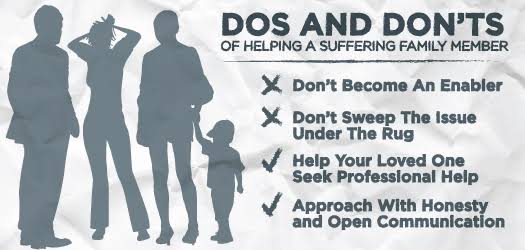 Family Guide to Handling a Loved One with Addiction: Do's and Don'ts15 Jul 2026 Mental Health
 -
 How Families Can Prevent Relapse: A Practical Guide to Supporting Long-Term Recovery15 Jul 2026 Mental Health
 -
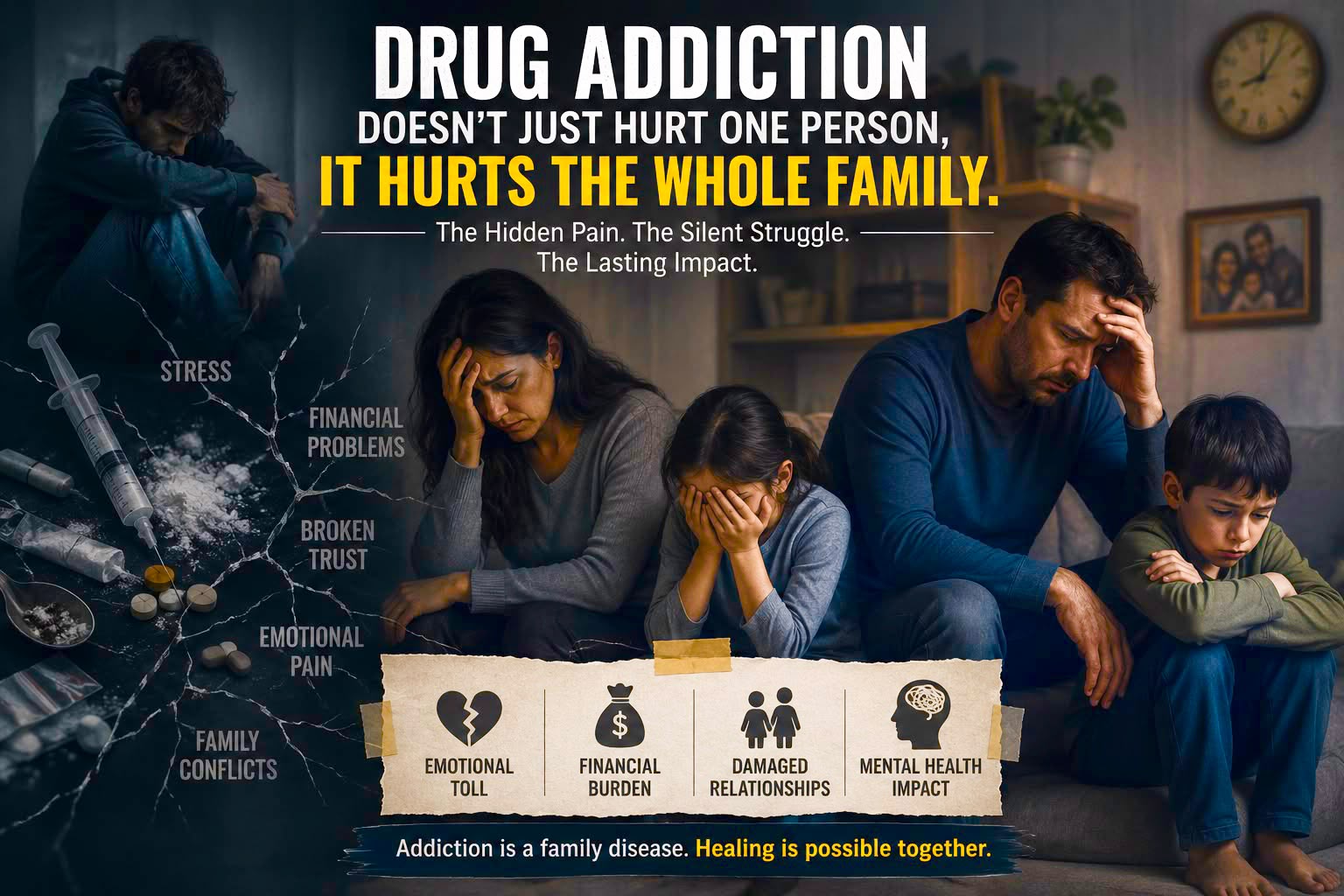 How Drug Addiction Affects Families: The Hidden Pain Behind Substance Abuse15 Jul 2026 Drug Addiction
 -
 Avoid Enabling Behaviors: How Families Can Support Recovery Without Making Addiction Worse15 Jul 2026 Drug Addiction
 -
 Myths and Facts of Addiction: Separating Truth from Misconceptions22 Jun 2026 Drug Addiction
Home » How Long Does Heroin Recovery Take?
How Long Does Heroin Recovery Take? A Lahore Addiction Specialist Explains
- Written By Dr. M.Shoaib Zafar
- Date: 14-06-2026
When a person struggles with heroin addiction, one of the first questions families ask is, “How long will recovery take?” The truth is that heroin recovery is not a single event but a process that unfolds over time. While every individual is different, understanding the recovery timeline can help families set realistic expectations and stay committed to the healing journey.
Most people begin heroin recovery with detox, which can last for 7 to 10 days (longer in a certain number of patients). Early recovery usually takes 1–3 months, while long-term recovery can take 6–12 months or longer depending on addiction severity, treatment participation, and family support.
Meaning In Urdu:
ہیروئن کی لت سے بحالی ایک مرحلہ وار عمل ہے، جس میں ابتدا ڈیٹوکس سے ہوتی ہے جو عموماً 7 سے 10 دن لیتا ہے۔ ابتدائی بحالی 1 سے 3 ماہ جبکہ مکمل اور طویل بحالی 6 سے 12 ماہ یا اس سے زیادہ وقت لے سکتی ہے، جو مریض کی حالت، علاج اور خاندانی تعاون پر منحصر ہے۔

Assist. Prof. Dr.
Muhammad Shoaib Zafar
- Psychiatrist, Addiction Specialist
- M.B.B.S, M.D.(Psychiatry), Addiction Specialist
- 17 Years of Experience
Table of Contents:
The First Stage: Detoxification
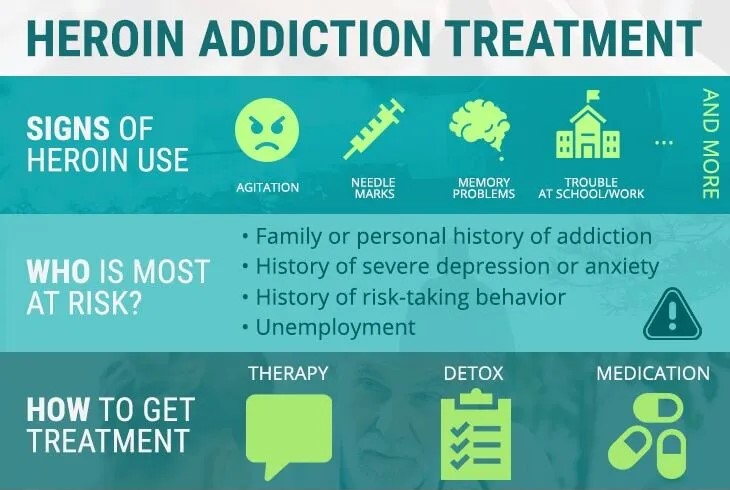
The recovery process usually begins with detox. Most people start experiencing heroin withdrawal symptoms within 6 to 12 hours after their last dose. Common symptoms include anxiety, muscle aches, sweating, nausea, insomnia, and intense drug cravings.
The most severe withdrawal symptoms often occur within the first 72 hours. For most individuals, the acute detox phase lasts between 7 and 10 days. During this period, professional medical supervision can significantly improve comfort and safety.
The Second Stage: Early Recovery
Completing detox does not mean addiction has been overcome. After the body is free from heroin, individuals enter the early recovery phase. This stage typically lasts from one to three months and focuses on addressing the psychological aspects of addiction.
During early recovery, many people continue to experience mood swings, anxiety, depression, and cravings. Counseling, therapy, and structured treatment programs help individuals develop healthy coping mechanisms and prevent relapse.
The Third Stage: Long-Term Recovery
Long-term recovery is an ongoing commitment. Research shows that the risk of relapse decreases significantly when individuals remain engaged in treatment and recovery activities for at least six to twelve months.
Family counseling and education are an integral part of the recovery program. Families also benefit from learning about heroin withdrawal symptoms, relapse prevention strategies, and the advantages of professional addiction treatment programs.
This phase often includes continued therapy, support groups, family counseling, lifestyle changes, and relapse prevention planning. Many people find that maintaining recovery becomes easier as they build healthier relationships, routines, and goals.
Factors That Affect Recovery Time
Several factors influence how long heroin recovery takes, including:
- Length of heroin use
- Frequency and amount of use
- Physical and mental health conditions
- Family support system
- Participation in professional treatment
Because every person’s situation is unique, recovery timelines can vary considerably.
Research suggests that individuals who remain engaged in structured residential or indoor treatment for at least three months generally achieve better longer term recovery outcomes than those who leave treatment prematurely. Evidence suggests that when residential treatment is clinically indicated, programs lasting less than three months may be less effective than longer-term treatment approaches.
Frequently Asked Questions:
1. How long does heroin withdrawal last?
Most physical withdrawal symptoms begin within 6–12 hours of the last dose, peak during the first 72 hours, and usually improve within 7–10 days.
2. Can heroin addiction be treated without rehab?
Some people attempt recovery at home, but professional treatment significantly improves the chances of long-term recovery and reduces relapse risk.
3. What is the hardest stage of heroin recovery?
Many people find the first few weeks after detox most challenging because cravings, mood changes, and emotional triggers are still present.
4. How long should someone stay in rehab for heroin addiction?
Treatment length varies, but research consistently shows that longer engagement in treatment leads to better recovery outcomes.
5. Can a person fully recover from heroin addiction?
Yes. Thousands of people achieve long-term recovery through detox, counseling, relapse prevention, family support, and ongoing treatment.
6. What are the signs that heroin treatment is working?
Improved physical health, reduced cravings, better emotional stability, healthier relationships, and consistent participation in recovery activities are positive signs.
7. Is heroin detox painful?
Many people experience discomfort during heroin detox, including muscle aches, anxiety, insomnia, and cravings. Professional medical supervision can help manage symptoms and improve comfort.
8. What happens after heroin detox?
After detox, individuals typically participate in counseling, therapy, relapse prevention planning, and recovery support programs to address the psychological aspects of addiction.
9. Can heroin cravings continue after detox?
Yes. While physical withdrawal usually improves within days, psychological cravings may continue for weeks or months. Ongoing counseling and recovery support can help individuals manage these cravings effectively.
10. How can families support someone recovering from heroin addiction?
Families can support recovery by encouraging treatment participation, attending family counseling sessions, maintaining healthy boundaries, and creating a supportive home environment.
Recovery Is Possible
Although heroin addiction can feel overwhelming, recovery is achievable with the right support and treatment. The most important step is seeking help as early as possible. Whether recovery takes months or years, every day free from heroin is a step toward a healthier and more fulfilling life.
If you or a loved one is struggling with heroin addiction, professional treatment in Lahore can provide the guidance, support, and tools needed to achieve lasting recovery.
 Revive Sobriety Center – Addiction Recovery, Detoxification & Rehabilitation (Lahore)
 127 Google reviewsPosted on Google
 safa ijaz25. August, 2026Great experience.Posted on Google
 hira ijaz23. August, 2026Had a wonderful time at the “Meet Yourself”workshop today facilitated by the very multitalented Hamza, from Ables Mind cafe along with one of the incredible doctors in Lahore Dr Ejaz Hussain at Revive Sobriety Centre Lahore. Such a therapeutic & creative experience it was to get to know our actual emotions in a serene environment, along with likeminded people. ❤️❤️❤️Posted on Google
 Dr Ejaz23. August, 2026Got chance to moderate a workshop on "Meet yourself" at revive sobriety centre with Hamza Khan sherwani, today it was wonderful experience..Posted on Google
 Shazil Saleem23. August, 2026My first-time experience was excellent, and I felt very good mentally.Posted on Google
 Waseem Ali23. August, 2026Highly RecommendedPosted on Google
 Ghazala Malik23. August, 2026Happened to attend a workshop by Enable mind cafe and it came out to be a good learning event. Started with activities and ended with a delicious coffee by Hamza made specially for the attendies and a token plant by Revive. Loved the workshop. Thank you Dr.Ijaz, Hamza and team.