
Ms. Shanzey Nadeem
- Child Psychologist, Clinical Psychologist
- B.S(Hon), MS(Clinical Psychology)
- 2 Years of Experience
Latest Blog Post
-
 Family Guide to Handling a Loved One with Addiction: Do's and Don'ts15 Jul 2026 Mental Health
 -
 How Families Can Prevent Relapse: A Practical Guide to Supporting Long-Term Recovery15 Jul 2026 Mental Health
 -
 How Drug Addiction Affects Families: The Hidden Pain Behind Substance Abuse15 Jul 2026 Drug Addiction
 -
 Avoid Enabling Behaviors: How Families Can Support Recovery Without Making Addiction Worse15 Jul 2026 Drug Addiction
 -
 Myths and Facts of Addiction: Separating Truth from Misconceptions22 Jun 2026 Drug Addiction
Home » Restoring Emotional Balance & Mental Well-Being
Overcoming Burnout: Restoring Emotional Balance & Mental
Well-Being in Lahore
- Written By Shanzey Nadeem
- Date: 16-04-2026
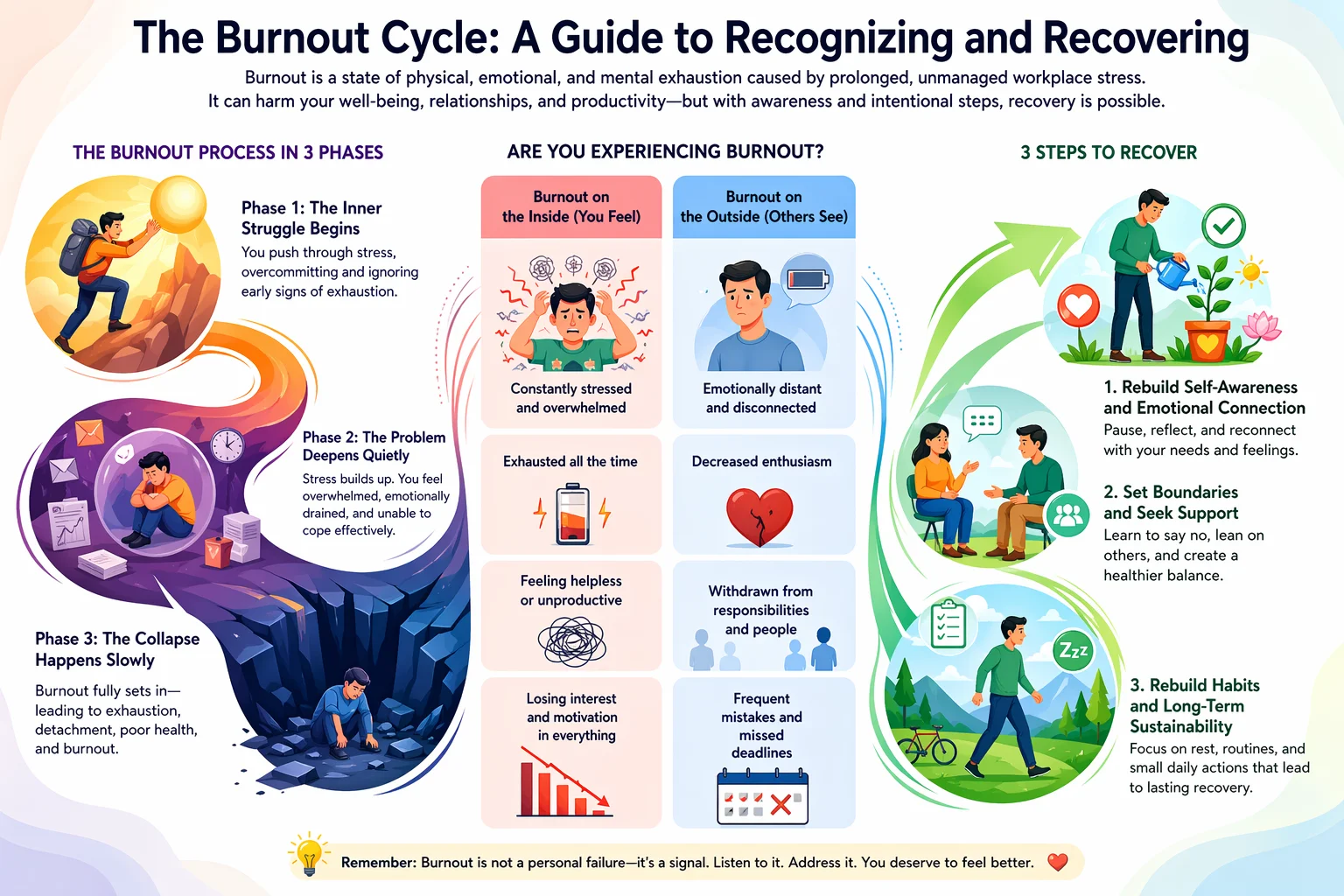
Burnout is a state of emotional, mental, and physical exhaustion that develops due to prolonged and unmanaged stress. It commonly affects individuals who experience continuous professional or personal pressure without adequate rest, emotional support, or healthy coping mechanisms.
Burnout not only reduces productivity and motivation but also significantly impacts overall mental health. If left untreated, it may lead to serious psychological concerns such as anxiety, depression, emotional detachment, and chronic stress-related conditions.
In today’s fast-paced environment, many individuals struggle to balance responsibilities, expectations, and personal needs. This imbalance gradually drains emotional energy, leaving individuals feeling overwhelmed, disconnected, and unable to function effectively. Understanding burnout and learning how to overcome it is essential for maintaining long-term psychological well-being.
Meaning In Urdu:
برن آؤٹ ایک ایسی حالت ہے جس میں مسلسل اور غیر منظم دباؤ کے باعث انسان ذہنی، جذباتی اور جسمانی طور پر شدید تھکن کا شکار ہو جاتا ہے، جس سے کارکردگی اور موٹیویشن متاثر ہوتی ہے۔
اگر اس کا علاج نہ کیا جائے تو یہ بے چینی، ڈپریشن اور جذباتی لاتعلقی کا سبب بن سکتا ہے، اس لیے ذہنی توازن برقرار رکھنے کے لیے اسے سمجھنا اور سنبھالنا ضروری ہے۔
Ms. Shanzey Nadeem
- Child Psychologist, Clinical Psychologist
- B.S(Hon), MS(Clinical Psychology)
- 2 Years of Experience
Table of Contents:
- Signs and Symptoms of Burnout
- Causes and Contributing Factors
- Psychological Impact of Burnout
- Professional Support for Burnout Recovery in Lahore
- When to Seek Help
- Strategies for Overcoming Burnout
- Prioritize Self-Care
- Set Healthy Boundaries
- Practice Stress-Reduction Techniques
- Seek Emotional Support
- Consider Psychotherapy
- Final Thoughts
Signs and Symptoms of Burnout
- Low motivation
- Difficulty concentrating
- Irritability and frustration
- Feelings of helplessness
- Disturbed sleep patterns
- Persistent fatigue
- Reduced emotional energy
Causes and Contributing Factors
- Excessive workload
- Unrealistic expectations
- Lack of control over responsibilities
- Continuous emotional stress
- Poor work–life balance
- Neglect of personal needs and self-care
- Limited social support
- Emotional isolation
- Difficulty expressing emotions
Psychological Impact of Burnout
- Reduce self-confidence
- Impair decision-making abilities
- Negatively affect interpersonal relationships
- Increase vulnerability to anxiety disorders
- Contribute to depressive symptoms
- Lead to chronic stress-related health conditions
Professional Support for Burnout Recovery in Lahore
- Highly qualified Clinical Psychologists
- Individualized treatment plans
- Evidence-based therapeutic approaches
- Confidential and compassionate care
- Outpatient and structured inpatient options
- Integrated mental health and stress management programs
When to Seek Help
- Emotional exhaustion persists for weeks
- Sleep and appetite remain disturbed
- Motivation continues to decline
- Anxiety or depressive symptoms appear
- Relationships or work performance are affected
Strategies for Overcoming Burnout
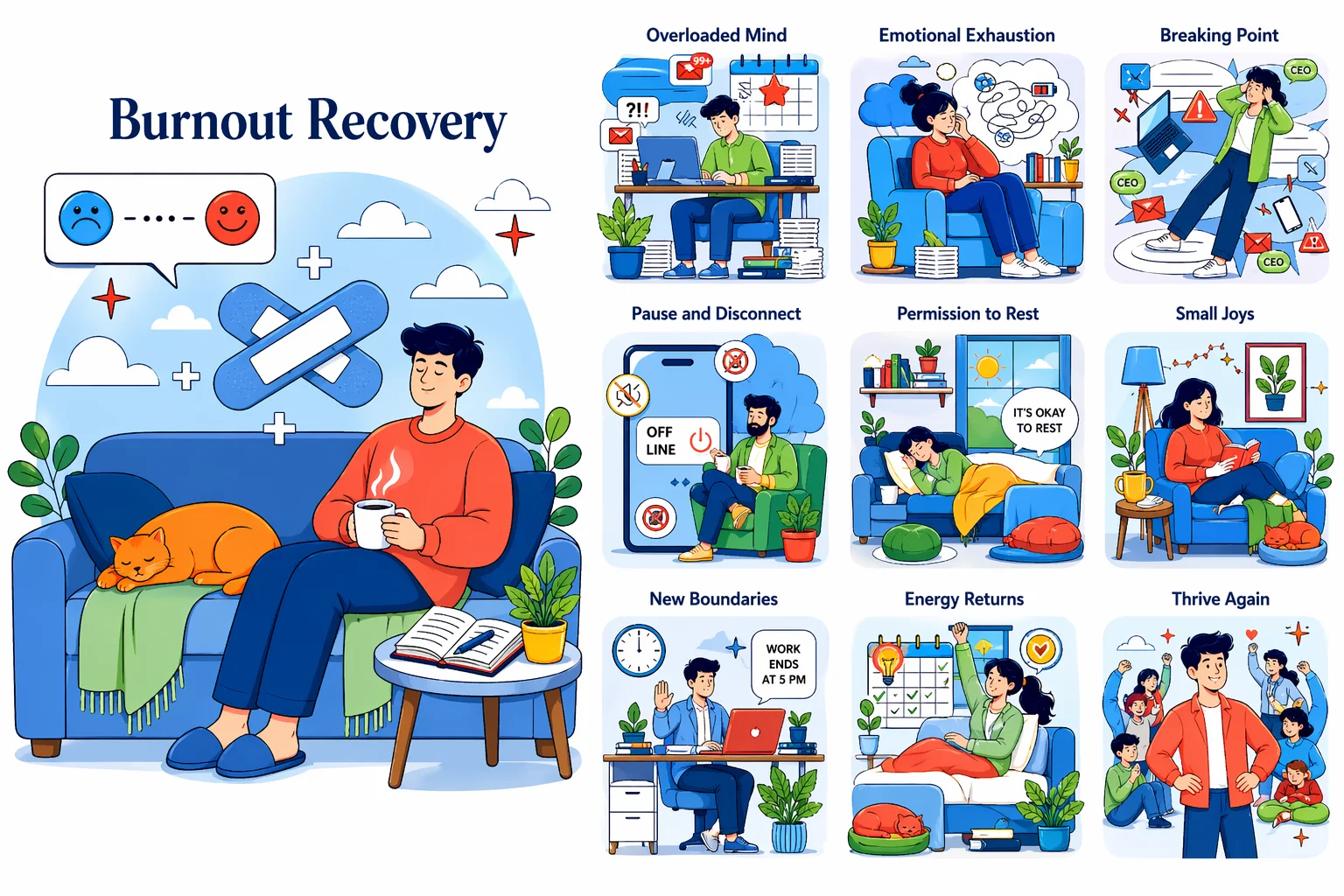
Recovery from burnout requires intentional efforts to restore emotional balance and improve coping capacity.
- Prioritize Self-Care
- Set Healthy Boundaries
- Practice Stress-Reduction Techniques
- Seek Emotional Support
- Consider Psychotherapy
1. Prioritize Self-Care
Adequate sleep, balanced nutrition, and regular physical activity improve emotional resilience and restore physical energy.
2. Set Healthy Boundaries
Learn to manage workload, delegate responsibilities where possible, and allow time for rest and recovery. Realistic expectations protect long-term mental health.
3. Practice Stress-Reduction Techniques
Deep breathing, mindfulness, and meditation help regulate emotions and reduce physiological stress responses.
4. Seek Emotional Support
Talking to trusted family members, friends, or mental health professionals allows individuals to process emotional stress and gain perspective.
5. Consider Psychotherapy
Therapeutic interventions help individuals identify stressors, develop emotional awareness, and build sustainable coping strategies. Professional therapy is particularly effective in preventing relapse into chronic burnout.
Final Thoughts
Burnout is increasingly common in modern life, particularly in high-pressure environments. However, it is treatable. With appropriate self-care, healthy boundaries, emotional awareness, and professional support, individuals can regain balance and rebuild resilience.
Mental health is not a luxury — it is a necessity for sustainable success and well-being.
 Revive Sobriety Center – Addiction Recovery, Detoxification & Rehabilitation (Lahore)
 127 Google reviewsPosted on Google
 safa ijaz25. August, 2026Great experience.Posted on Google
 hira ijaz23. August, 2026Had a wonderful time at the “Meet Yourself”workshop today facilitated by the very multitalented Hamza, from Ables Mind cafe along with one of the incredible doctors in Lahore Dr Ejaz Hussain at Revive Sobriety Centre Lahore. Such a therapeutic & creative experience it was to get to know our actual emotions in a serene environment, along with likeminded people. ❤️❤️❤️Posted on Google
 Dr Ejaz23. August, 2026Got chance to moderate a workshop on "Meet yourself" at revive sobriety centre with Hamza Khan sherwani, today it was wonderful experience..Posted on Google
 Shazil Saleem23. August, 2026My first-time experience was excellent, and I felt very good mentally.Posted on Google
 Waseem Ali23. August, 2026Highly RecommendedPosted on Google
 Ghazala Malik23. August, 2026Happened to attend a workshop by Enable mind cafe and it came out to be a good learning event. Started with activities and ended with a delicious coffee by Hamza made specially for the attendies and a token plant by Revive. Loved the workshop. Thank you Dr.Ijaz, Hamza and team.